


Beating the odds: How Singapore’s governance transformed its destiny
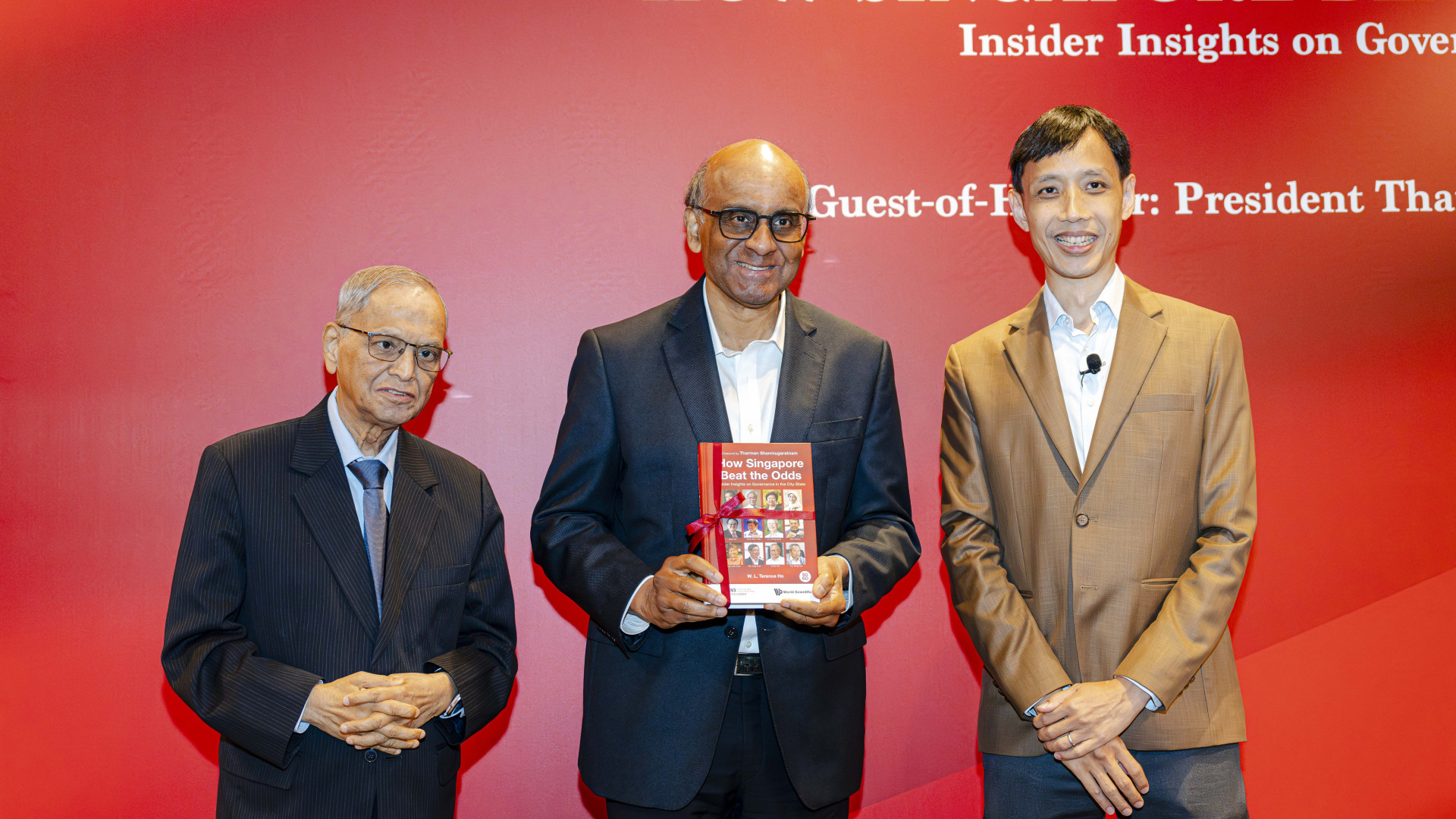
Days before Singapore celebrated its 60th year of independence, a new book was added to the canon of literature on the city-state’s improbable growth and survival – this time, through the eyes of public sector leaders who had a hand in its transformation.
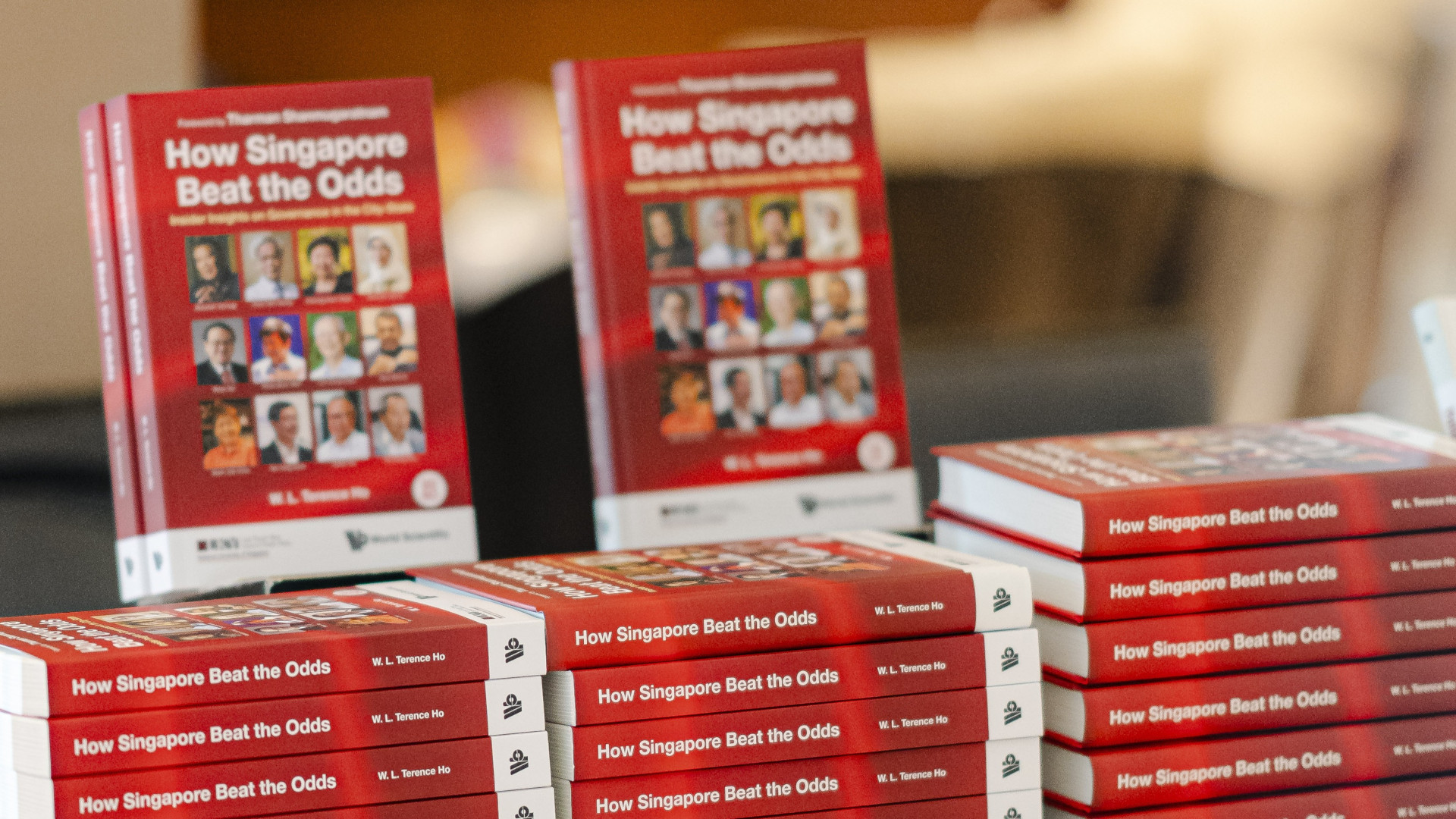
Launched on 6 August 2025, How Singapore Beat the Odds: Insider Insights on Governance in the City-State by Terence Ho, Adjunct Associate Professor (Practice) at the Lee Kuan Yew School of Public Policy (LKYSPP), features in-depth interviews with 12 political and public sector leaders on the challenges faced, chances taken and decisions made that shaped Singapore into what it is today, as well as their perspectives on the journey and views on Singapore’s future.
Assoc Prof Ho is a frequent commentator on economic, fiscal, workforce and social policy issues, as well as skills and lifelong learning. As an adjunct faculty member of LKYSPP, he teaches in executive programmes covering various areas of public sector governance.
The foreword was written by Mr Tharman Shanmugaratnam, President of the Republic of Singapore, and the distinguished interviewees include former Singapore President Mdm Halimah Yacob; Ms Seah Jiak Choo, former Director-General of Education; Mr Peter Ho, former Chairman of the Urban Redevelopment Authority (URA); and Mr Ravi Menon, former Managing Director of the Monetary Authority of Singapore.
The project was mooted and sponsored by Mr Narayana Murthy, founder and Chairman Emeritus of technology provider Infosys and a long-time admirer of Singapore. He believed that such a book of insights into Singapore’s public governance would inspire and guide leaders of developing nations to drive similar transformations of their own.
“The success of Singapore lies not in any magic, but in a successful method,” said Mr Murthy at the launch event. “Singapore demonstrates that good public governance is a possible, practical, valuable and powerful strategy. To Singapore and to the visionaries who made it what it is today, I say ‘Thank you’ for lifting the standard, showing the way and reminding the world that public governance done right can transform the destiny of a nation.”
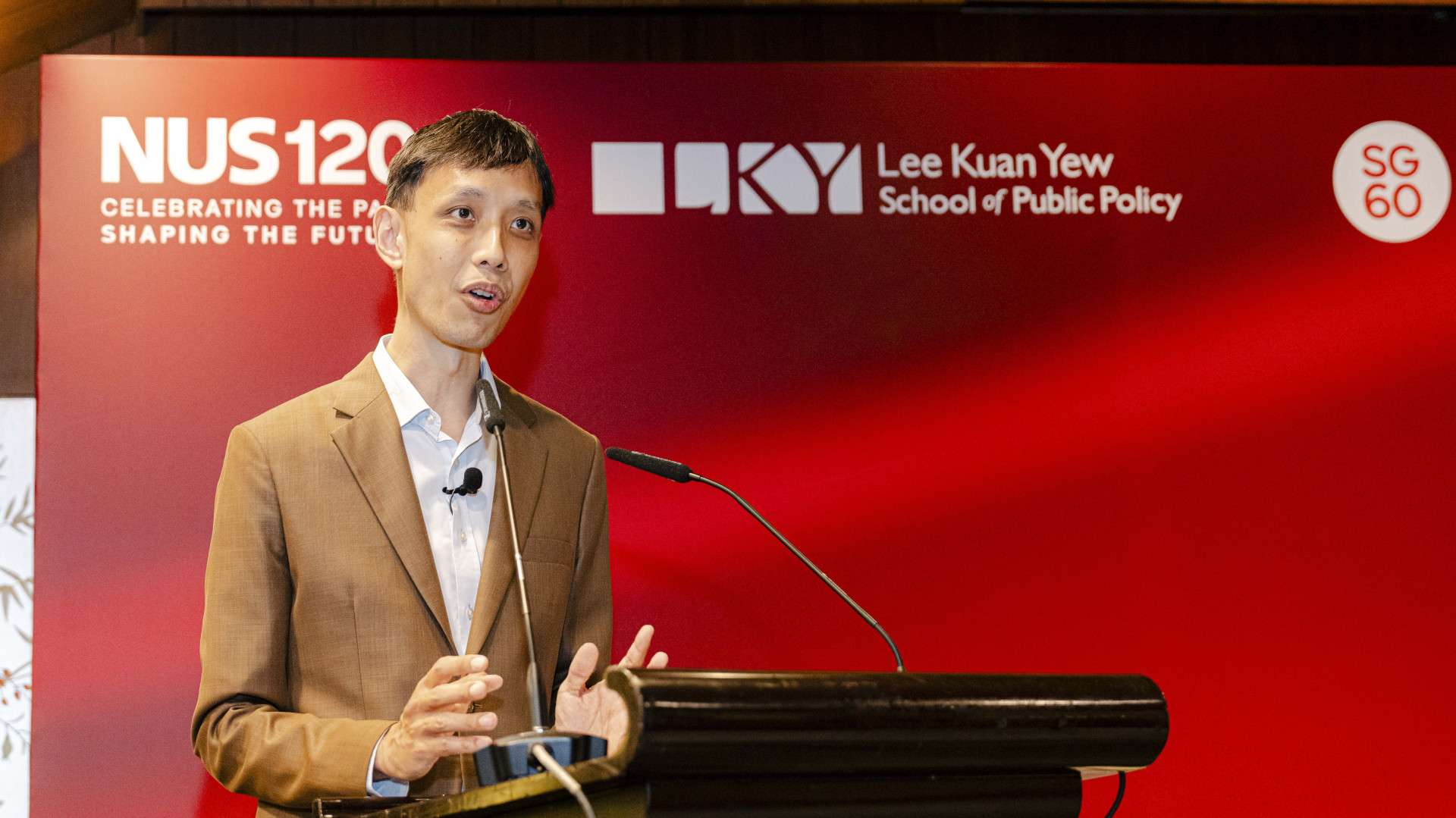
Noting the unplanned coincidence of the book’s launch with the nation’s diamond jubilee, Assoc Prof Ho highlighted that the themes explored in the book were not just critical in Singapore’s early development but remain relevant for its next 60 years. “While the book aims to inspire other countries, I hope that Singaporeans too will draw inspiration from the values and the pioneering spirit of our veteran leaders as we collectively continue to write the next chapter of the Singapore story.”
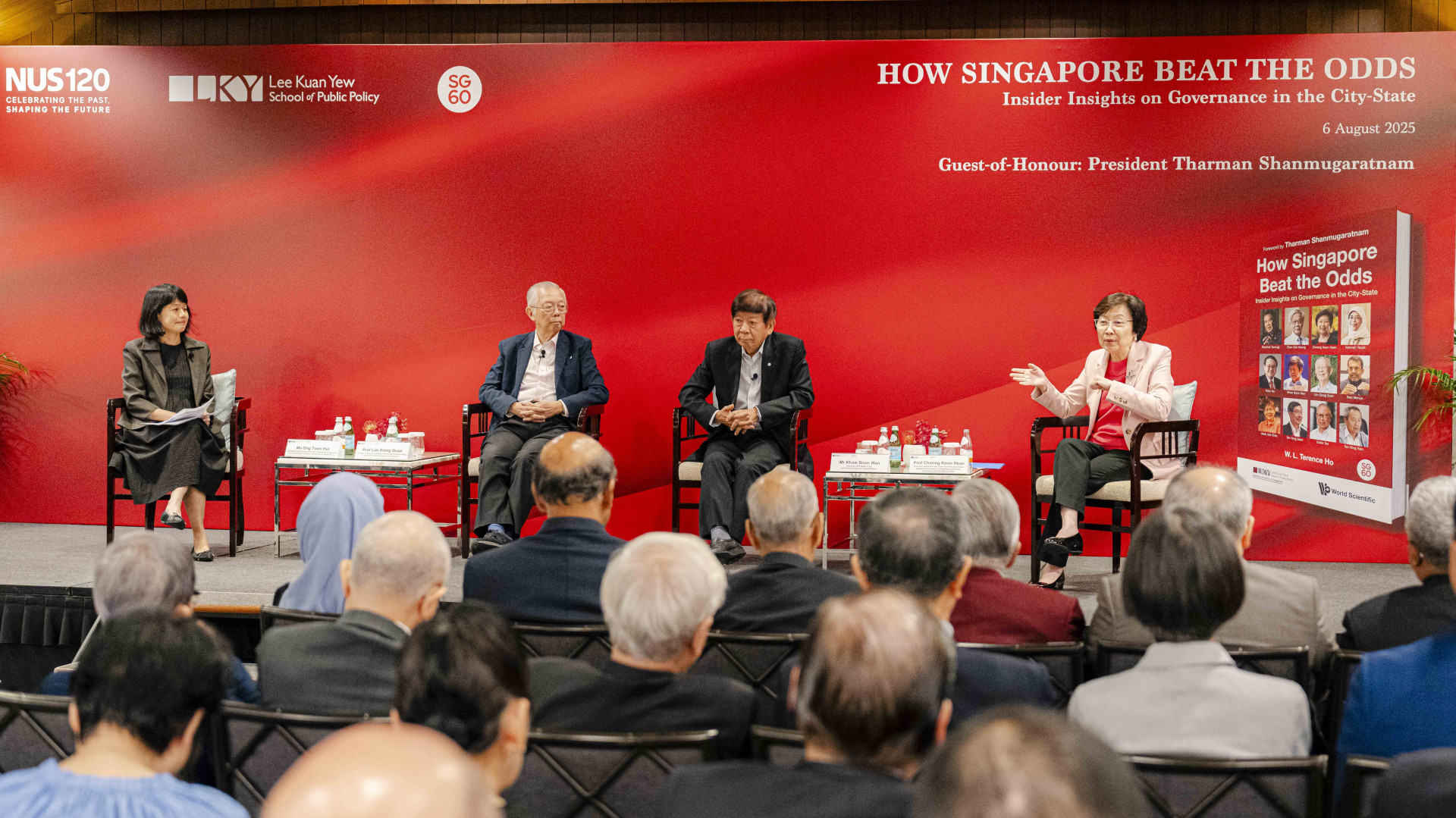
The book launch at the Capitol Kempinski Hotel Singapore was attended by President Tharman as Guest of Honour and more than 120 guests, including several of the book’s interviewees. During the event, three leaders featured in the book delivered speeches on the aspects of governance where they made significant contributions: Professor Lim Siong Guan, former Head of Civil Service, on fiscal management; Mr Khaw Boon Wan, former Singapore Cabinet Minister, on healthcare; and Professor Cheong Koon Hean, former CEO of URA and the Housing Development Board, on urban planning.
Priorities to not just survive, but thrive
The idea that no one owes Singapore its survival was a driving force for many early governance decisions, said Prof Lim, who is also Distinguished Practitioner Fellow at LKYSPP and was recently honoured as an Emeritus Professor by NUS for his noteworthy contributions to Singapore’s civil service.
In his speech, Prof Lim shared the government’s top spending priorities for nation-building: defence, industrialisation, home ownership, education and health. While principles of fiscal prudence were established from the start, the government recognised the need to enhance its revenue streams and created the sovereign wealth fund GIC and the reserves policy to generate investment returns and allocate them between current and future needs.
Prof Lim described Singapore’s approach thus: “If you want to spend more, you need to be able to earn more at the same time. Be fair; give access to the current generation to a reasonable or fair part of the investment returns, while at the same time making sure that you keep up the capital reserves for whatever may be the unexpected demands of the rainy days.”
Solving the issue of sustainable financing for the healthcare system was Mr Khaw’s task as Health Minister from 2004 to 2011. Balancing the two dimensions of healthcare, financing and delivery, is especially challenging because “in healthcare, demand is potentially unlimited, but supply is not,” and poor patients suffer the most when demand outstrips supply, said the current chairman of SPH Media Trust.
The solution lay in a mixed approach for both dimensions. Instead of relying on taxation or insurance for funding, Singapore employs a multi-layered model that includes patient co-payment to prevent overconsumption while keeping healthcare affordable. Similarly, healthcare services are delivered by a mix of public, private and charitable providers, which offers patients more choices and responds better to the diverse needs of an ageing population.
As Singapore evolves into a “super aged” society, the healthcare system must focus more on long-term chronic care, building on the pillars of preventative healthcare, primary healthcare by family physicians and a healthcare system that is integrated with the community to provide holistic care, said Mr Khaw.
He spotlighted the crucial role of caregivers, saying: “When a cure is no longer available, what patients value most is care, and the highest form of care is underpinned by love and compassion, often by the patient’s family. Society has a strong interest, indeed a strong duty, to support caregivers adequately.”
A combination of aspirations, innovation, and good urban governance enabled Singapore to turn the constraints that threatened its survival into catalysts for success, said Prof Cheong, Practice Professor at Singapore University of Technology and Design and Chairman of the Lee Kuan Yew Centre for Innovative Cities.
For example, water insecurity drove investments in water recycling and water catchments, and the scarcity of land forced planners to reclaim land, create underground spaces and plan vertically.
“The starting point is to embed a culture of foresight in the way our policies are formulated. The city did not wait for problems to become crises,” she said, adding that a whole-of-government approach and collaboration with the private sector, non-profits and citizens were key in creating solutions that balance economic competitiveness and quality of life.
Considering principles in context
The event concluded with a brief panel discussion moderated by Ms Ong Toon Hui, Vice Dean and Executive Director, Institute for Governance and Leadership at LKYSPP, in which the three speakers shared their thoughts on how the book’s insights into Singapore’s experience could be made relevant to other countries.
Prof Lim and Mr Khaw emphasised the importance of understanding the principles behind the decisions and translating those into actions that fit the context of each country, and Prof Cheong provided additional insights from her experience researching cities for 20 years and working on the Lee Kuan Yew World City Prize.
She cited long-term planning, good urban governance, strong leadership, institutionalised processes, and competent people as common traits of the award-winning cities, some of which have been integrated into the prize assessment criteria.
“The cities that have won the prize all exhibit very similar principles to us – maybe not so much in the details – but these are very high-level principles that I feel are applicable to most cities,” she said, reminding the audience that even as others look to Singapore for lessons in governance, there is much that Singapore can learn from other cities in return.
