


Small countries, big impact: Global health leaders discuss Singapore’s role in shaping international health solutions

Global health leaders from around the world gathered at NUS for the inaugural Global Health Thought Leadership Dialogue, a landmark event that explored how small nations can wield outsized influence in shaping global health policies. The dialogue, co-hosted by the NUS Global Health Office and Saw Swee Hock School of Public Health, brought together experts to discuss the future of global health governance, multilateralism, and how countries like Singapore can punch above their weight in contributing to international health solutions.
The event featured an esteemed panel of speakers, including Professor Ilona Kickbusch, Founder of the Global Health Centre at the Geneva Graduate Institute, Global Health Advisor to the German Chancellor and the European Union President, as well as senior advisor to the United Nations on Global Health; Dr Margaret Chan, founding Dean of Tsinghua University’s Vanke School of Public Health and Emeritus Director-General of the World Health Organization (WHO); Dr Suwit Wibulpolprasert, Global Health Advisor to the Thai Minister of Public Health and Senior Global Health Leader to ASEAN; and Dr Soumya Swaminathan, Chairperson of M.S. Swaminathan Research Foundation and former WHO Chief Scientist. The dialogue focused on the unique opportunities and challenges facing small countries in the global health arena, particularly in the context of the COVID-19 pandemic, shifting geopolitical landscapes, and growing inequalities in health access and outcomes.
Growing importance of small nations like Singapore
In his opening remarks, moderator Professor Teo Yik Ying, Vice President (Global Health) and Dean of the Saw Swee Hock School of Public Health at NUS, emphasised the growing importance of small countries in addressing global health challenges. He highlighted Singapore’s strategic advantages as a small nation with a well-developed healthcare system, advanced technology, and a highly educated population, which positions it to play a key role in shaping global health policies.
"Singapore may be a small state, but we have the resources, technology, and talent to contribute meaningfully to international health developments," Prof Teo stated. “In an era where multilateral cooperation is more important than ever, small nations like Singapore can lead by example, particularly in areas like pandemic preparedness, antimicrobial resistance, and health innovation.”
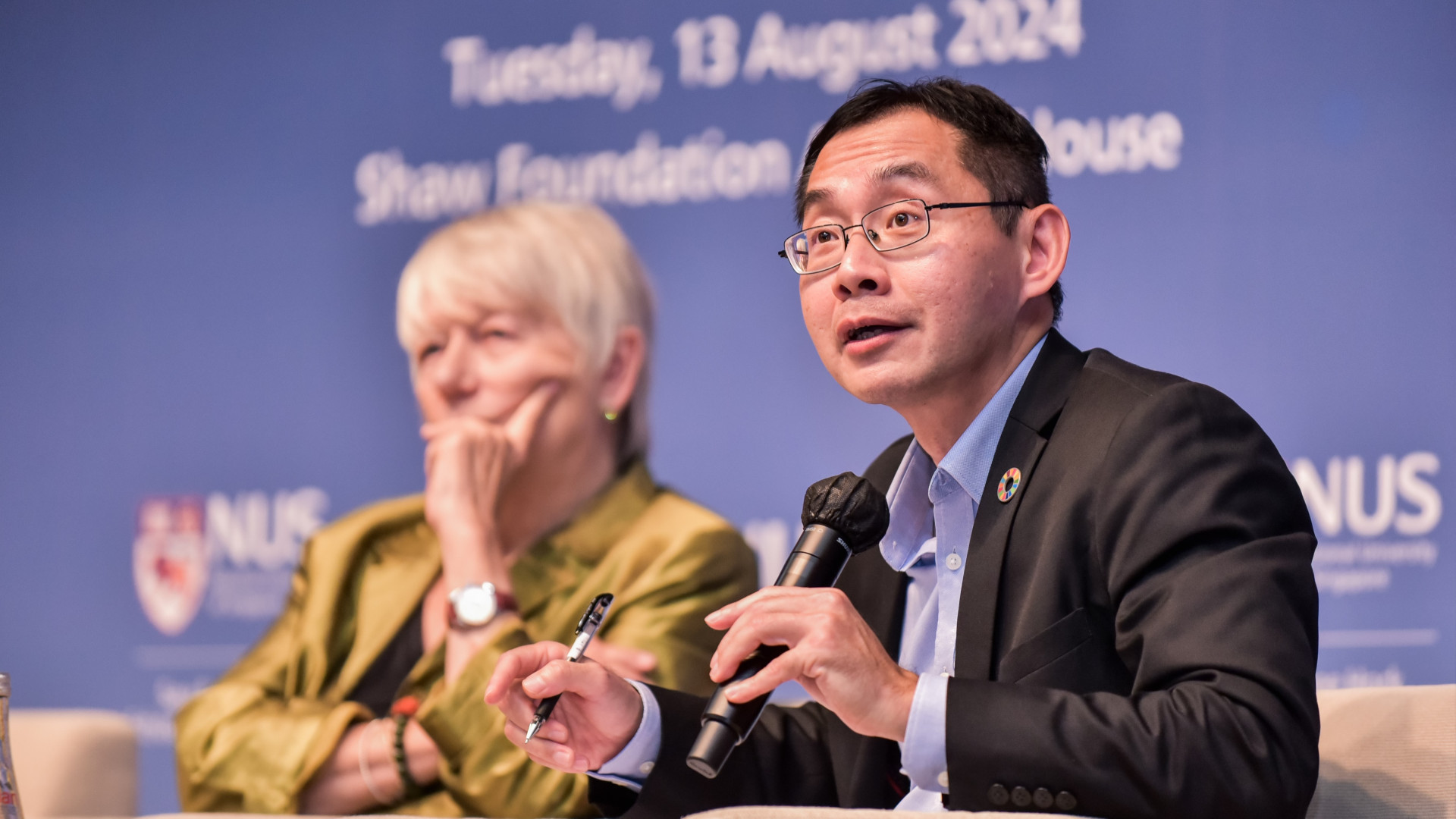
Prof Kickbusch echoed these sentiments, stressing that small countries have unique opportunities to drive change in global health governance. "The world is facing an unravelling of multilateralism, but small countries like Singapore can still exert significant influence by setting the agenda and leveraging their strengths in diplomacy, innovation, and public health," she said. She pointed out that small nations often play key roles in multilateral institutions like the WHO and the United Nations, where their votes carry the same weight as those of larger countries.
Prof Kickbusch also referenced examples of smaller nations making outsized impacts, including Norway’s long-standing leadership in global health policy and Switzerland’s advocacy for water as a key component of the United Nations’ Sustainable Development Goals (SDGs). She noted that Singapore, with its strong governance and commitment to health equity, is well-positioned to follow suit.
Meanwhile, Dr Chan further reinforced the idea that "small is beautiful", praising Singapore for its long-term investments in healthcare, education, and transparency, all of which have earned the country a strong international reputation. "Singapore punches above its weight because of its transparency, accountability, and strong social contract between the government and its people," she said. "The country’s strategic focus on long-term planning and innovation makes it a natural leader in the global health landscape."
Challenges of multilateralism and global governance
The discussion also addressed the challenges facing small nations in navigating weakened multilateral systems. The weakening of global governance structures, including the decline of multilateral cooperation, was highlighted as a significant concern in the 21st century. Thailand’s Dr Suwit pointed out that, while multilateral organisations like the WHO offer a platform for small countries to have a voice, the realities of international politics often mean that larger countries dominate the decision-making process.
“Small countries can still make a difference by thinking outside the box and using multilateralism to their advantage,” said Dr Suwit. “Singapore has already demonstrated its capacity to transform itself from a small, resource-poor nation to a global powerhouse. The same innovative thinking can be applied to global health."
He emphasised that small countries should not shy away from global health leadership, even in the face of overwhelming geopolitical forces. Instead, they can use their unique position to challenge traditional power structures and promote equitable health outcomes for all.
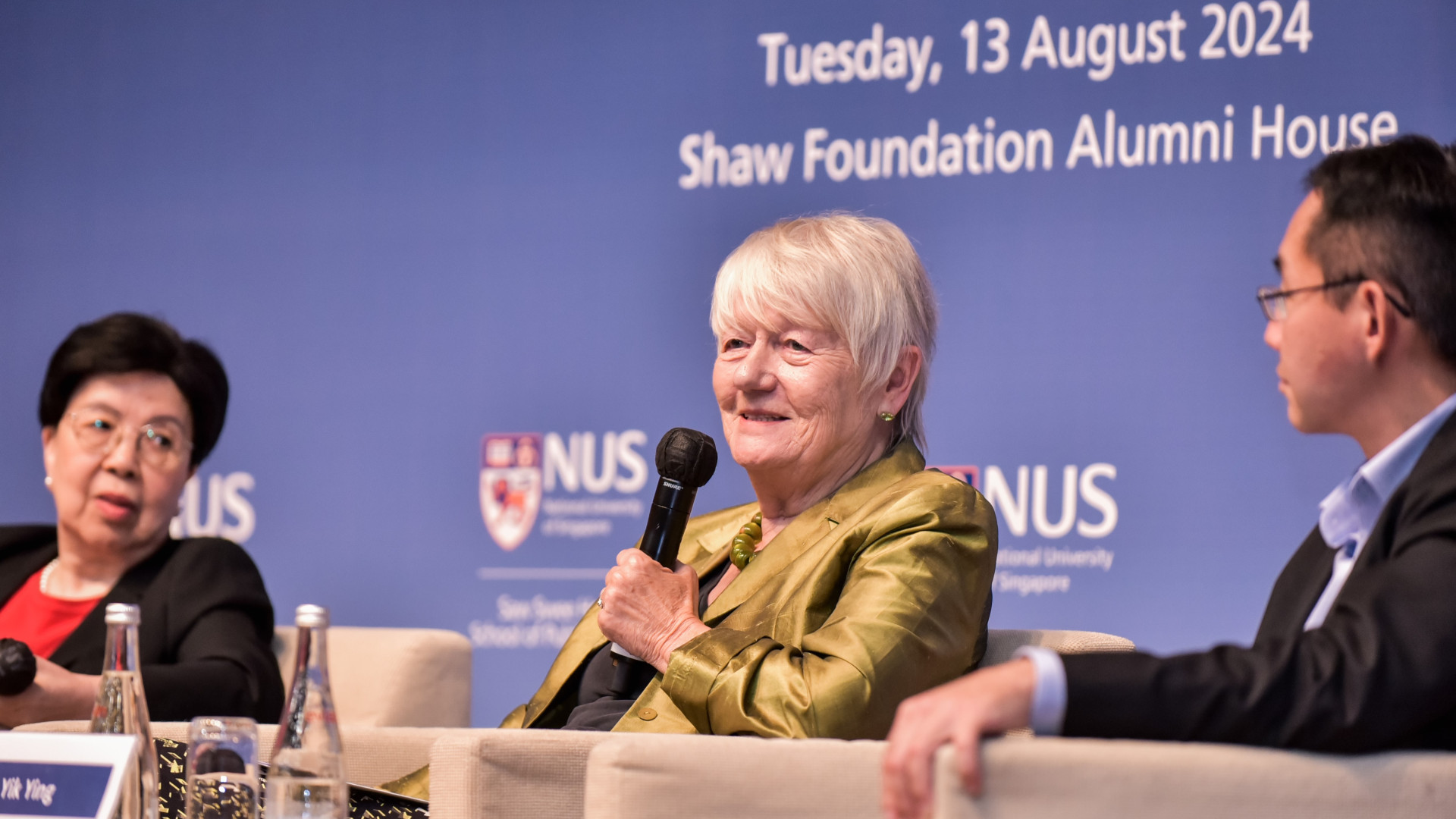
Dr Swaminathan also highlighted the need for collaboration among smaller nations to address common challenges such as pandemic preparedness, antimicrobial resistance, and climate change. "Small countries can form regional networks and alliances to amplify their voices on the global stage. By working together, they can tackle issues that larger countries may overlook or deprioritise," she said.
Dr Swaminathan noted that the COVID-19 pandemic underscored the importance of multilateral cooperation and equitable access to health resources. She pointed to the unequal distribution of vaccines during the pandemic as a key example of how larger countries often dominate access to life-saving health technologies, leaving smaller and poorer nations behind. "Singapore and other small countries have the potential to lead the charge for more equitable global health systems by promoting innovation and ensuring that health technologies are accessible to all."
Youth involvement and global health leadership
Another key theme of the dialogue was the critical role of youth in global health leadership. Dr Suwit strongly advocated for greater involvement of young people in global health policymaking, emphasising that they must be given real opportunities to participate in decision-making processes. "Don’t just talk about youth involvement—walk the talk," he said. "Young people have the potential to make a real impact on global health, but they need to be given the platform to do so."
Dr Suwit shared Thailand’s experience of including youth in its delegations to the World Health Assembly, where they had the opportunity to make meaningful contributions to global health discussions. He called on other countries, including Singapore, to follow suit and involve youth in global health governance, both at the national and international levels.
Prof Kickbusch added that youth involvement is essential for the future of global health governance, particularly as the world faces complex challenges that require innovative solutions. "Young people are the future of global health, and their voices must be heard," she said. "We need to empower the next generation of leaders to take on the challenges of tomorrow, from climate change to emerging pandemics."
Technological innovation and ethical considerations
The dialogue also focused on the role of technology in advancing global health, with particular attention to the ethical challenges that come with the rapid development of new health technologies. Dr Swaminathan addressed the importance of ensuring that emerging technologies, such as artificial intelligence (AI) and gene therapy, are developed and implemented responsibly.
"AI-based interventions, gene therapy, and other new technologies have the potential to revolutionise healthcare," Dr Swaminathan said. "But we must ensure that these innovations are used ethically and equitably, and that they benefit all populations, not just those in wealthy nations." She highlighted the need for robust ethical frameworks and regulatory oversight to guide the development and use of these technologies.
Dr Swaminathan also praised Singapore for its progressive approach to health regulation, citing the country’s front-of-pack labelling for high-sugar foods as an example of how policy can drive healthier choices and hold industries accountable. She urged other nations to adopt similar measures to combat non-communicable diseases and promote public health.
Data sharing and global collaboration
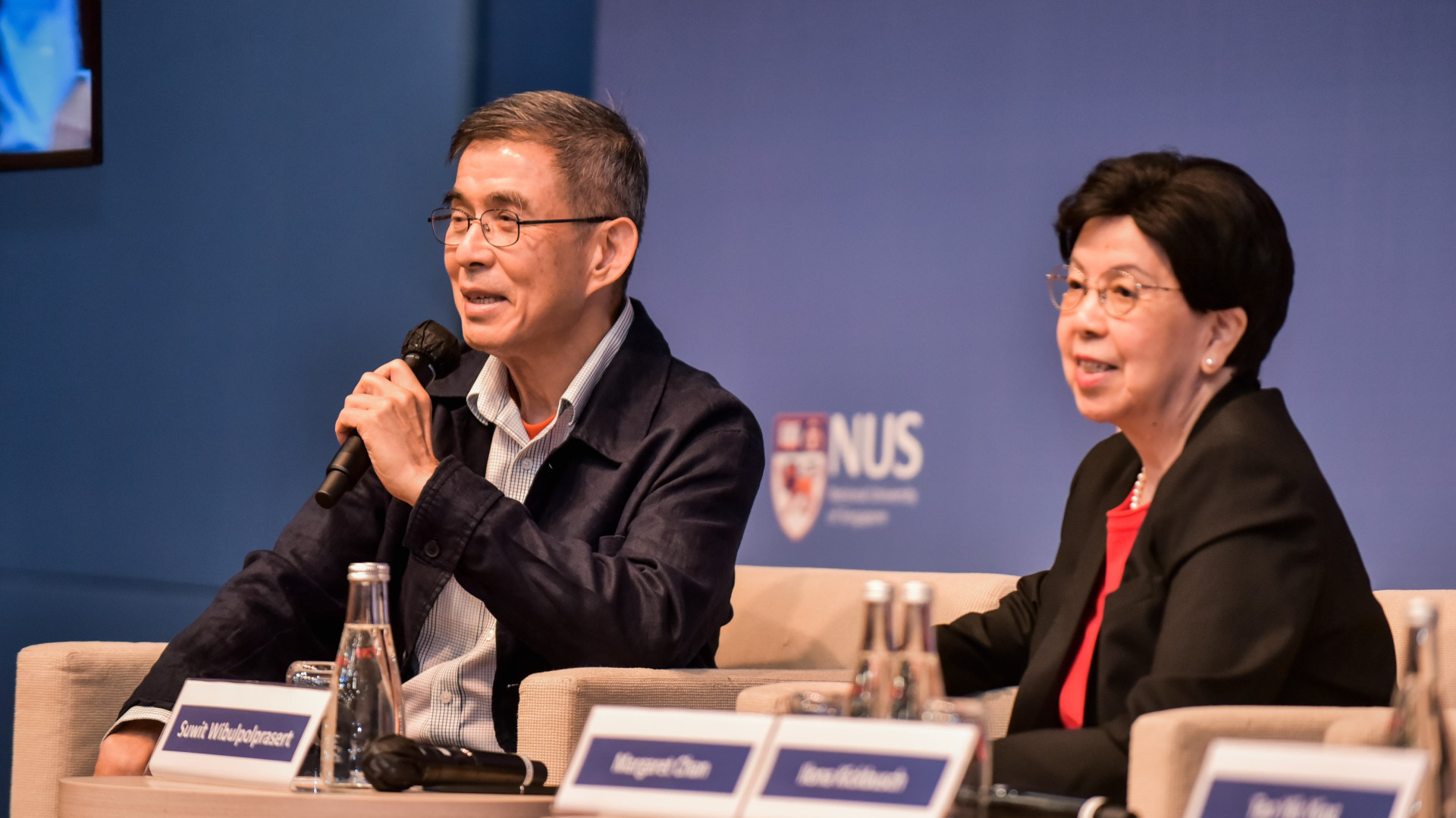
The issue of data sharing emerged as a critical point of discussion, particularly in the context of global health research and pandemic preparedness. Dr Chan highlighted the challenges associated with data sharing between countries and the importance of collaboration in addressing global health crises.
“Data is currency in global health," Dr Chan stated. But she cautioned that without trust and cooperation, it is difficult to ensure that data is shared in a way that benefits everyone. Small countries like Singapore can serve as trusted conveners, bringing together researchers, policymakers, and other stakeholders to share data and advance global health research, Dr Chan added.
Dr Chan noted that while there are challenges to data sharing, particularly around patient confidentiality and intellectual property, collaboration is essential to advancing scientific knowledge and preparing for future pandemics. She called on countries to build stronger data-sharing frameworks that prioritise public health and ensure that life-saving information is accessible to all.
Looking ahead: The future of small countries in global health
The dialogue coalesced around the notion that small countries like Singapore have a vital role to play in shaping the future of global health. From setting agendas in multilateral organisations to driving innovation and promoting health equity, small nations have the potential to make a significant impact on the global stage. With their agility, innovation, and commitment to health equity, nations like Singapore are poised to lead the way in tackling the world’s most pressing health challenges.
