


Taking aim at ‘wicked problems’ in NUS College’s Impact Experience programme
Experiential learning and the interdisciplinary approach are two hallmarks of an NUS College (NUSC) education that converge in the honours college’s flagship Impact Experience (IEx) programme – a compulsory two-year service-learning and community engagement project.
The signature capstone project challenges NUSC students to devise solutions for “wicked” societal problems in Singapore and the surrounding region. Since such problems are by definition too complex to unravel using a single disciplinary lens, students are encouraged to assemble teams with diverse academic backgrounds and seek advice from community partners and faculty supervisors as they research, design, and execute their projects in teams of six to seven in their second and third years of study.
“IEx will enable students to think about socio-economic, environmental, and community issues in a way that applies classroom knowledge towards the advancement of social services and community-building initiatives,” said Dr Julius Bautista, director of Impact Programmes at NUSC.
Working with local and regional community partners, students learn first-hand about the operational and logistical challenges of creating impact, such as intercultural communication, expectations management, funding and financing, scaling up operations, and ethics compliance, he added. The faculty supervisors guide them closely throughout, from helping the students form groups with the appropriate interdisciplinary mix and develop their problem statements, to tapping their own networks for partnership opportunities and nudging students in the right direction when they hit roadblocks.
Said Elise Lim, a Year 3 Psychology and Data Science double degree student: “NUSC’s tagline ‘break open the classroom’ implies learning beyond the classroom – I find that my IEx experience truly encapsulates this concept.
“From planning to meeting stakeholders to executing our project, this journey has taught me so much about collaborating with underserved communities and navigating the complexities of unequal power dynamics.”
The first cohort of IEx groups are now halfway through their projects, while the second cohort entered the programme at the beginning of AY2024/2025.
Creating enduring impact
With 56 groups in the first cohort alone, IEx projects touch on a broad range of topics in the three main categories of Arts & Design, Civic & Community, and Science & Technology. Education and youth is a popular theme, with 12 groups working on related projects; other common themes include climate and eco-sustainability, community development and social equity, and social diversity and urban inclusivity.
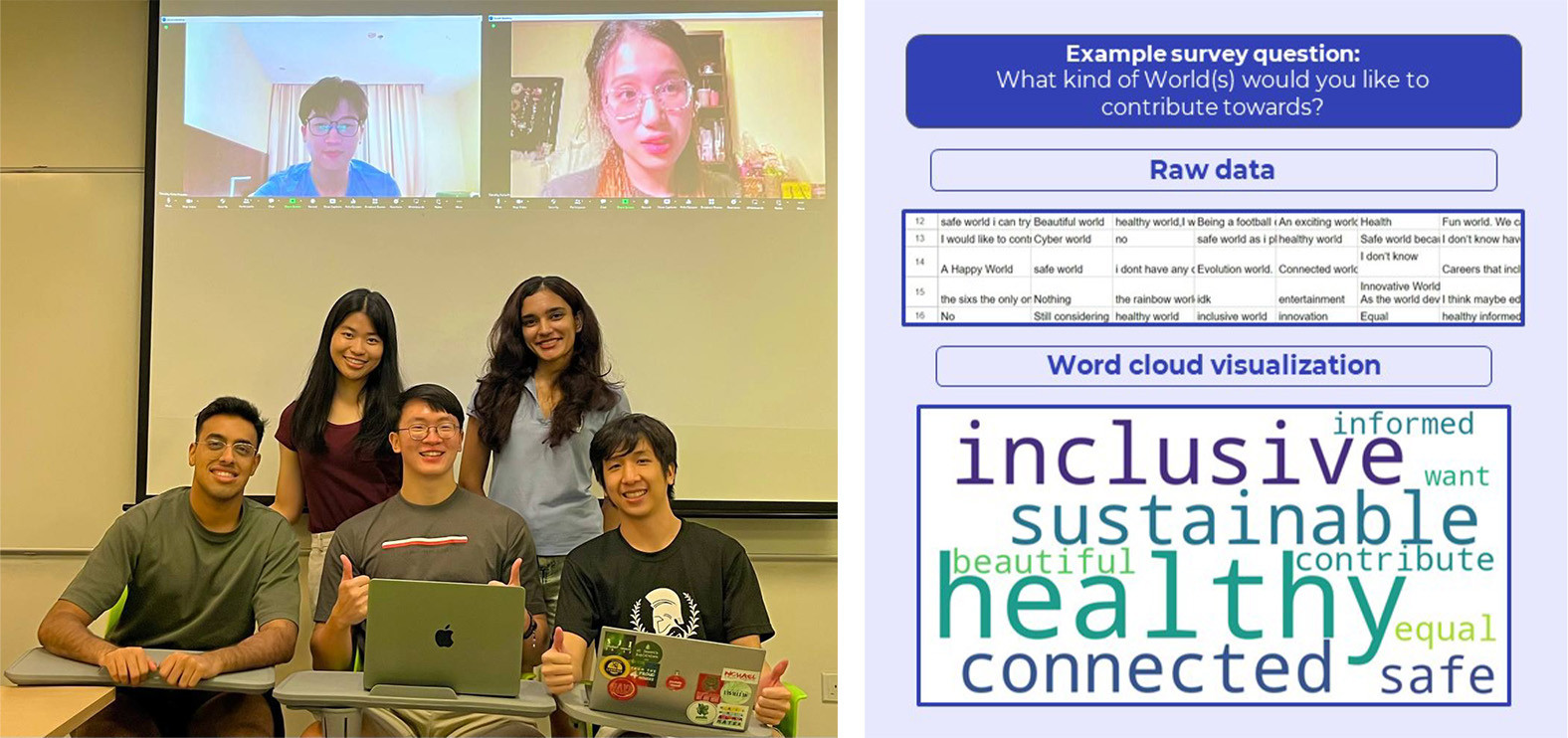
All IEx projects endeavour to make a positive, lasting difference to the world. For example, the SociaMetric project is developing a solution with local youth guidance charity The Astronauts Collective to track and report its social impact using existing data tools. The goal is to produce an automated workflow that other social enterprises and charities can easily implement.
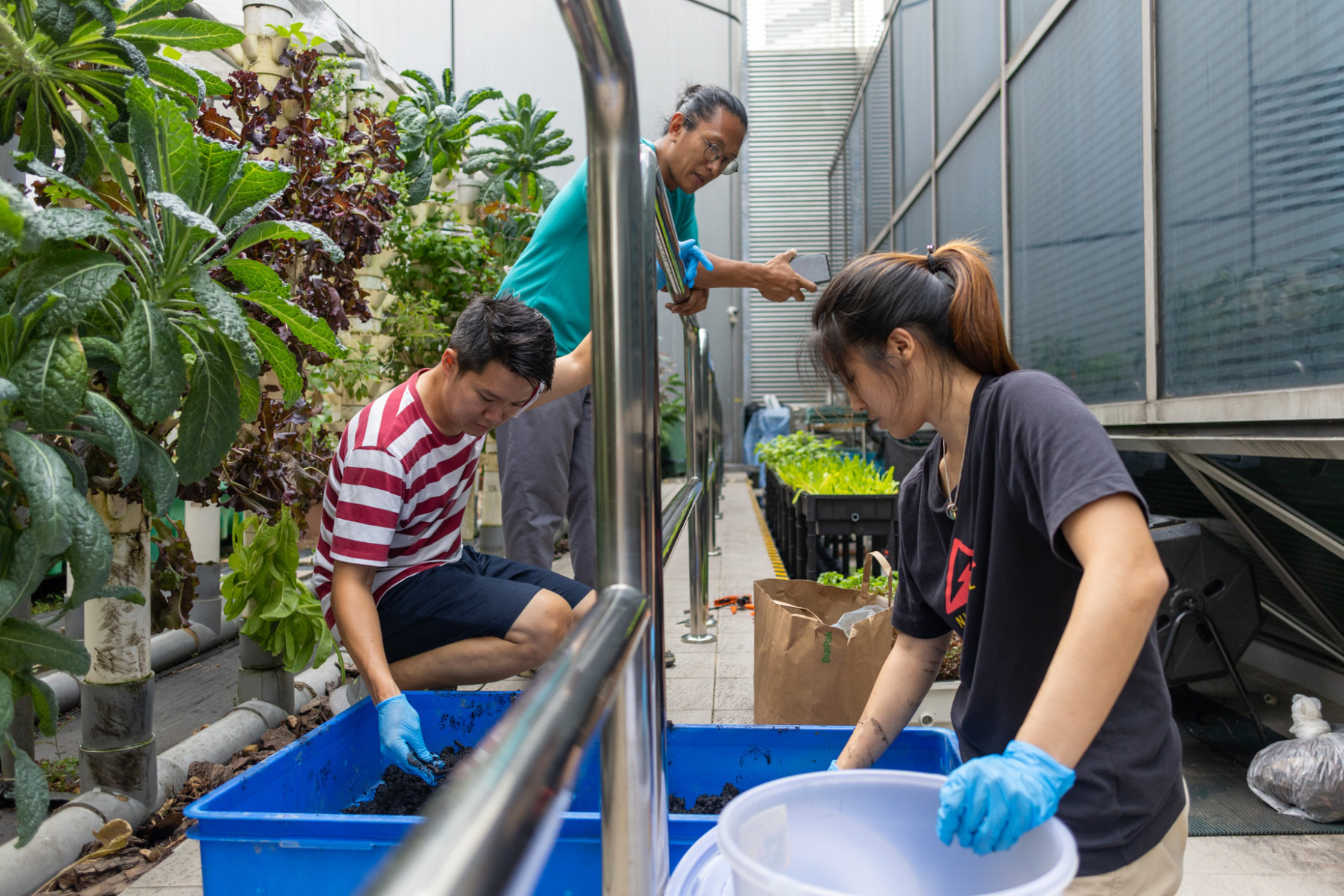
Another approach, taken by local projects W(eight)st Not! and Voideckies, is to empower the communities they have partnered to continue the movement after the initial projects end. W(eight)st Not! is working with Fairmont Singapore and agritech startup Corridor Farmers to turn the hotel’s food waste into compost that can be used by community farms, in hopes of nurturing a self-sustaining circular economy.
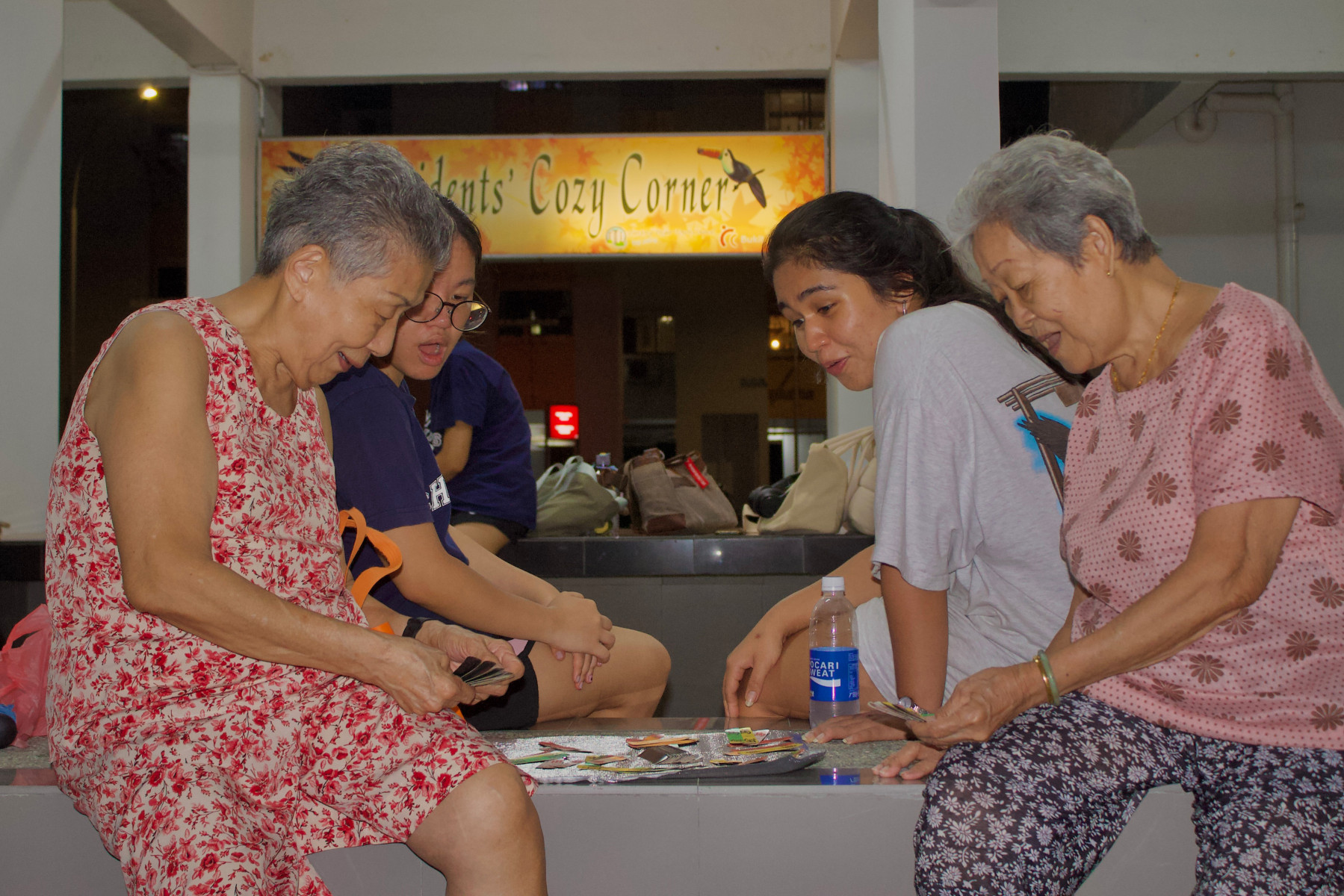
Meanwhile, Voideckies conducts biweekly game nights at a Bukit Purmei void deck to cultivate a close-knit community among the residents and reduce elderly loneliness. The team is encouraging residents to lead the sessions and eventually run them independently.
Still others, like a bamboo agri-education project in the Philippines led by Team Bayanihan, hope to hand operations over to their non-governmental organisation partners or encourage future NUSC cohorts to continue and improve the projects. Team Bayanihan’s goal is even more farsighted, aiming to change negative perceptions about bamboo as a construction material by teaching elementary school children about its versatility and potential.
Slow but steady progress
Among the first lessons of IEx is that creating impact is a slow process that is complicated by the intersection of societal issues and factors beyond their control. Many students quickly learnt to discard their preconceptions and approach the problems with an open mind, ready to listen to the communities.
The Sustaining Mae Jhon team is one of several that changed their proposed solution to align better with the local community’s situation, resources, and capabilities. While the objective remained the same – to help the marginalised Dara’ang community in Thailand increase profit margins for their banana crops – the students had to pivot from their idea of developing a line of organic banana chips to focus on the solar-dried banana product that the locals were familiar with.
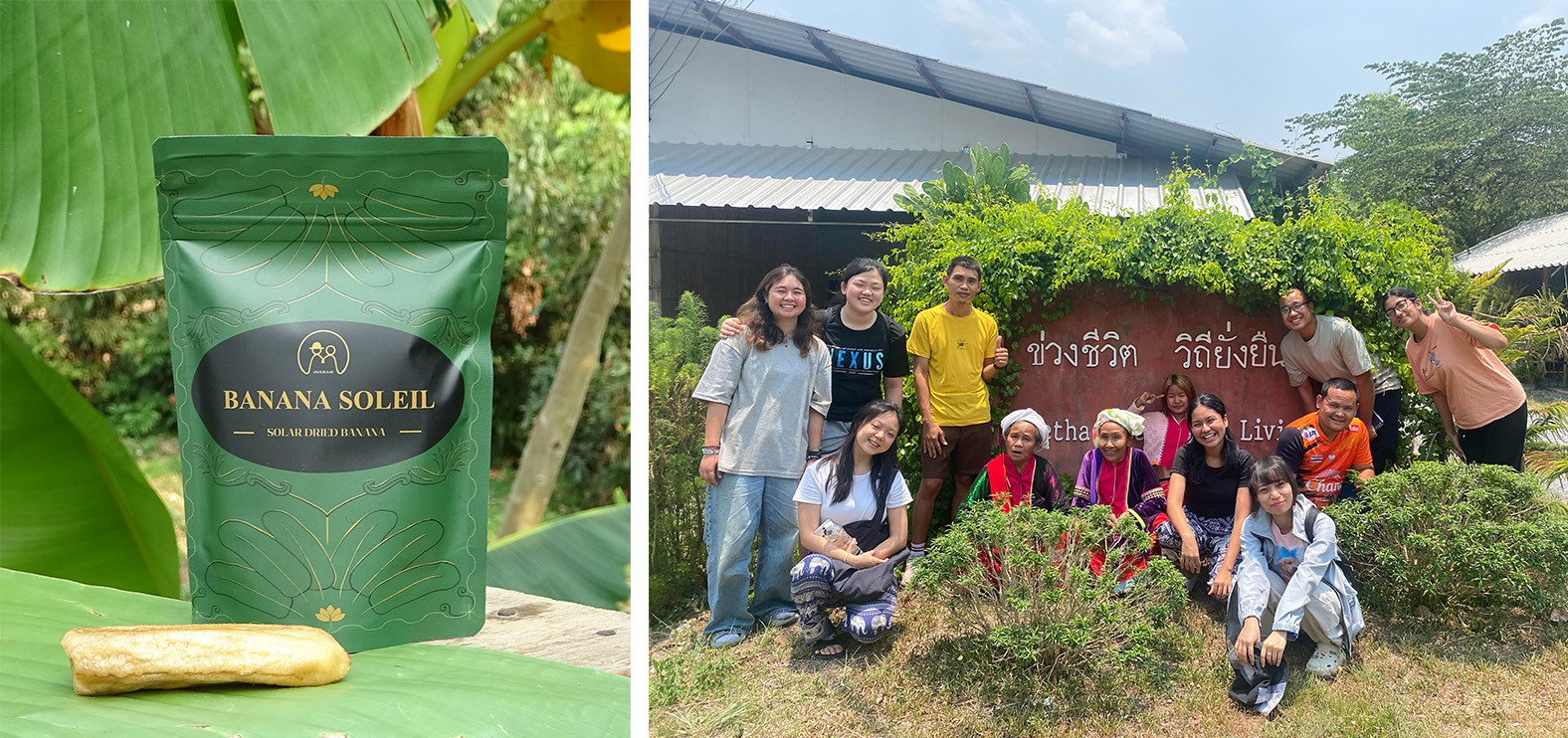
Said Christabel Seck, a third-year Life Sciences major: “The key shift in mindset was learning to prioritise the needs of the people we're working with, and to see things from their perspective. Rather than assuming we knew their challenges and trying to impose a solution, we realised the importance of understanding their situation first.”
Tackling a real-world problem over an extended period presents different challenges from the usual undergraduate assignments. The W(eight)st Not! team had to learn patience from the slow, arduous process of composting, and resilience from setbacks like crop failures due to bad weather. “As cliché as it sounds, the journey matters more than the destination and small, consistent efforts can accumulate into meaningful, lasting change,” said Ashley Lui, a third-year Pharmaceutical Science major in the team.
In addition, their diverse academic backgrounds made it difficult to align on technical and practical aspects of the project initially. However, after gaining a better understanding of urban farming and composting, they sorted out the issue by allocating responsibilities according to each team member’s strengths.
Every project has its own demands and deadlines that rarely align with the academic calendar, requiring teams to coordinate their schedules for meetings, community engagement activities, and even semester exchange programmes well in advance.
“Given that the project stretches across two years, it inevitably conflicts with our different commitments – including academic commitments like taking modules to meet the minimum recommended workload during the semesters,” said Voideckies team member Bernard Lee, a Year 3 student majoring in Communications and New Media with a minor in Interactive Media Development.
Reflections at the halfway point
One year in, the first run of IEx has already sparked change in the communities and the students.
After spending several months getting to know the Bukit Purmei residents and designing a community-building solution that would suit their interests and needs, the Voideckies team is delighted that the biweekly game sessions are turning into a routine neighbourhood activity, with some regulars showing up even before the team arrives.
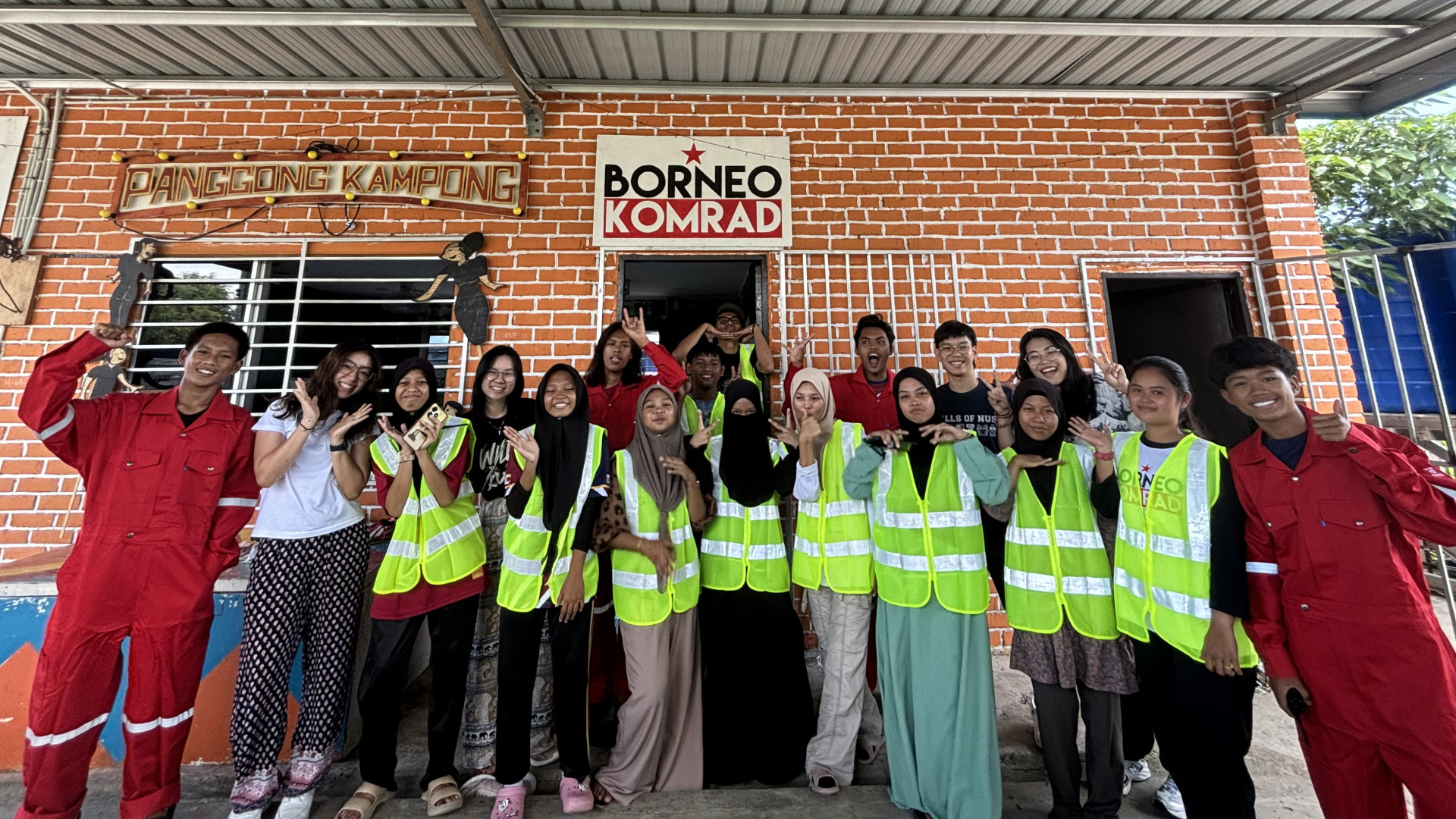
A major milestone for Team MEOWA, a group working on developing fire prevention and response measures for Kampung Air in Semporna, Sabah, Malaysia, was successfully coordinating a fire safety workshop that local teachers had been trying to organise for five years.
While team member Elise felt proud of their achievement, she also realised that their status as NUS students and the resources provided by NUSC could have been major factors in moving the stalled project forward.
“This underscores the privilege that we have as external agents seeking to make an impact in an underserved community,” she said. “Regardless, I find that accomplishing something that our partner organisation had wanted to do is an achievement in itself.”
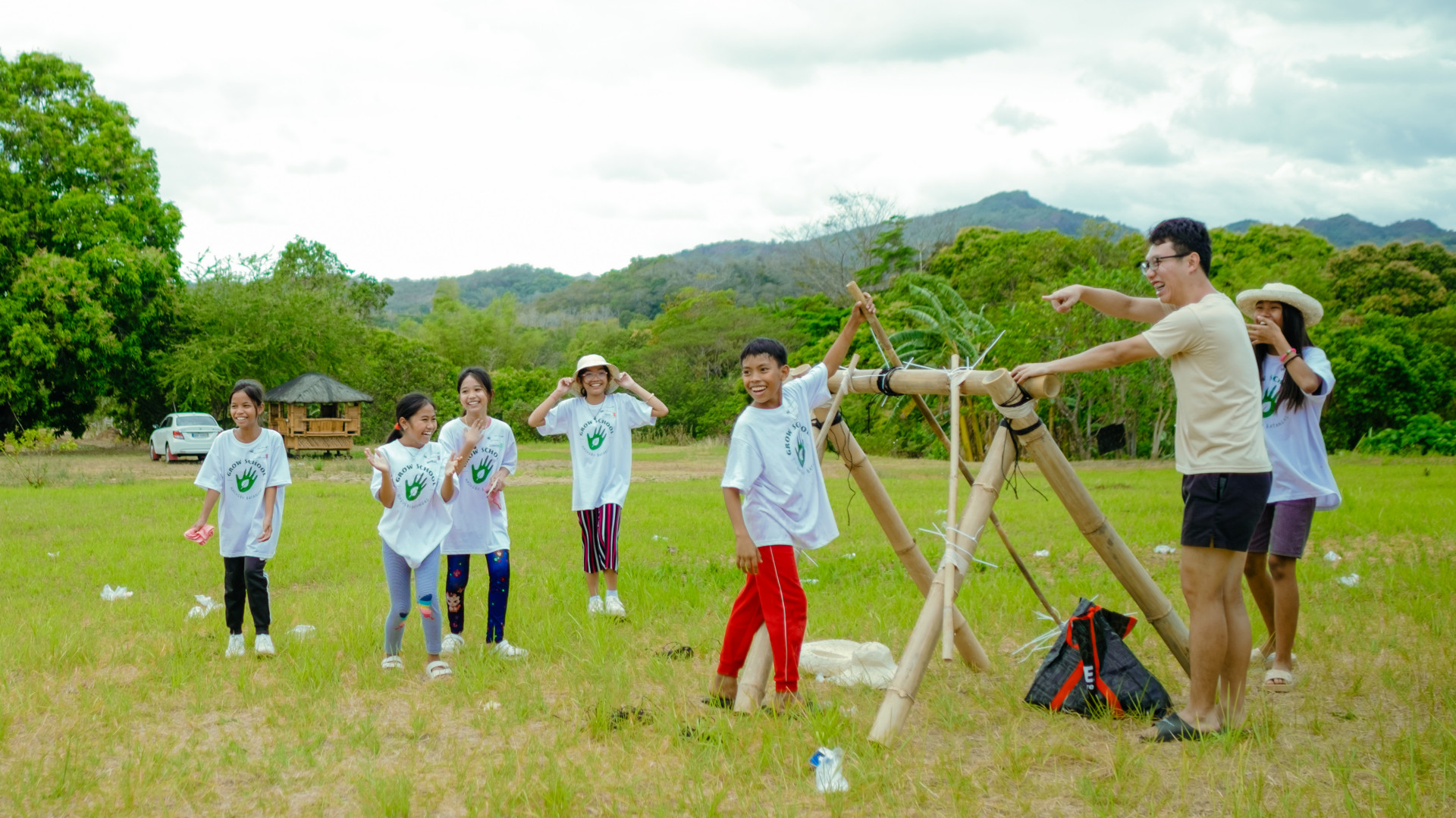
With one more year to go, the students in the first cohort still have much work ahead of them. The scale of the project has taught Andrew Toh, a third-year Communications and New Media major in Team Bayanihan, to be more reflective about everything he does.
Said Andrew: “Sometimes, taking a step back, looking at everything that has been done, and reflecting on the journey you took to get there really helps you to see where you came from, where you stand now, and where you should head towards.”
More about the IEx journey
Second-year NUSC students embark on the programme with an IEx Hackathon where they brainstorm and refine their ideas with advice from faculty members.
After forming groups, they propose their project topics, which can take place locally or in other countries around Southeast Asia, and begin work once their projects are approved. The current cohorts have a roughly even split between local and regional IEx projects.
Undertaking a regional IEx project means students must make multiple trips to their project countries, coordinating their schedules during recess weeks and school holidays and making the most of each trip to stay on track. To account for the additional demands, regional IEx projects count as fulfilment of the NUSC Global Pathways graduation requirement without the student completing a separate overseas experience like an exchange programme.
Along the way, the IEx groups have been sharing their experiences with the wider community through Impact Experience: An NUSC Podcast. At the end of the two-year programme, they will showcase their findings and reflections in an annual Impact Festival, the first of which will take place in late 2025.
