Understanding Timor-Leste: A deep dive into community and culture
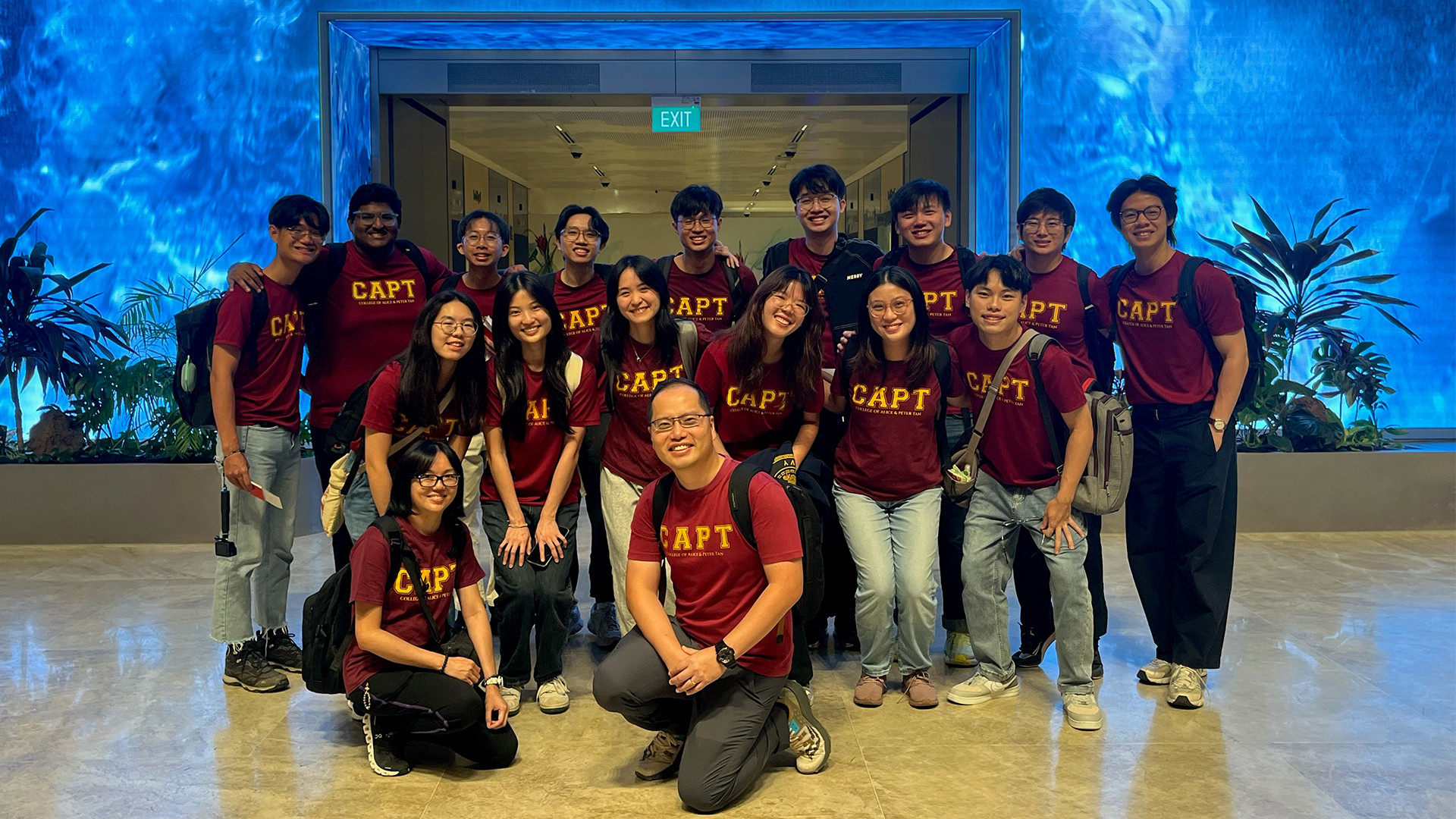
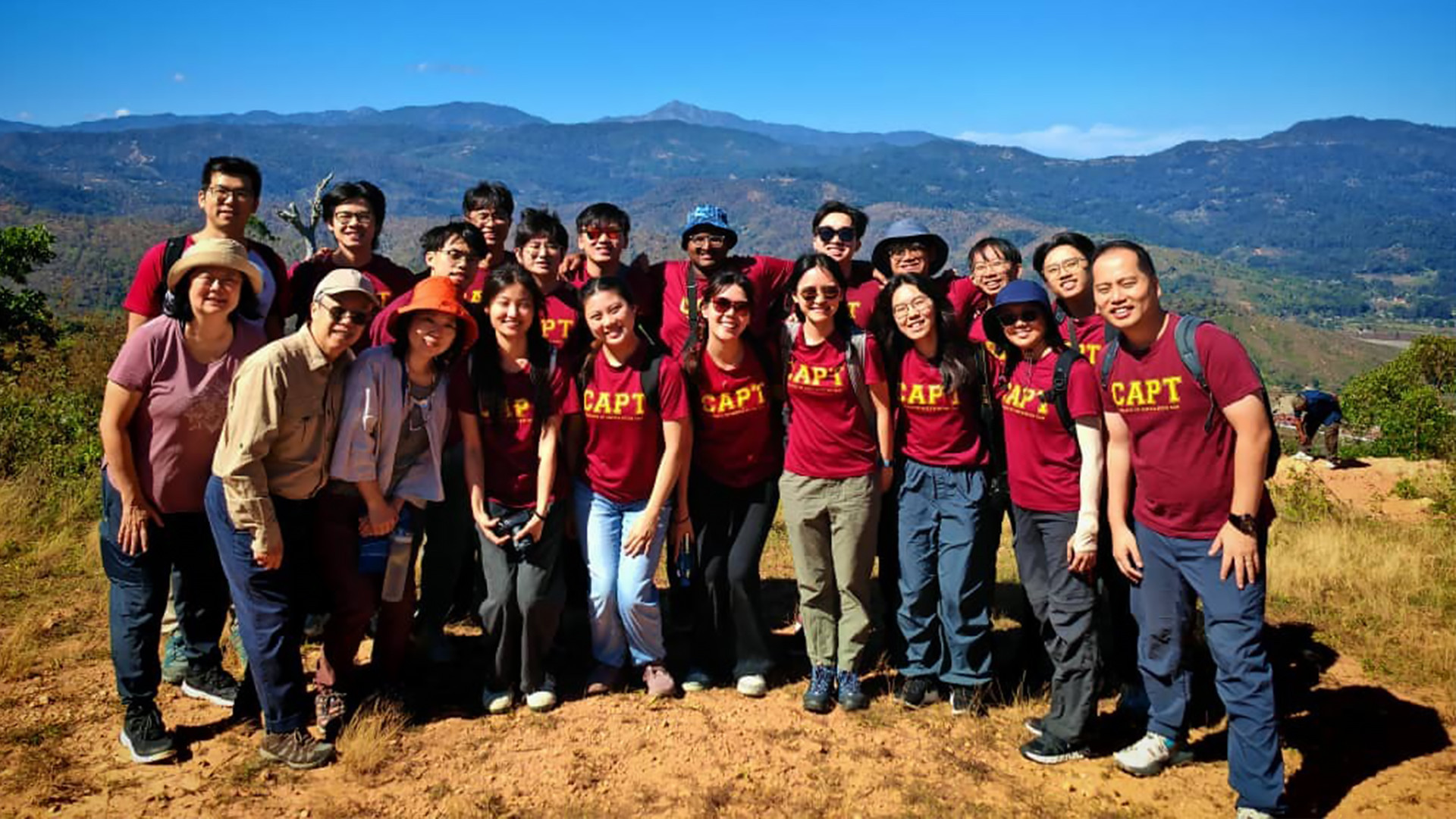
As part of NUS Global Relations Office’s Study Trips for Engagement and EnRichment (STEER) programme, 15 NUS students from the College of Alice & Peter Tan (CAPT) embarked on a 10-day overseas trip to multiple municipalities and districts in Timor-Leste, including Dili, Ermera and Metinaro. Led by Dr Toh Tai Chong, Director of Residential Life and Resident Fellow at CAPT, the trip centred on the themes of youth and community development. Despite being the youngest Southeast Asian country, independent since 2002, Timor-Leste offered students the chance to gain deep insights into the country’s agricultural, educational and community leadership systems through engagement with various stakeholders, communities and organisations.
Agriculture as the backbone of Timor-Leste’s economy
Coffee is one of Timor-Leste’s top export crops, deeply rooted in the country’s history due to Portuguese colonisation. Today it remains a vital part of the nation’s economy and identity, and the team had the chance to visit various coffee production sites and local cafes, experiencing firsthand the full harvesting process.
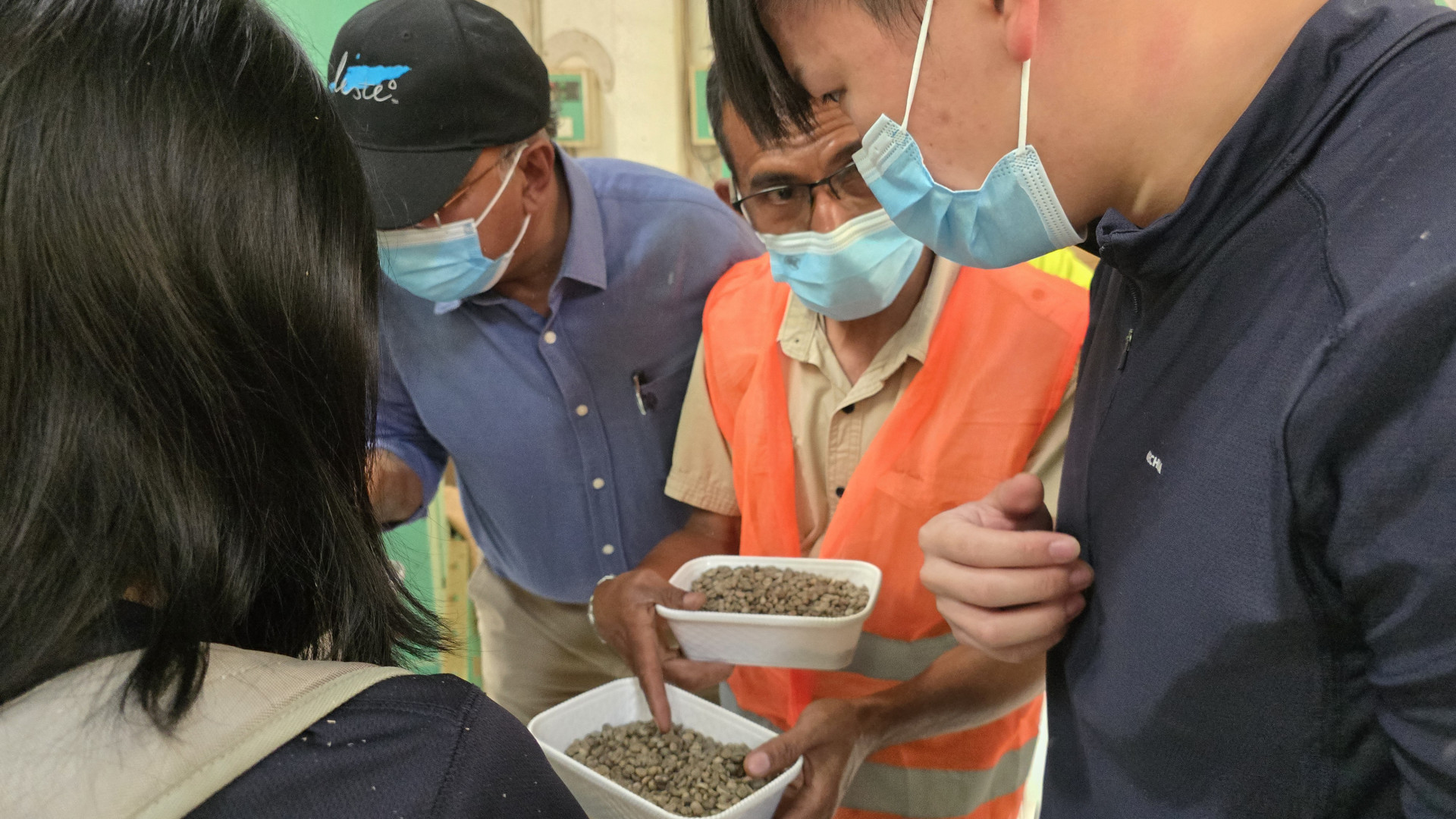
Alongside coffee production, the Timorese government is also positioning agriculture as one of the country’s key exports by tapping on the country’s land space and natural potential for agricultural production. To support this push, universities like Universidade Nacional Timor Lorosa'e and University of Peace, are training youth in agriculture.
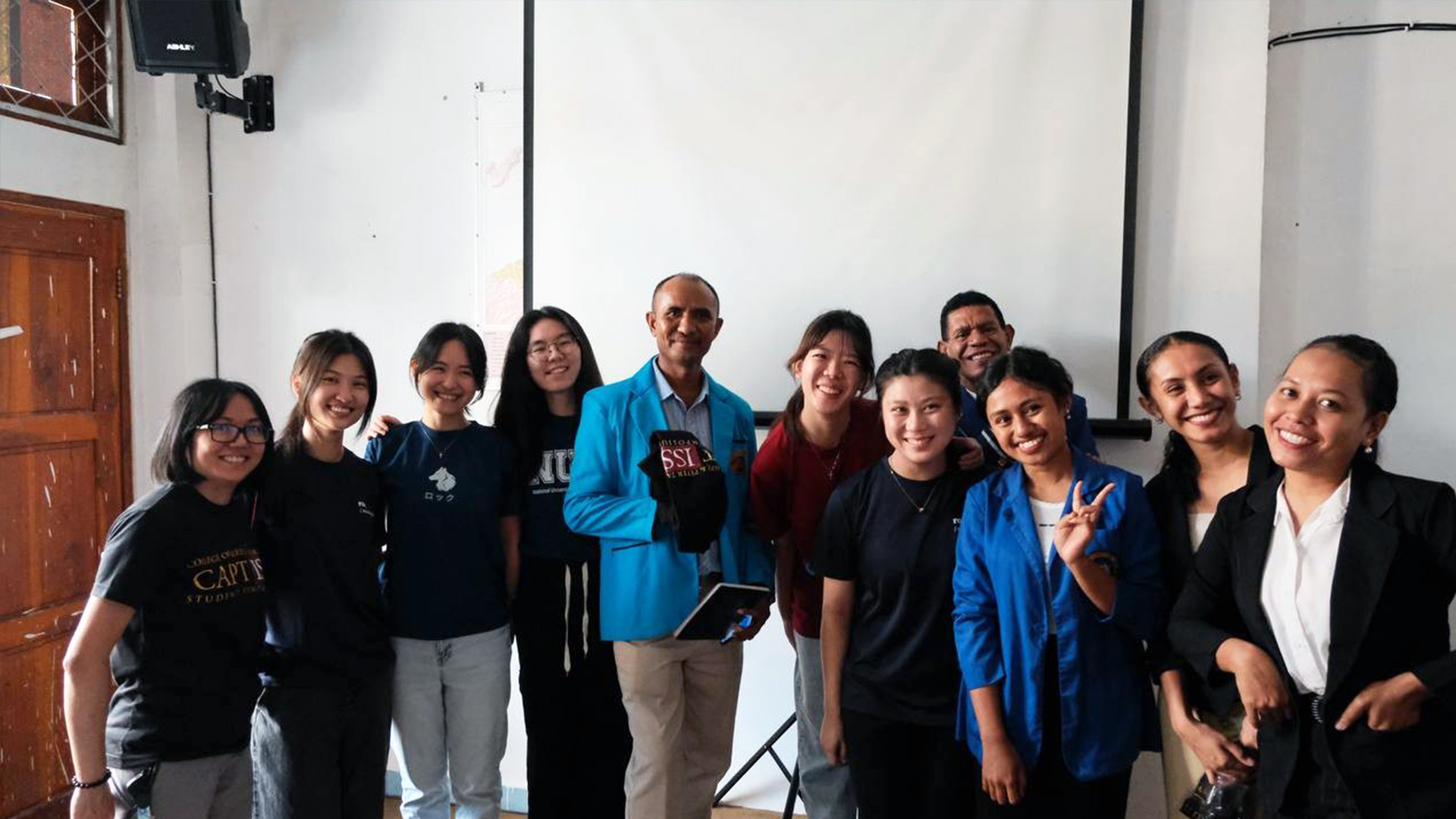
Through conversations with university students and professors, the CAPT team discovered the importance Timorese youths placed on agricultural education as a pathway to improve their country’s farming industry. Many have aspirations to work abroad, particularly in places like Australia, in order to bring back new agricultural techniques to benefit their communities.
However, it has been challenging with the country’s long dry seasons lasting up to nine months, and growing concerns about climate change, resource depletion and pollution that make environmental conservation even more critical. Non-governmental organisations (NGOs) like Permatil hope to address this by equipping young people with knowledge about permaculture and water restoration, empowering them to implement sustainable agricultural practices in their own communities.
Education as a means to engage and empower youths
To learn more about the youths and the local education system, the team visited different educational institutions, from pre-schools to universities. They were able to gather deeper insights on the ground about the education scene in relation to their pre-trip seminars conducted by professionals who shared their personal and professional experiences working in Timor-Leste. One notable takeaway was how the importance of agriculture was actively communicated to young people. Many universities offer agricultural courses aimed at equipping the next generation with the skills needed to sustain and advance the industry so vital to the country’s development.
On a more personal level, the team was deeply moved by conversations with students, teachers and staff, many of whom shared that they aspired to become educators in order to give back to society. Clarence, a Year Three CAPTain from the Faculty of Science, said, “It is heartening to see the passion of these students and staff — not just in educating us, but in their eagerness to connect. Despite the challenges they face, it was truly inspiring to witness their determination and intentionality they display in creating meaning and value for themselves and their communities.”
Uniting communities through community leadership
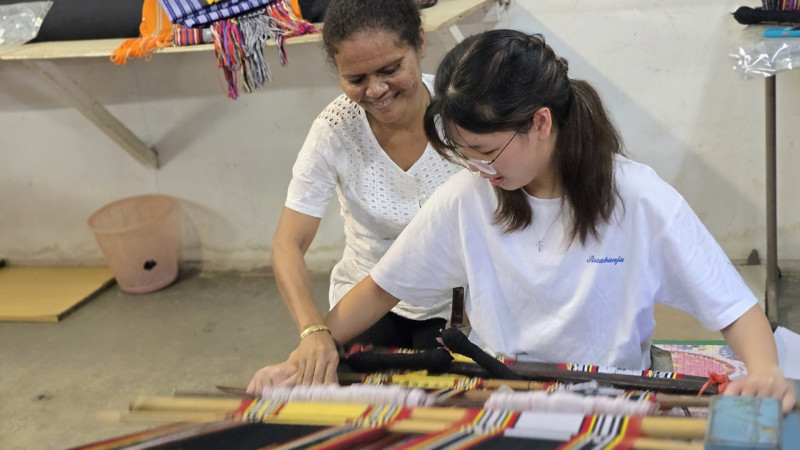
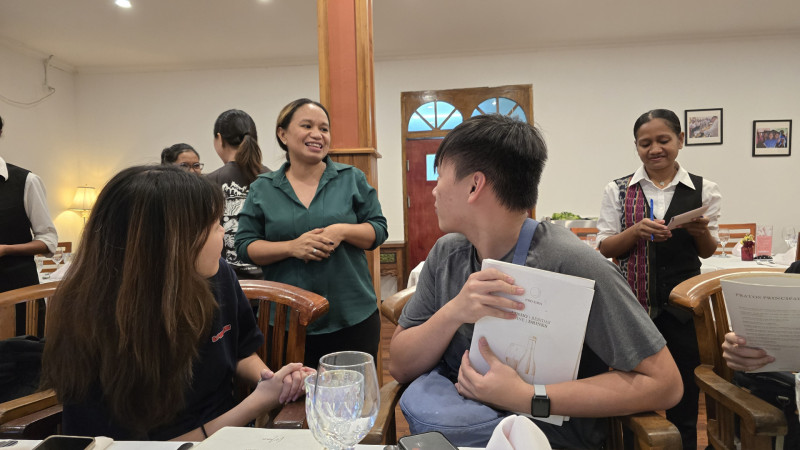
Another key theme which surfaced during the trip was the quiet strength of community leadership. Many of the community leaders the students met shared about their desire to give back and empower fellow Timorese by providing them with jobs, training and skills to uplift their families. Driven by an entrepreneurial spirit and a deep commitment to their communities, these leaders have creatively leveraged existing resources to advocate for a range of causes – from sustainability and women’s rights, to coffee production and local spirits – while carefully balancing support from NGOs with their pursuit of self-reliance. When visiting one of the NGO, Alola Foundation, Year 2 CAPTain and Business student Lynette Saw (pictured in the left photo below) was inspired by the stories that were shared at the visit and how it only takes a collective vision to spark meaningful, intergenerational change for women in Timor Leste.
Given the constraints faced by the local government, the students saw how community leadership plays an important role in Timor-Leste’s development, and how local initiatives and grassroots leaders complement the government’s work by helping to drive social progress and enhance community resilience. Year Three CAPTain from the College of Design and Engineering Tan When Young, not only held deep respect for the community leaders but developed a newfound respect for the meaningful work that the NGOs do. “Many of the NGOs truly went above and beyond in the work to support the local communities. While it is definitely not easy and there are a lot of challenges, it is heartening to witness the fruits of their labour.”
The trip left the team cognisant of the challenges this young nation faces, yet deeply hopeful about its untapped potential. With the right support systems and sustained investment in the local communities, they believe that Timor-Leste has the potential to flourish – grounded in unity and driven by a shared vision and strong sense of national identity.