Cultivating the next generation of global entrepreneurs through the NUS Enterprise Summer Programme in Entrepreneurship
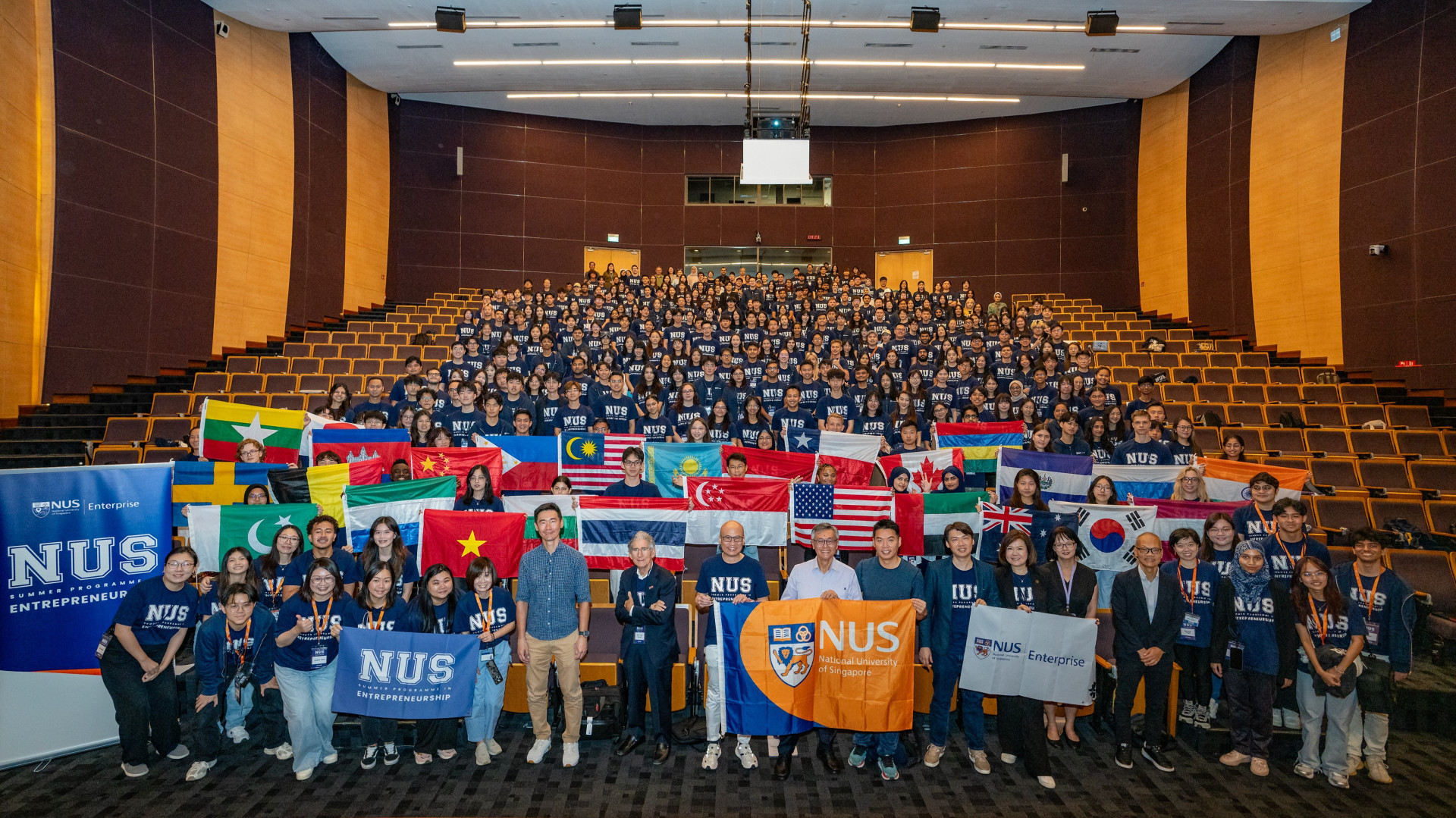
Through the perspectives of NUS students Neryss Ho and Cheow Jun Wei, we delve into how the transformative two-week NUS Enterprise Summer Programme in Entrepreneurship sparked their entrepreneurial passions, honed their pitching skills, embarked on immersive learning journeys, and forged meaningful connections with both local and international peers.
Fostering an entrepreneurial mindset
All participants were challenged to tackle real-world problems faced by companies, from sustainable supply chains to tech-driven social impact, through intensive workshops and team pitches.
As shaping the entrepreneurial mindset was crucial at the start, the opening ceremony included a fireside chat with Mr Jeffrey Tiong, founder of unicorn start-up PatSnap. Recalling his journey from humble beginnings to scaling a global innovation platform, he highlighted invaluable lessons he had acquired on resilience, reinvention, and radically honest leadership.
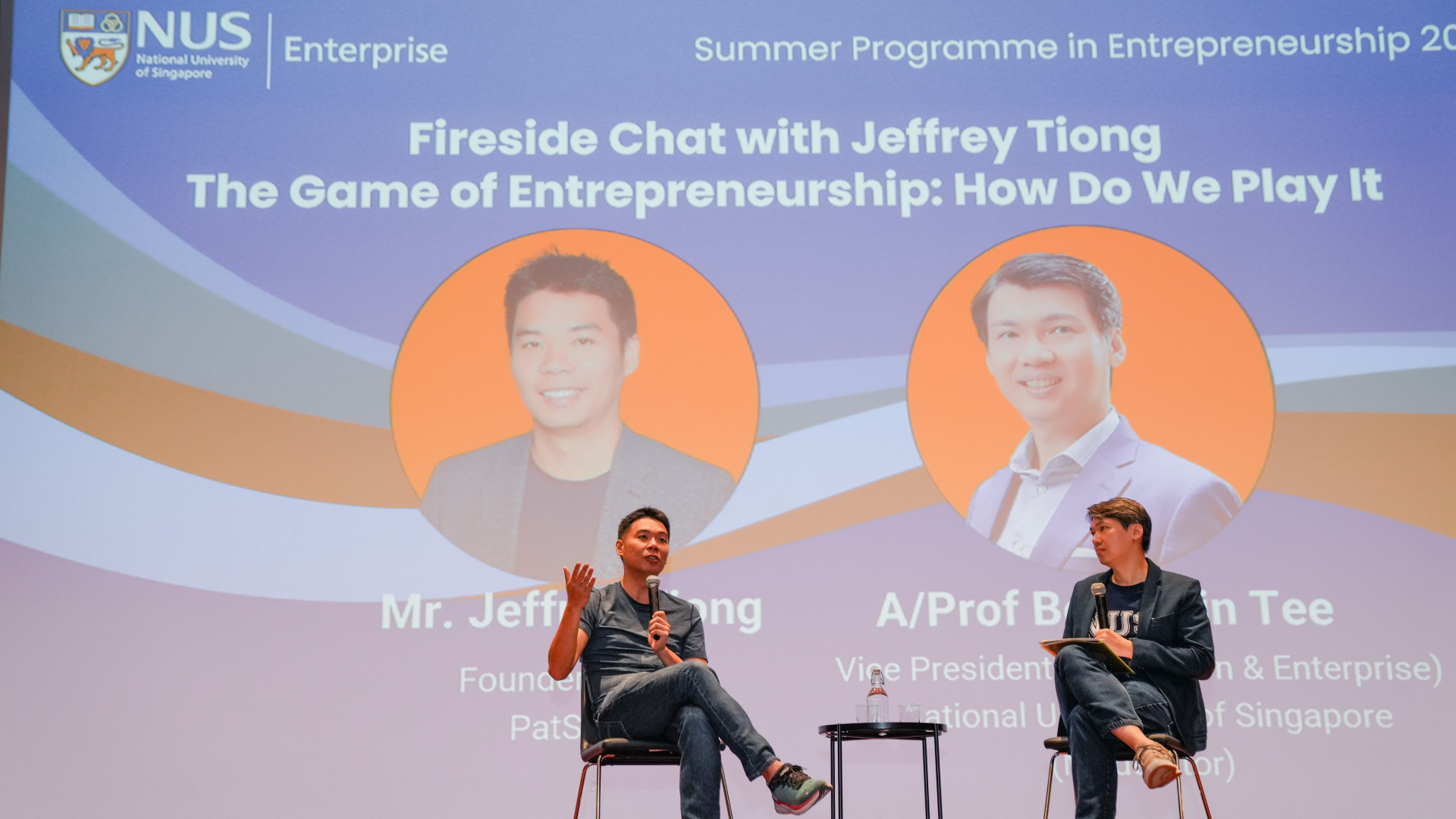
The fireside chat was one of the sessions where students could pick up business insights, and put this into practice over the course of the programme. On Demo Day in week 2, they presented their ideas applying what they had learned, to a panel of venture capitalists and industry experts.
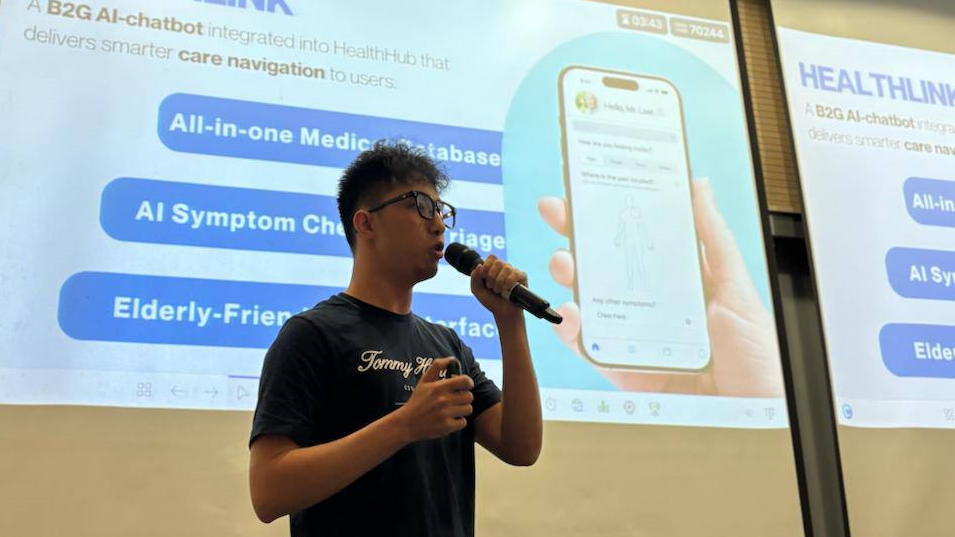
Jun Wei, a Data Science and Analytics major from NUS College of Humanities and Sciences, drew inspiration from Mr Tiong as he recounted how, in his role as leader of the pitch team HEALTHLINK, he learned to reframe challenges as opportunities. Their team developed an innovative chatbot to enhance patient experiences on Singapore’s HealthHub platform. This effort not only earned them a first-prize win in their track but also left a strong impression on the judging panel.
“Our multicultural team consisted of Pim from Thailand, Toby and Ying Yue from China, Moza from the UAE, and me. While we all came from vastly different backgrounds, we each had complementary strengths which contributed to the team’s success,” he recounted fondly. “We bonded by sharing past project experiences, and I took the lead to structure our discussions.”
Thriving in ASEAN’s start-up ecosystem
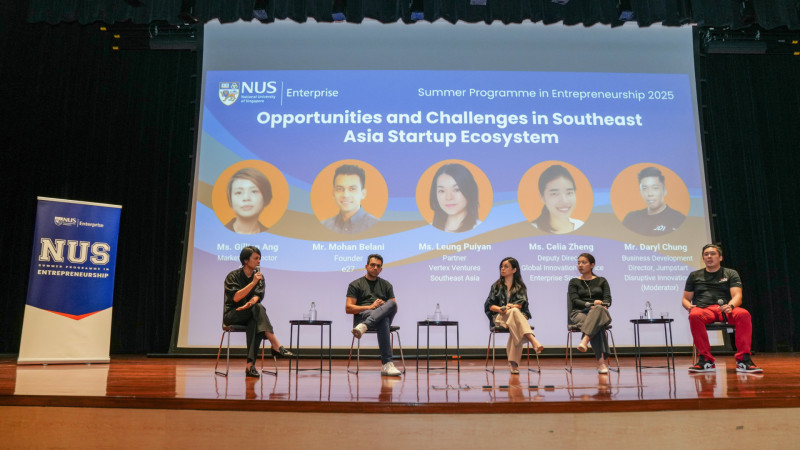
Week two culminated with ASEAN Day, a dedicated exploration of Southeast Asia’s dynamic entrepreneurial landscape. The centrepiece was a panel session on “Opportunities & Challenges in Southeast Asian Start-up Ecosystem”, where participants acquainted themselves with opportunities for growth and innovation in the fast-growing region.
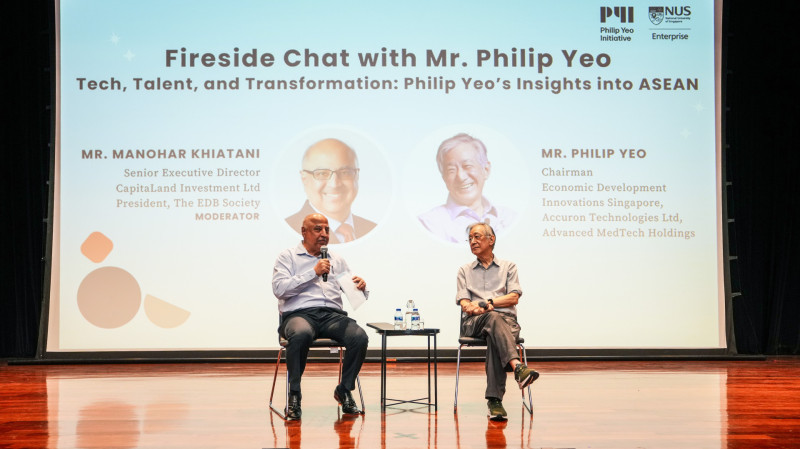
The programme’s industry exposure took participants directly into Singapore’s thriving start-up ecosystem. Visits to BLOCK71 Singapore and interactions with founders from NUS start-ups like Carousell and ShopBack, revealed the practical steps to scaling ventures. In addition, a fireside chat with Mr Philip Yeo, Chairman of Economic Development Innovations Singapore, offered insights on talent development, navigating ASEAN’s US$600 billion (S$773 billion) digital economy, and how he strategised Singapore’s transformation into a global hub for technology, biomedicine, and innovation.
“If you want to do business here, learn the languages,” Mr Yeo emphasised, an essential starting point for any aspiring ASEAN entrepreneur.
Beyond business insights, the programme embraced ASEAN’s rich cultural tapestry through immersive activities that deepened participants’ regional understanding. Language learning segments introduced its linguistic diversity with lessons in Thai, Vietnamese, and Bahasa Indonesia. Hands-on workshops in traditional batik painting, angklung music, silat, and a traditional bamboo dance offered the participants authentic cultural experiences, while cookery sessions featuring traditional Southeast Asian dishes such as som tam (Thai papaya salad), gado-gado (Indonesian salad with peanut dressing), and Vietnamese spring rolls gave them a taste of the region’s flavours.
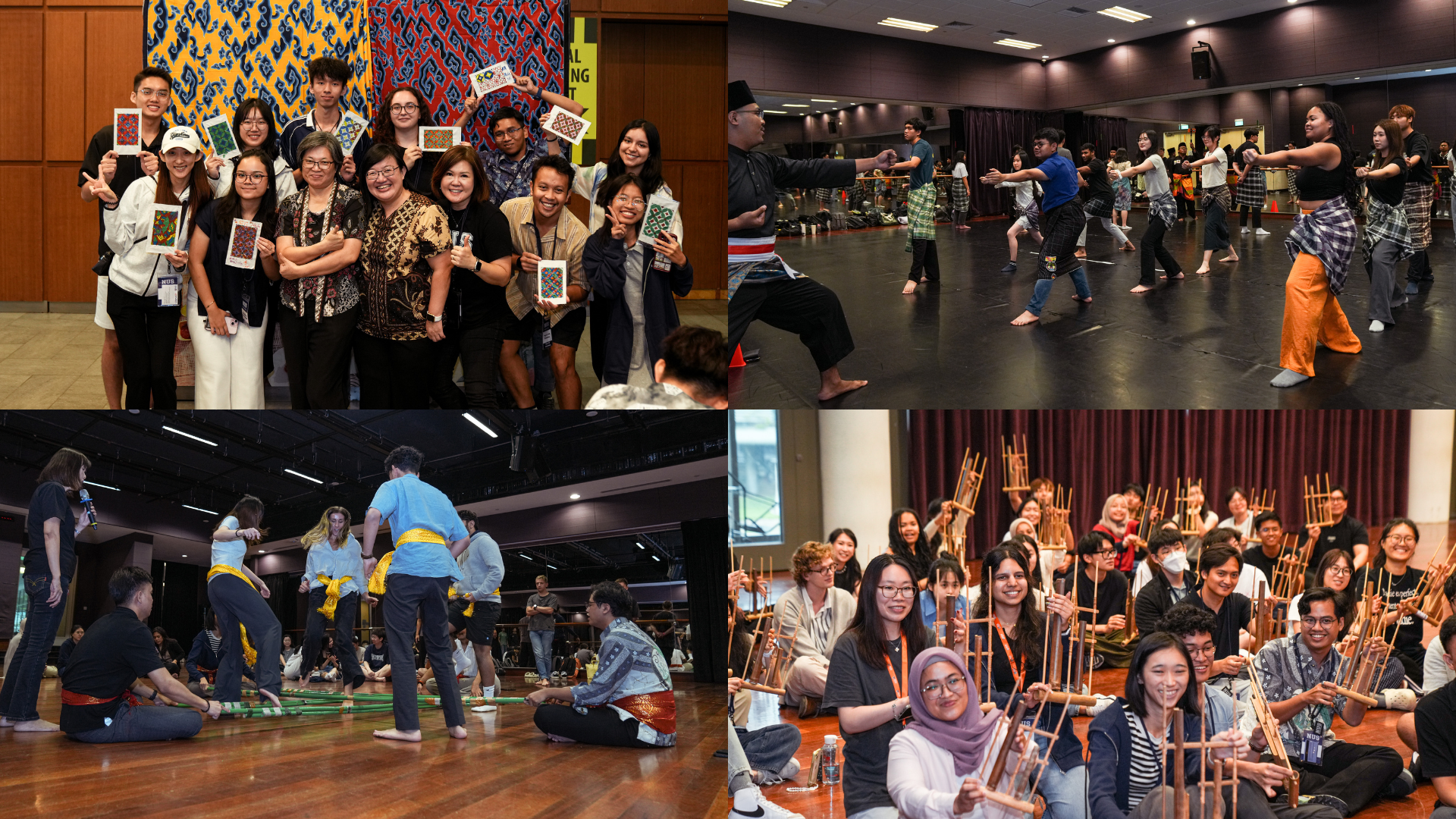
These cultural immersion activities proved more than recreational – they enhanced participants’ appreciation for ASEAN’s diverse heritage, along with their understanding of the business climate across Singapore and the wider Southeast Asia.
As a Student Ambassador and Computer Science major from NUS School of Computing, Neryss approached the programme with a unique lens – not just as a participant, but as someone helping to facilitate a cross-cultural connection. She found new appreciation for Singapore’s multicultural identity while connecting with clanmates from the region as well.
She highlighted her visit to Carousell Singapore as one which reiterated the importance of local market strategies. “Carousell’s founders showed how understanding local nuances drives success,” she said, reflecting on how blending cultural understanding with entrepreneurial vision is key – in Singapore, in ASEAN, in the world.
“And the rest is how you pitch your product!”
Mastering the art of persuasive pitching and storytelling
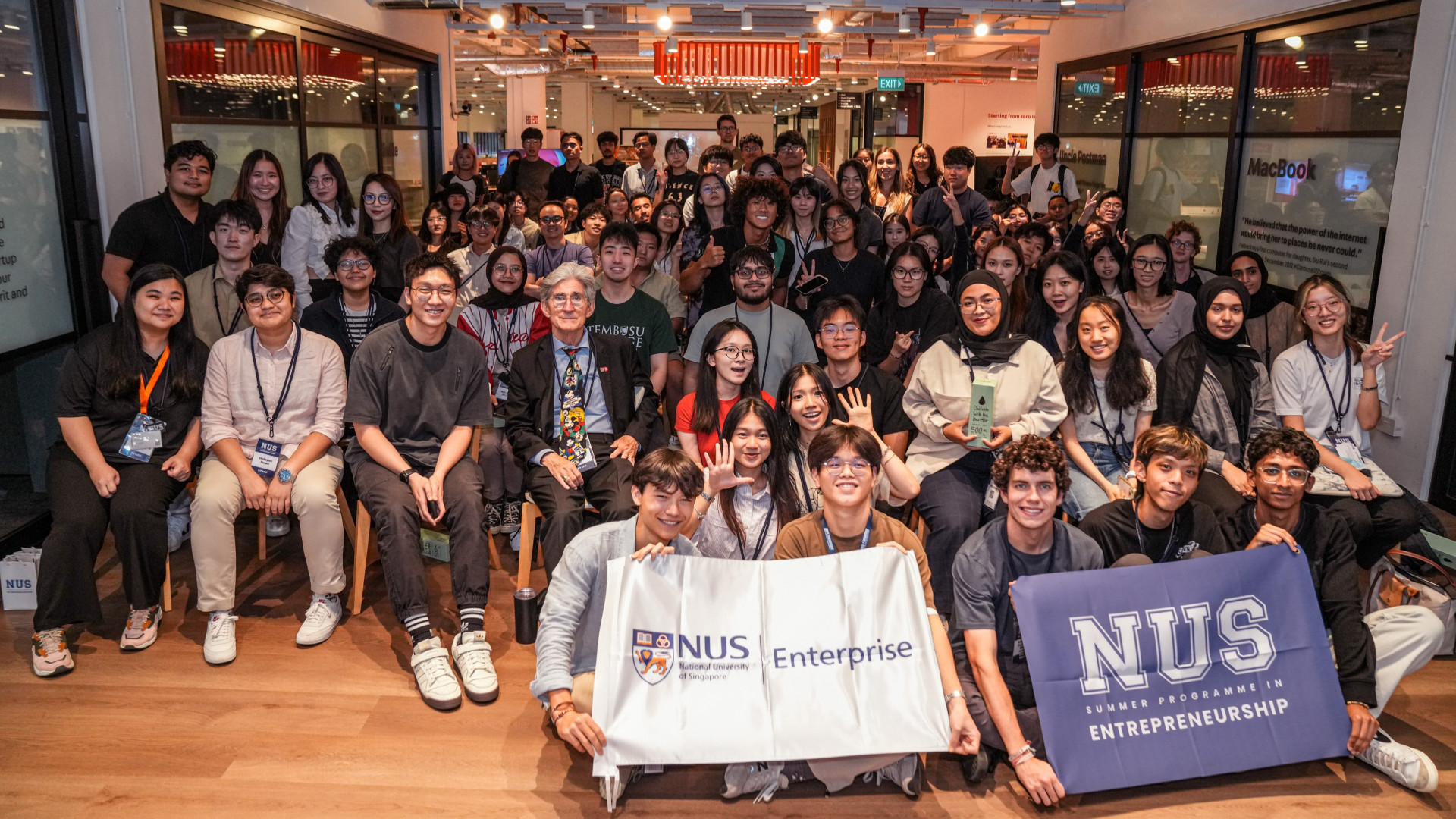
Beyond technical skills and industry insights, the programme culminated in developing participants’ most crucial entrepreneurial skill: the ability to persuasively communicate their vision. Led by the dynamic Mr Kris Childress, Mentor-in-Residence of NUS Enterprise, the pitching workshop helped students learn how to articulate their value proposition with clarity and passion.
Together with his pitch team from HEALTHLINK, Jun Wei worked smoothly with zero friction. “What I felt we did right was that our complementary strengths drove collaboration,” he remarked.
A pivotal mentoring session with Ms Joyce Ng from iGlobe Partners prompted a fundamental shift to a healthcare provider-focused solution. “Joyce’s advice to always listen to teammates and end users reshaped my thinking and allowed me to think deeper about the solution,” Jun Wei reflected.
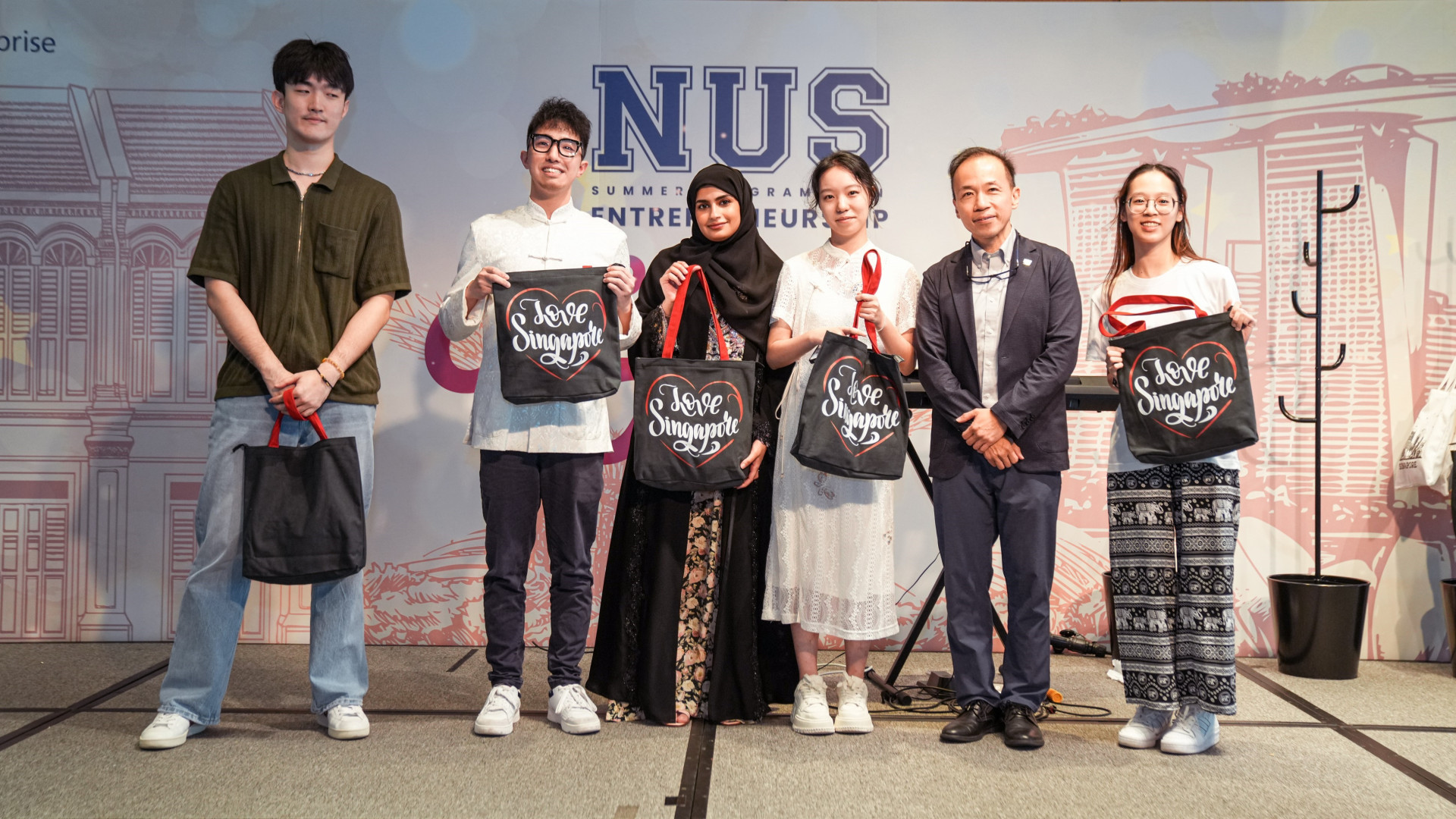
On the morning of Demo Day, nerves ran high as the HEALTHLINK team was worried about the five-minute time limit, but their focus on presenting paid off. “When the results were out later in the day that our team had won, I jumped for joy in the midst of the finale ceremony, fuelled by pure adrenaline. The win, the personalised congratulatory message from Joyce, and the atmosphere of energetic celebrations made the hard work worth it,” he recalled.
Building ventures with purpose
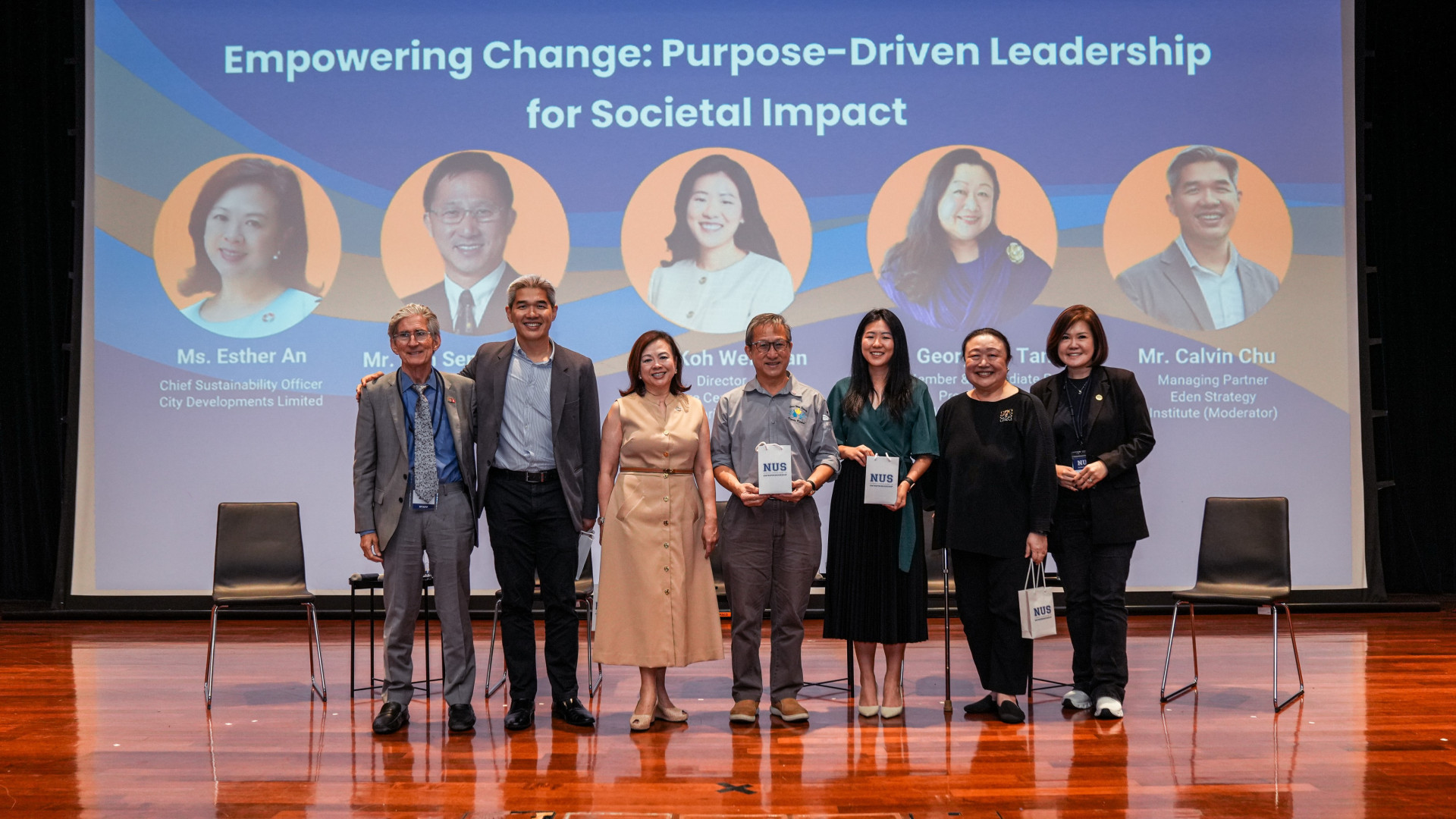
At the heart of the programme was purpose-driven entrepreneurship, inspired by a vision of ventures that drive societal good. A panel with leaders from Dignity Kitchen and raiSE Singapore set souls ablaze, showing how profit and impact can intertwine. Hands-on prototyping sessions brought ideas to life, such as apps for inclusive education and urban sustainability solutions.
Beyond learning to build resilient and scalable ventures, the programme was also about crafting legacies that make a difference in society, using purpose to drive oneself. “Leadership is remembering why and for whom you started,” said Mr Koh Seng Choon, Founder of Dignity Kitchen.
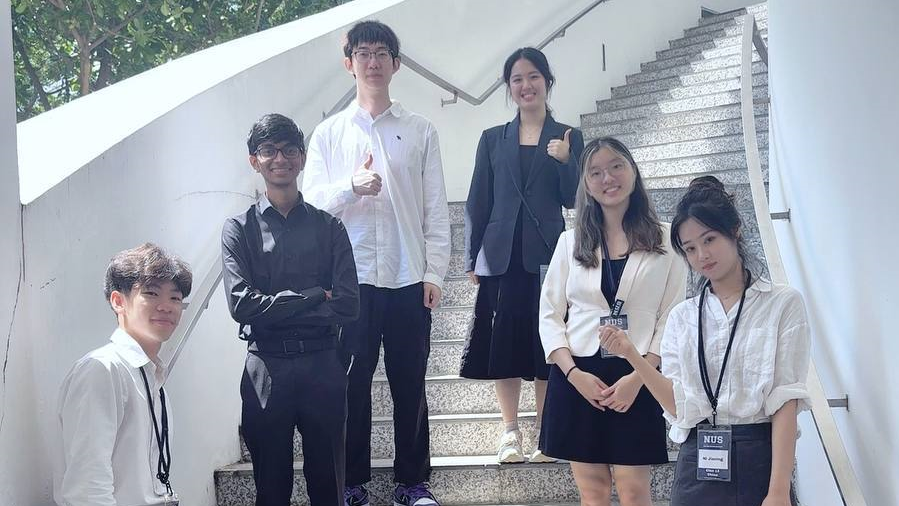
Finding her entrepreneurial purpose through her StepUp team’s pitch, Neryss shared how StepUp, a gamified workshop to teach financial literacy to low-income secondary school students in Singapore, planned to expand across Southeast Asia, where income inequality remains prevalent. “Our team’s synergy was our unique selling point,” she shared, echoing judge Mr Prantik Mazumdar’s observation that a company’s direction may shift, testing the team’s ability to stay motivated.
“That advice led us to focus on financial literacy for secondary school students, simulating their daily choices between wants and needs, unlike broader gamified learning tools,” she said.
Celebrating a global entrepreneurial community
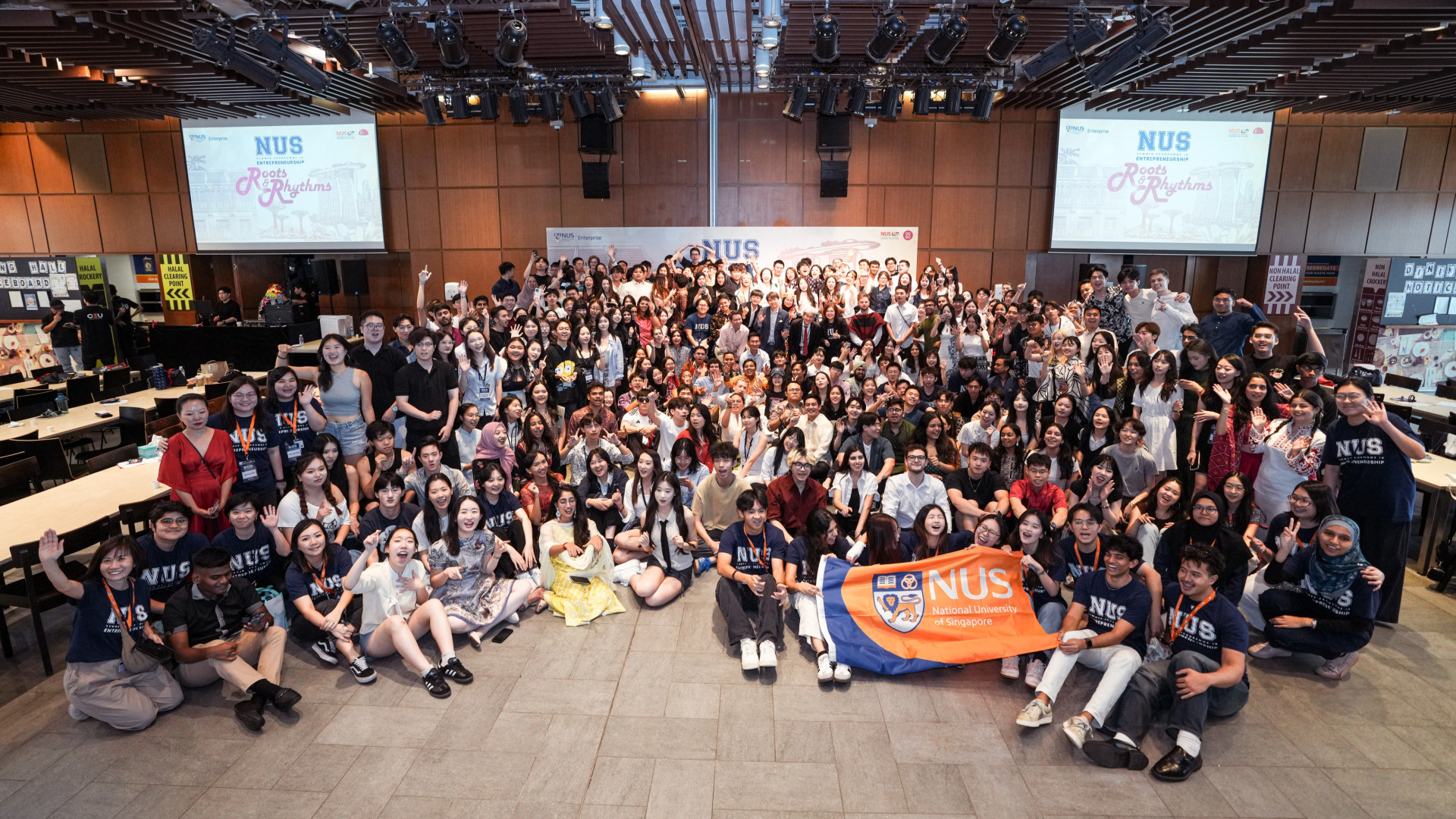
The programme culminated with a grand finale that perfectly captured the essence of the two-week journey. The event featured cultural performances by the students and Demo Day, where teams presented their polished start-up ideas to panels of industry judges and venture capitalists.
From gamified travel apps to sustainable tech solutions, the pitches showcased the programme’s impact on fostering creativity and ambition, as well as the aspiring founders behind the ideas that were brought to life. The event celebrated not only entrepreneurial achievements but also the global connections formed, with participants leaving as part of NUS Enterprise’s vibrant community.
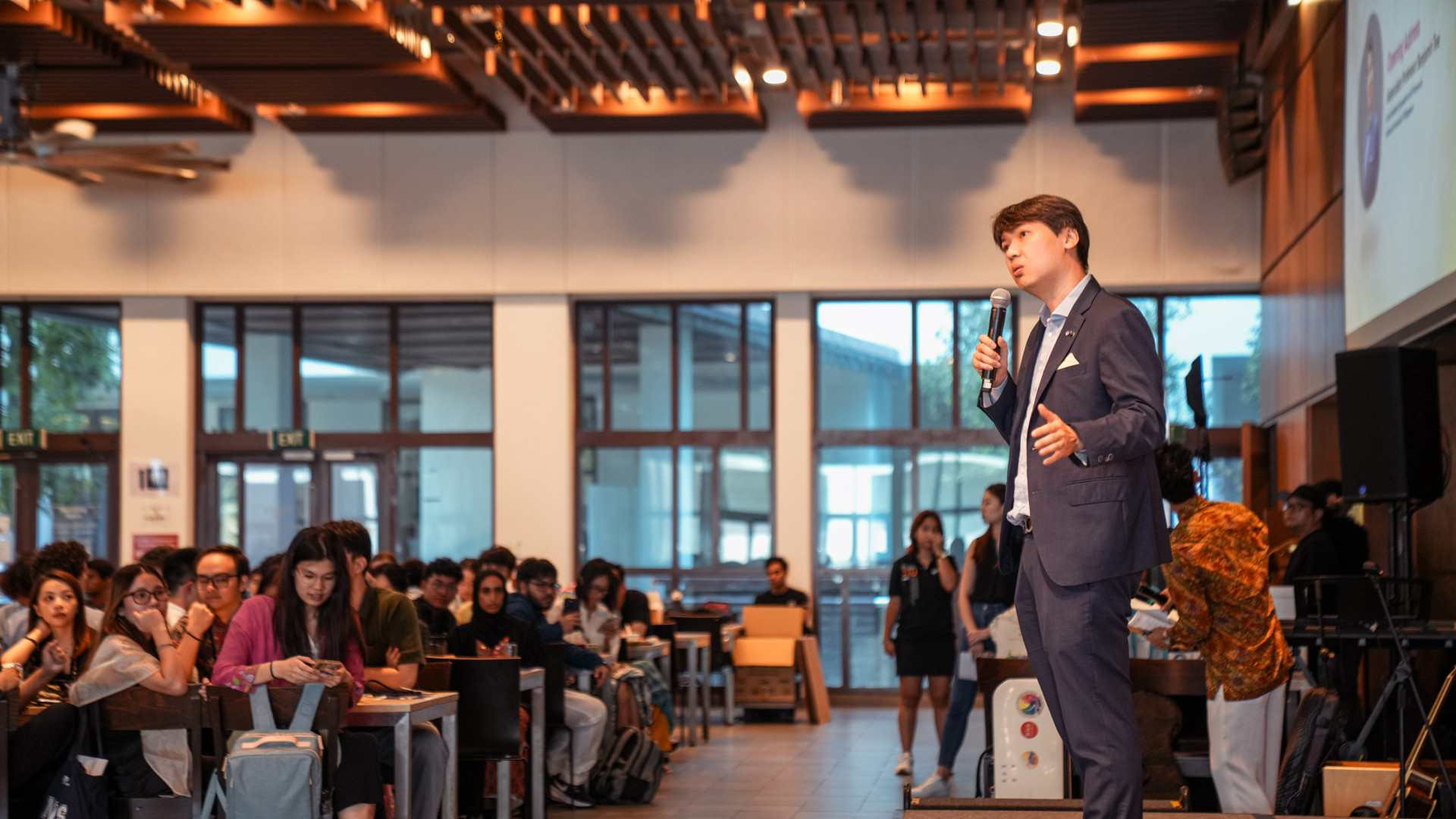
“Regardless of where you’re from, I believe each of you is walking away with not only new entrepreneurial mindsets and skills, but also friendships and memories that I hope will last a lifetime,” Associate Professor Benjamin Tee told the students.
“Many of the founders said that this is an experience where one will experience many challenges and failures, and I want to test my resilience and meet all these ambitious, inspiring people along the way, as at the end of the programme, I realised that entrepreneurship is something that I really want to pursue,” shared Neryss reflecting on the days spent with new friends and the fast-paced life lessons she gained along the way.
Echoing her sentiments, Jun Wei added that the two weeks had taught him more than his previous work experiences. “It ignited a drive to own my ideas and learn from mistakes in the chaos of creation.”
A global network for future innovators
The NUS Enterprise Summer Programme in Entrepreneurship 2025 served as a transformative launchpad for aspiring entrepreneurs. As the students returned home, they took with them not just memories but essential tools, international networks, lasting friendships, and newfound confidence to build ventures that will shape the future.
By NUS Enterprise