From students to changemakers: 15 years of nurturing community leaders at CTPCLC
Having shaped generations of NUS students into community-minded leaders, the Chua Thian Poh Community Leadership Centre reflects on its impact as it seeks new ways for learning and engaging in community development.
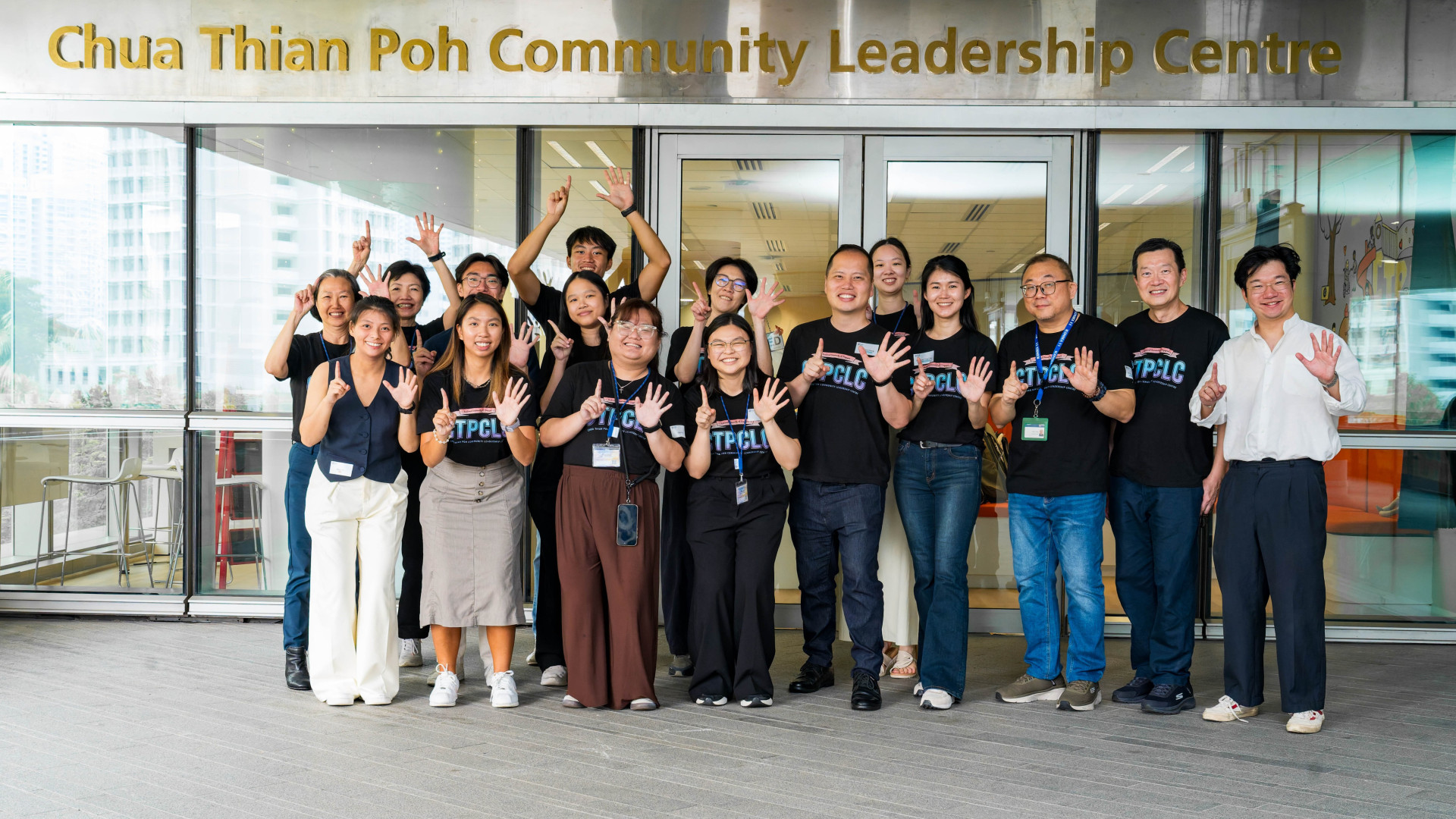
Strong communities do not happen by chance. For 15 years, this belief has underpinned the work of the Chua Thian Poh Community Leadership Programme, which began in 2011 and expanded into the Chua Thian Poh Community Leadership Centre (CTPCLC) in 2017.
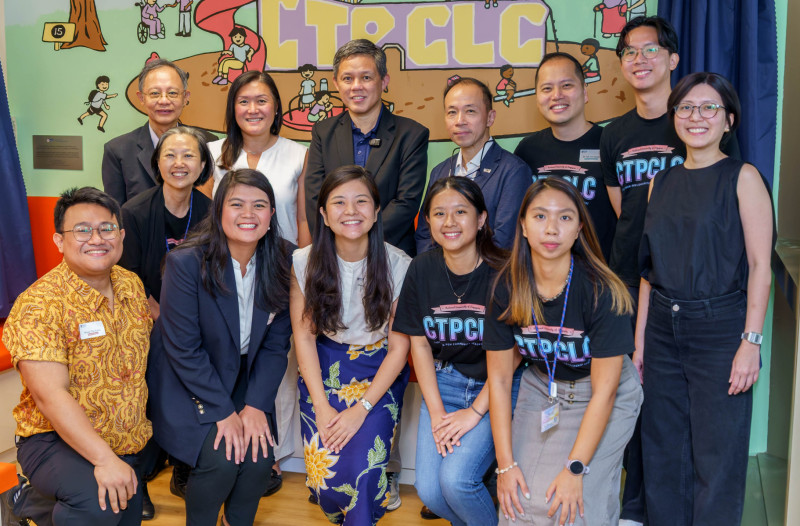
Marking the Programme’s 15th anniversary on 19 September 2026, students, alumni, community partners and supporters came together to reflect on a journey that has taken students beyond learning about communities to learning and working with them.
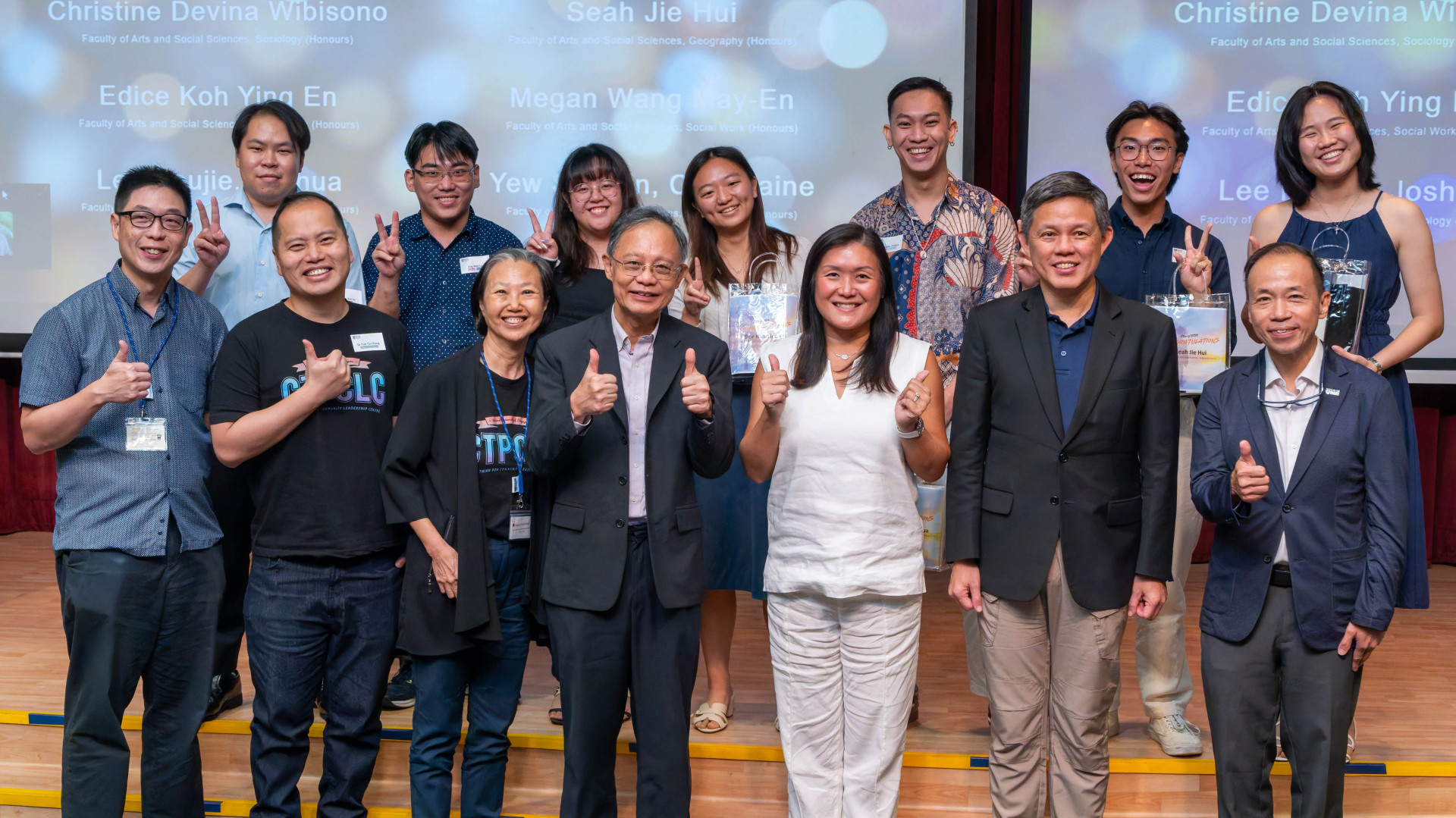
Returning as Guest-of-Honour after having graced the Programme’s inaugural symposium in 2013, Mr Chan Chun Sing, Coordinating Minister for Public Services and Minister for Defence, highlighted the importance of cultivating Singapore’s social capital — the "invisible glue" that brings people together and motivates them to contribute beyond their individual obligations for the greater good.
Building this social capital requires deliberate effort and leadership, he said, and successive generations of young people have an important part to play.
“We want the young people of every generation to be actively involved in this, to have the agency to take responsibility, to take charge of building this,” said Mr Chan.
Learning to work with communities
That emphasis on agency has been part of the Programme’s philosophy from the beginning, following its establishment with the support of philanthropist and Ho Bee Land Founder Dr Chua Thian Poh.
In 2017, Dr Chua extended his support, enabling the Programme to scale and evolve into the Chua Thian Poh Community Leadership Centre.
Reflecting on the Centre's origins, founding director Professor Albert Teo recalled that it was deliberately conceived as more than another service-learning platform. Instead, students would learn community development principles while undertaking applied research on community issues — addressing a gap faced by social service organisations that wanted to better understand the communities they worked with but often lacked the bandwidth to conduct such research themselves.
The aim was not only to equip students with knowledge and skills, but also to change how they approached community work.
"Changemakers cannot and do not empower communities. Changemakers can only create the right conditions for communities to empower themselves," said Prof Teo, who is now Dean of the School of Management at Tung Wah College in Hong Kong.
This thinking informed the Centre's emphasis on Asset-Based Community Development, which encourages students to recognise and harness the assets, resources and strengths that already exist within communities, alongside understanding their needs and aspirations.
Today, CTPCLC offers a Minor and a Certificate in Community Development and Leadership, with close to 300 students enrolled in its courses each semester. To date, 67 NUS graduates have completed the Minor and another 311 NUS graduates have completed the Certificate. Under the Minor programme, students can work on a year-long research project by partnering with social service organisations.
Putting learning to work in communities
For CTPCLC Director Associate Professor Chng Huang Hoon, however, the goal extends beyond the curriculum.
“In some ways, it is an introduction to community development,” she said. “It doesn't matter what workspace you go into. It’s the mindset that you are bringing into that workspace — to be community-minded, to be people-centric.”
Such a mindset is developed through opportunities for students to work on real issues alongside community partners.
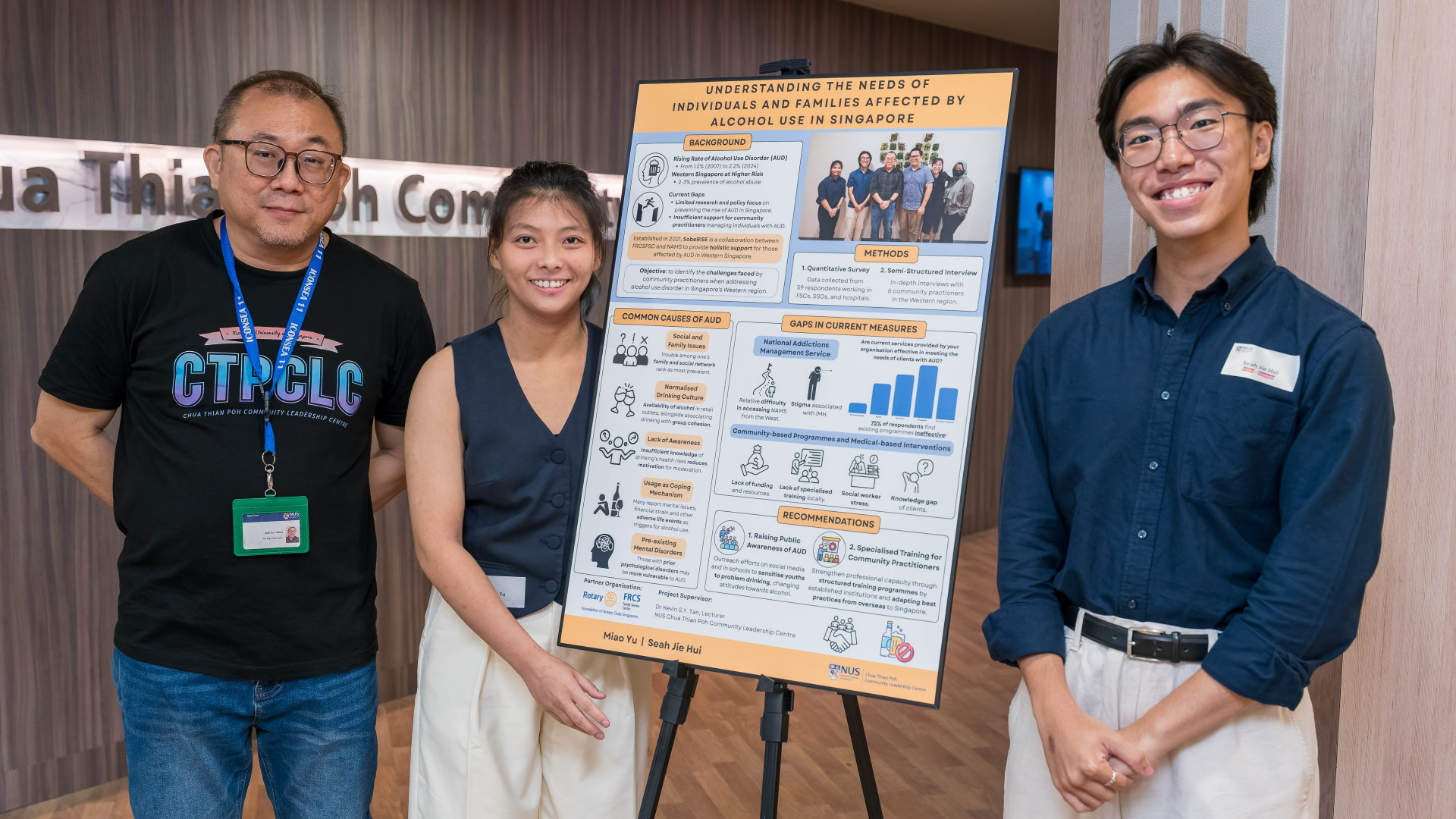
Year 3 Nursing student Miao Yu and Year 4 Geography student Seah Jie Hui, for example, partnered with the Foundation of Rotary Clubs Singapore Family Service Centre (FRCS FSC) in 2025 and 2026 to examine how it could better support individuals and families affected by alcohol use.
The pair interviewed community practitioners, including medical social workers and social service agency staff, and gathered survey responses from healthcare and social service organisations in the Western region of Singapore.
For Jie Hui, the experience changed his understanding of what research could achieve.
“One of the FRCS FSC staff told me that what we did wasn’t just research. It was advocacy. And that stunned me,” he recalled. “I realised that this work really impacts people, and it might impact even more people if it is scaled up.”
For Miao Yu, the lessons have carried directly into her nursing training. During clinical attachments, she now pays closer attention to patients’ social connections and the support available to them after discharge, bringing a community lens to clinical care.
“I will further explore the needs of the community in the future and bring it back to my own major… to support people in the community when they are hospitalised and even give back to the community and the people around me,” she said.
A community mindset beyond graduation
These experiences stay with students long after they leave NUS.
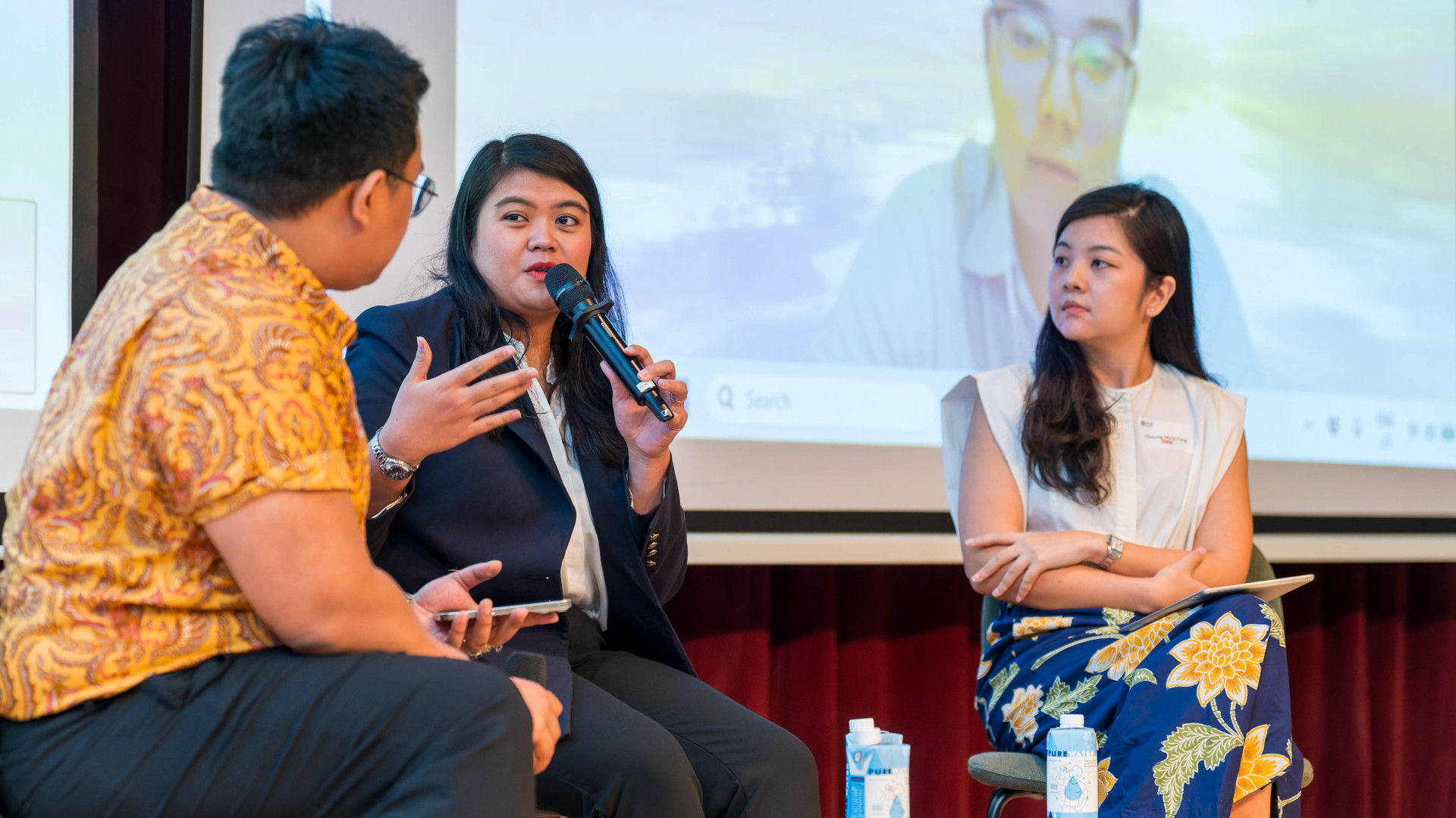
At an alumni panel held as part of the anniversary celebration, CTPCLC graduates reflected on how the perspectives they developed as students continue to shape their careers and community involvement.
Ms Cheong Ming Fang, a 2021 graduate and now Senior Manager at philanthropic organisation The Majurity Trust, said her CTPCLC experience continues to inform how she approaches her work with donors, non-profits, grassroots groups, social enterprises and charities.
“It has informed the way I think,” said Ms Cheong, who also teaches part-time at the NUS Department of Social Work.
For Ms Adriana Rasip, who was from the 2016 cohort, an applied research project changed the way she viewed the communities she works with. She learnt to see communities “not as passive recipients of help or assistance, but as active agents of their own change”.
Today, Ms Rasip is an Assistant Director at Singapore Children’s Society and the Co-Founder and Board Chair of Empowered Families Initiative, which works with less-resourced families through grants, savings matching and peer-support collectives.
Her reflection echoes the philosophy Prof Teo described from the Programme’s earliest years: sustainable community development starts not by assuming that change must be delivered to communities, but by recognising their strengths and enabling people to play an active role in shaping the changes that affect their lives.
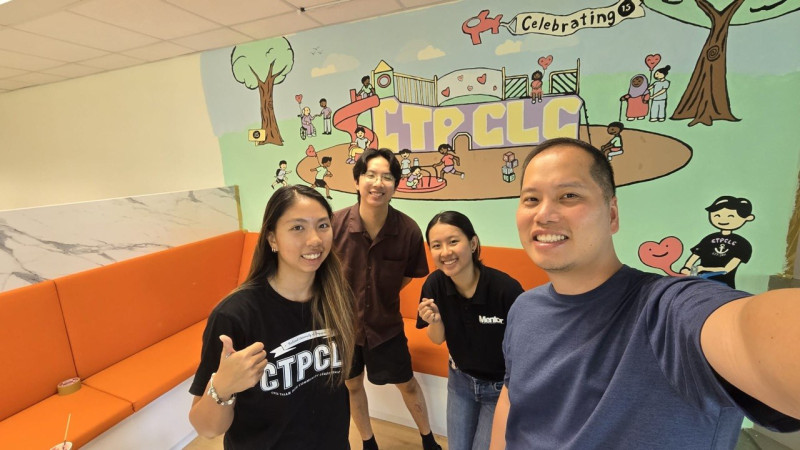
This spirit of community finds expression in a mural created to commemorate the anniversary.
Led by three CTPCLC students Tan Kia Shuang (Year 3, Geography), Yeow Zong Wei (Year 4, Environmental Studies) and Yap Yu En (Life Sciences ’26), and designed and painted together with students, staff and alumni, the mural depicts people coming together around a familiar Singapore playground.
“We decided on a playground, a quintessential community space in Singapore, because it's where we learn and build connections,” said Zong Wei. “It embodies a shared vision of a harmonious and inclusive society.”
New pathways in learning community leadership
As it enters its next chapter, CTPCLC is looking to create more avenues for students to learn about and participate in community development.
The Centre will be offering a new course entitled “Building communities for collective impact” in January 2028 under the newly launched Master of Science (Social Impact & Nonprofit Leadership) Programme hosted by NUS School of Continuing and Lifelong Education.
From 2027, CTPCLC also plans to introduce an internship as an alternative to the research project, giving students another pathway to apply their learning with social organisations.
For Assoc Prof Chng, however, the measure of CTPCLC’s impact will ultimately remain with the people who pass through its programmes — and what they subsequently contribute to the communities around them.
“For us, success is defined by how well our students and alumni show up in the community and the work they do as community builders,” she said.
“We want to keep on trying to expand that, to have more and more graduates going into the community space, so that they can become changemakers and leaders in the field.”
This story is part two of a two-part series about the Chua Thian Poh Community Leadership Centre at NUS, as it celebrates the 15th anniversary of its programme this year. Read part one, “From knowing to doing: NUS academics and students drive impact through community research”, here.