


Making sense of loss: Studying crises through the lens of the tragic

 In this series, NUS News highlights the University’s innovative teaching strategies, spotlighting the educators breathing life into the lessons in unique and innovative ways.
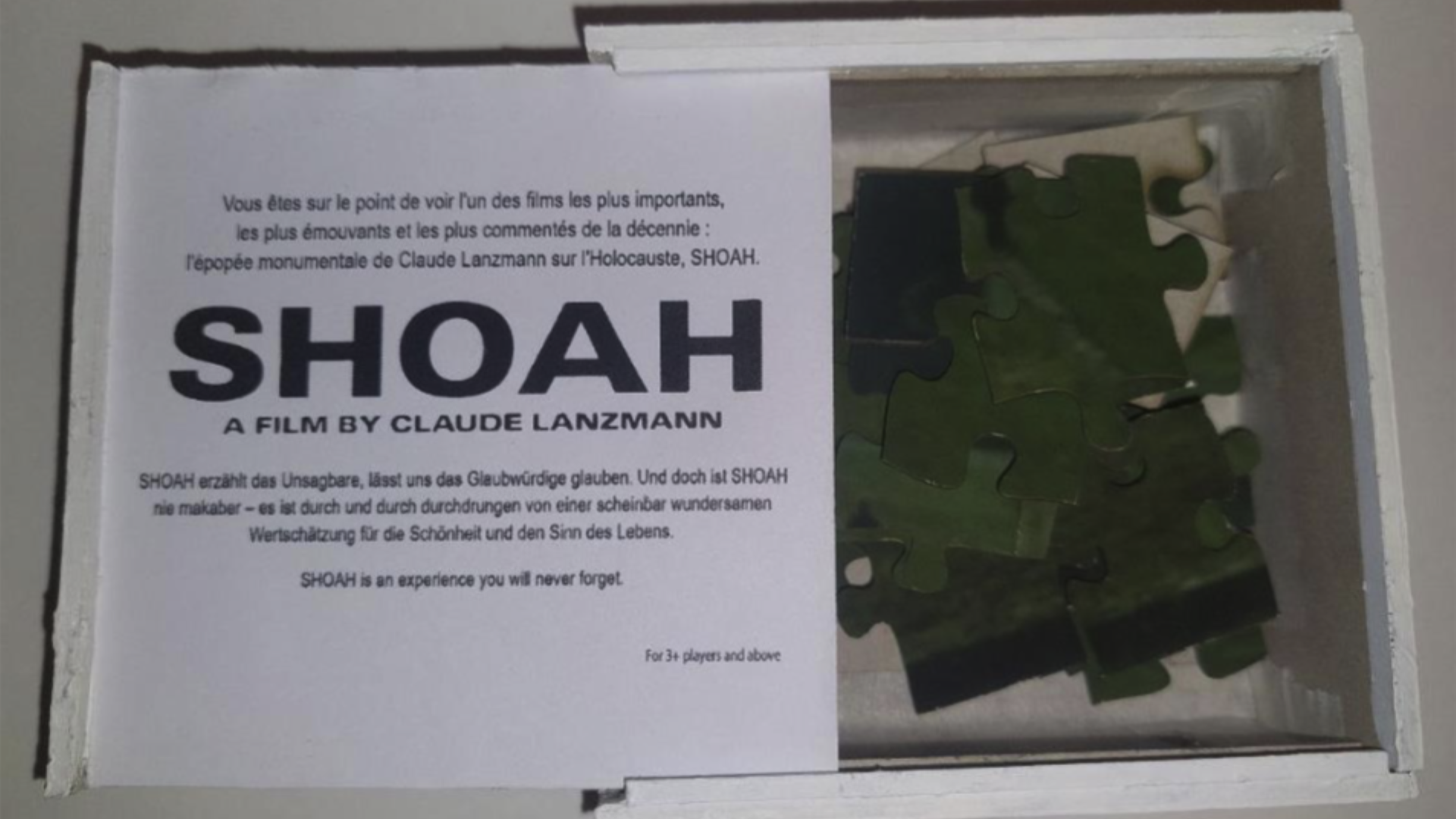
The jigsaw puzzle, based on the documentary Shoah about the Holocaust, does not fit together, and can never form a whole, cohesive picture.
This was the intention of the student who created the artwork for an assignment. The message: that there are manifold subjective perspectives to history, not all of which can be captured in full by any single work of art.
This is a key point that Dr Roweena Yip underscores in her course, NHS2070: Tragedy, Culture, and Society, which applies the themes and elements of the classical tragic genre to art developed around the disasters of our time — including The Great Depression, the Holocaust, and the Cambodian genocide under the Khmer Rouge regime.
Tragedy is a genre she is familiar with, as a researcher in theatre and performance studies. While the term can be traced back to ancient Greek performances, “tragedy” nowadays often refers to sorrowful and disastrous events, noted Dr Yip, an NUS College lecturer.
Fascinated with how the classical term, so specific to her discipline, is now increasingly deployed in reference to contemporary disasters, she decided to create the course to examine the intersection of art and history, study crises through the lens of the tragic genre, as well as parse the idea of the positionality of modern witnesses to human suffering through time.
“I'm not going to go so far as to say that through knowing (tragedies), we are better placed to prevent them, although I hope that it's true,” she said. “But through nurturing the next generation who are going to inherit the world from us, (I hope) they can make it a better place than what they've received.”
Different mediums, different experiences
It’s not common to gain exposure to so many different art forms at once, but for students to better understand these historical tragedies through art, Dr Yip has chosen a diverse range of media, from theatre performances to graphic novels and animated films. Students discuss these texts in her seminars, steeping themselves in the consciousness of an event as consumers of art and representation.
Students also get the opportunity to head out for an excursion during one of the seminars, to experience the course material in person. One example was of the World War II exhibition in the former Ford factory at Upper Bukit Timah Road, a key location during the Japanese Occupation of Singapore that is imbricated in collective national memory. Students were tasked to write a reflection on their sensory responses to it, with one student noting how she felt overstimulated and disoriented by newspaper headlines placed high above their eyeline — a reaction unique to experiencing the exhibition in person.
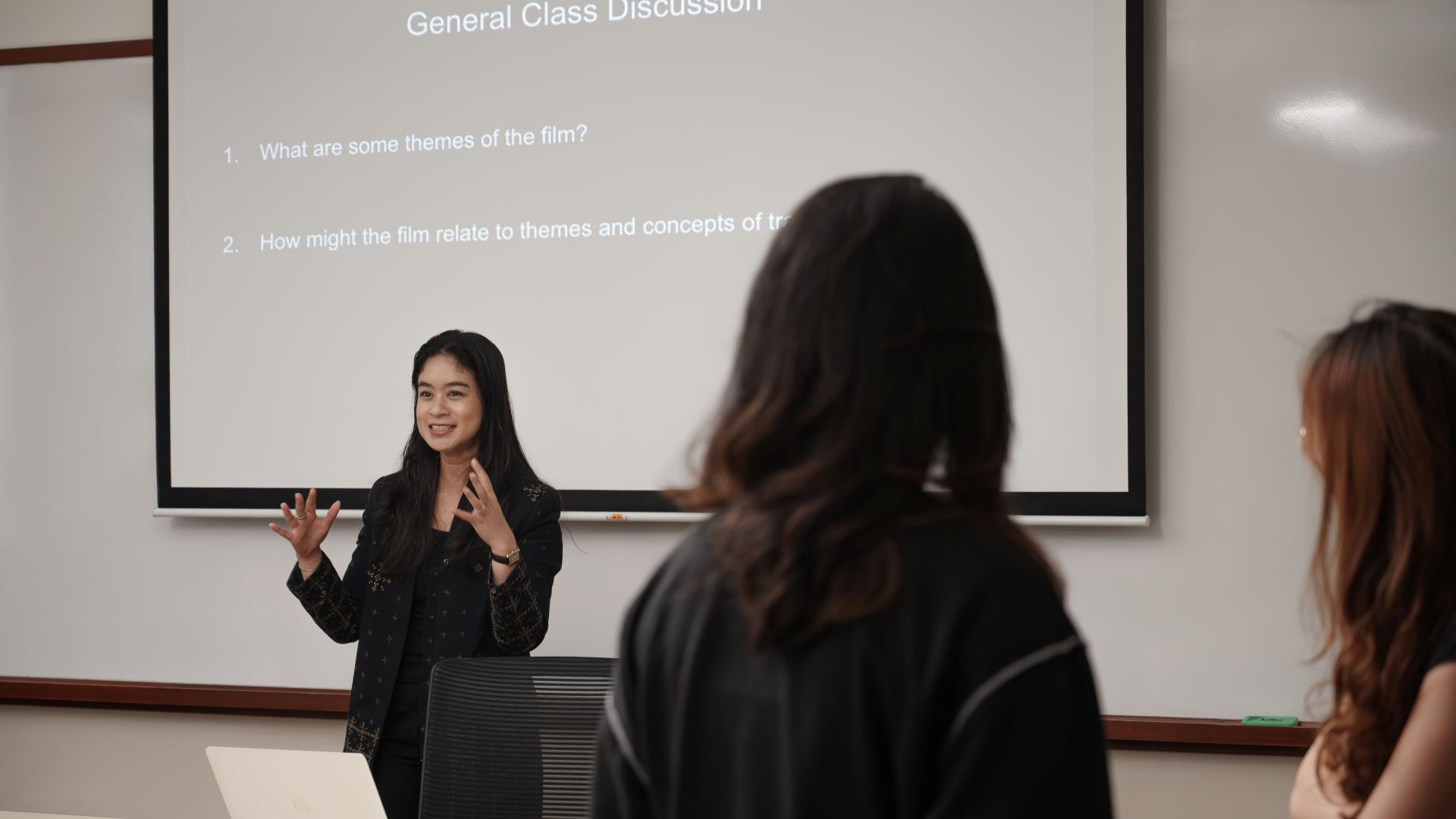
Dr Yip’s regular lessons are discussion-based, where she tries to create a safe space so students, confronted with the evidence of human loss and suffering, can speak freely about such heavy topics. While classes are sometimes subdued, she does not mind.
“That’s okay, actually, to sit with the discomfort and heavy feelings that we all have,” she muses. “It's learning to process emotions of discomfort, to engage with things that are unfamiliar, uncomfortable, troubling, painful, and that itself, I would argue, is pedagogically valuable.”
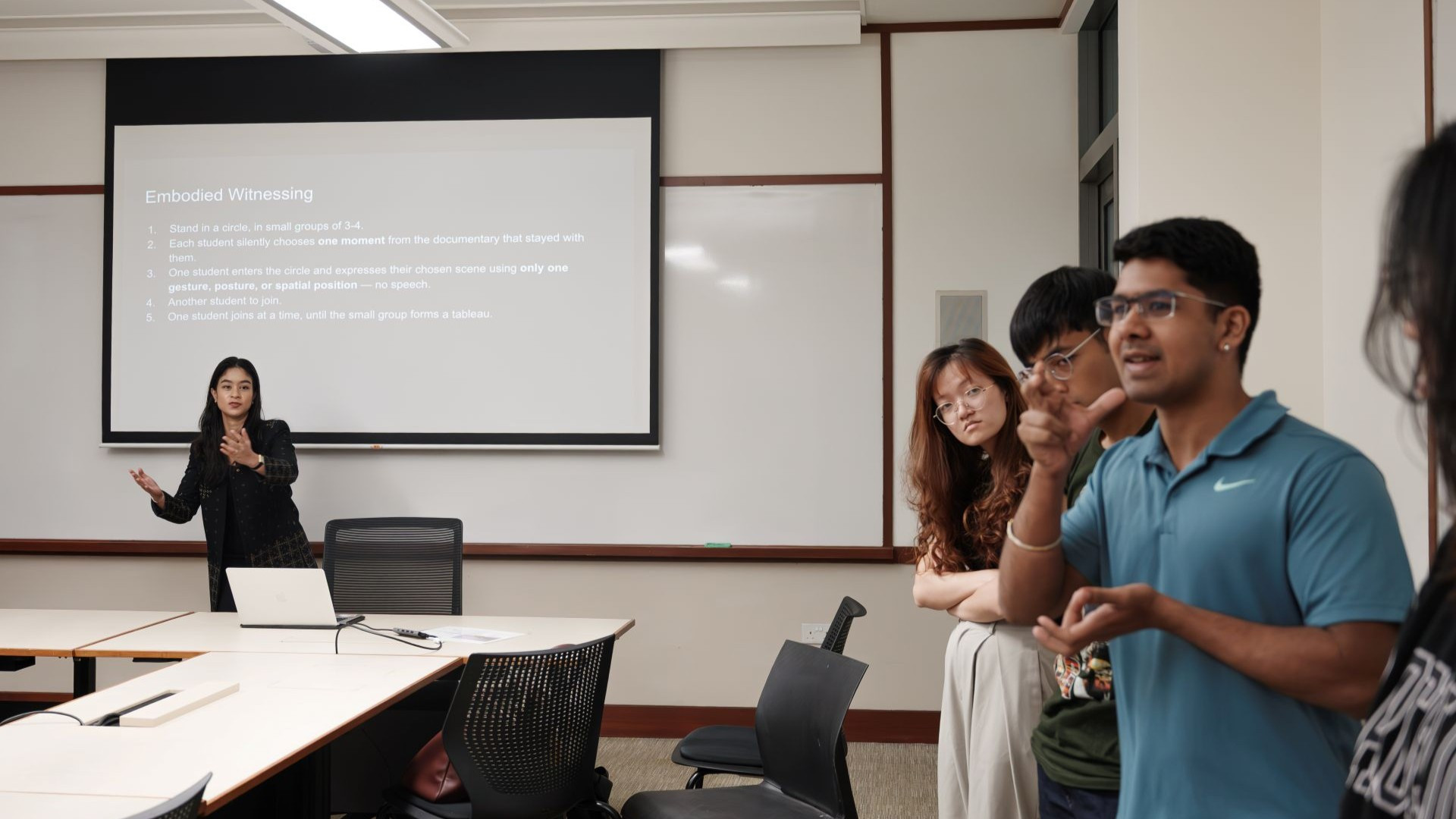
Analysing different art forms also provides diverse experiences and can elicit varying reactions, from the immediacy and visual nature of a film to the tactility of physical monuments. The Studio Ghibli animated film Princess Mononoke, for example, provides a more visual and fantastical window into the climate crisis, while firsthand survivor testimonies and oral histories provide personal and emotional perspectives on crises.
The experience when examining these tragedies changes with the medium, allowing students to explore tragedies through not just an objective sociological and historical lens, but also a subjective artistic one where the form reinforces the content, and art becomes a vehicle—one of many truths—through which to witness the pain of victims.
Relating to the unrelatable
Stepping out of one’s comfort zone is not easy, but the course encourages it. Besides exploring the representation of tragedy in art, students see the perspectives of both the artist and the audience. In the process, Dr Yip hopes they also gain empathy.
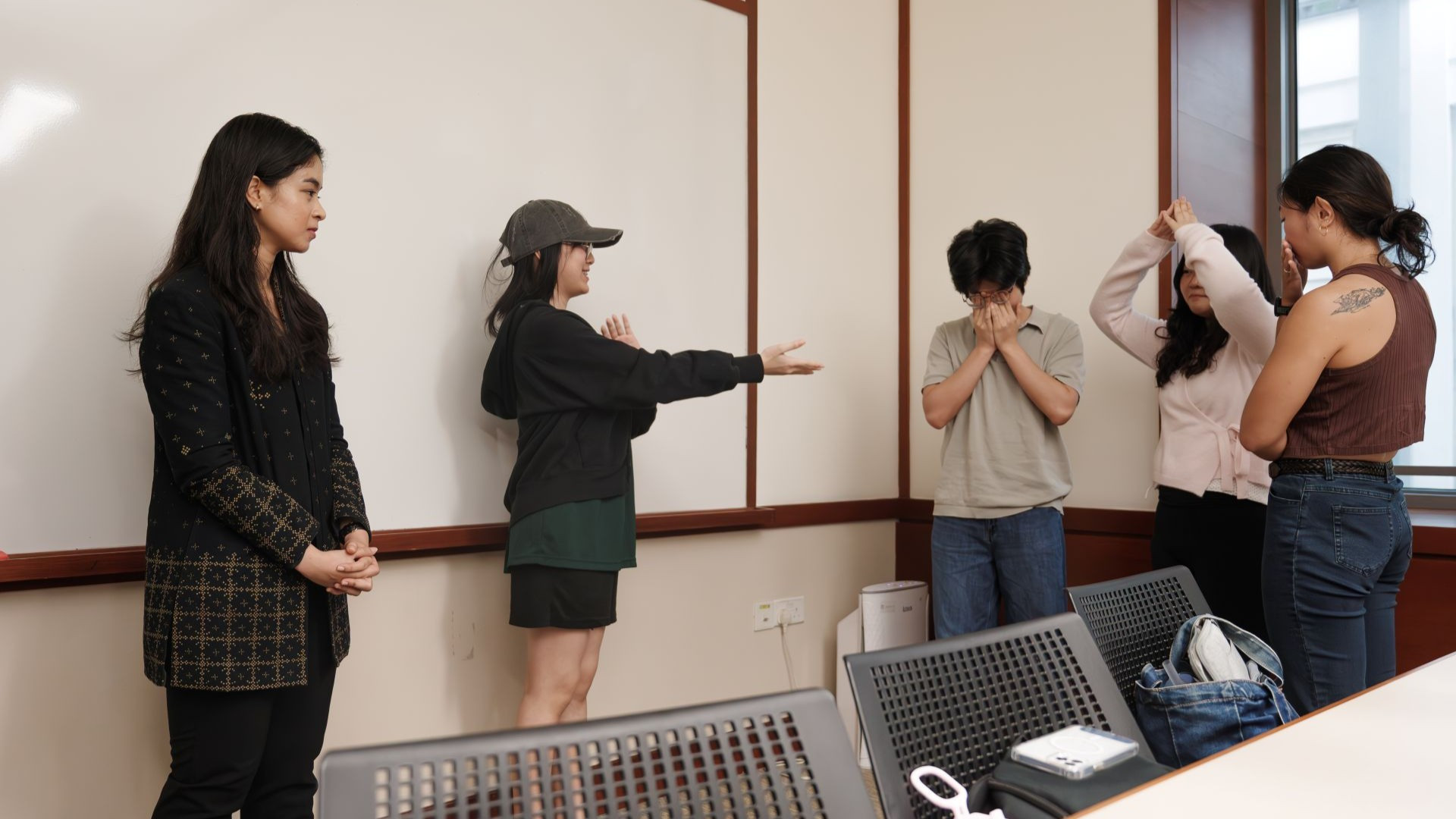
But responding to a tragedy that you cannot relate to can be a challenge. To bridge the gap, she offers not just texts about historical events that students are spatially or chronologically removed from, but also those about recent, lesser-documented regional events closer to home. This helps students to engage with events even as outsiders.
“When we go beyond something comfortable and familiar, that is where we realise that people have had very different experiences from us, and we can exercise that empathy which art precisely allows us to do,” she said.
Indeed, students have surprised her with their innate capacity for empathy. In a discussion about photographs of The Great Depression, Dr Yip had expected responses to revolve around the 1930s, but students expressed the same anxieties the photograph’s subjects did due to contemporary concerns about the human condition in an increasingly fraught world. That lesson afforded Dr Yip a window into the younger generation’s perspectives, psyche, and outlook on life.
“If not for the class, I wouldn’t have known how they are feeling as young people. It has been very illuminating to see what the students come up with, both in their formal assignments and also more informally during class discussions,” she said.
Indeed, if the role of the tragic art form can be understood to be forming community to help people process grief and pain, then the participants of NHS2070—teacher and student alike—have come away from the course with their own community forged through understanding and common experience.
