NUS students go behind the scenes for industry insights from Asia’s emerging economies

In 2024, nearly 200 students across diverse faculties and majors set off on seven different week-long study trips to exciting, fast-growing economic hubs in Southeast Asia, India, and China – returning with fond memories and lessons that have left an indelible impact.
These study trips are part of the Global Industry Insights (GII) course organised by the NUS Centre for Future-ready Graduates. A credit-bearing course that brings learning to the regional stage, GII trips are characterised by deep industry exposure via immersive company visits, structured networking events with regional employers and practitioners, and cultural appreciation activities to learn about local life and culture. Through these trips, students gain global perspectives, learn about the career opportunities that lie beyond Singapore, hone skillsets that would poise them for success on the global stage, and develop a deeper appreciation for diverse cultures.
Immersive, behind the scenes company visits
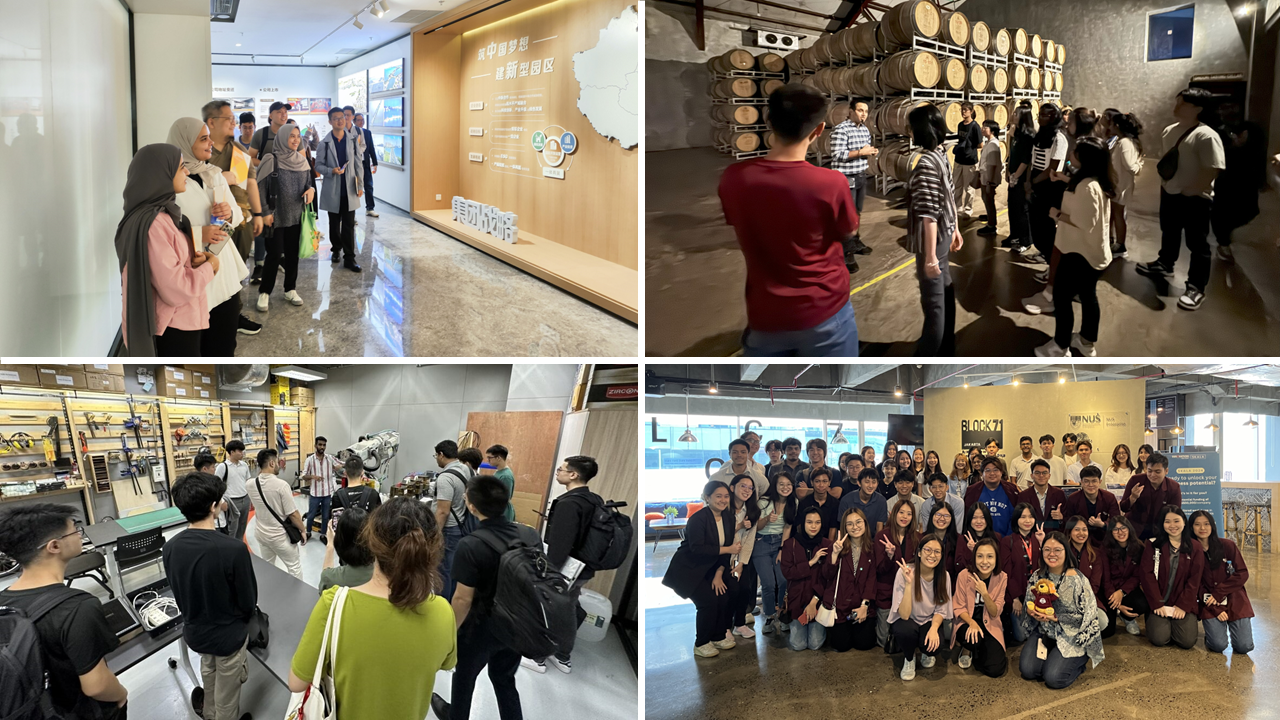
A hallmark of GII trips is the chance to visit multiple companies within a short span of time, regardless of the country visited. On each trip, students visited an average of six to eight companies across diverse industry sectors. They also had a unique opportunity to learn about Singapore’s presence in these countries by visiting the regional outposts of homegrown companies.
The highly immersive nature of GII company visits allowed students to go behind the scenes to learn about the inner workings and ground operations of each company. With students across faculties and majors participating in each trip, they broadened their horizons through multidisciplinary and interdisciplinary learning and gained exposure to industry sectors outside their core fields of study.
In China, students toured the Suzhou Industrial Park (SIP), a visit of timely significance given the 30th anniversary of this inaugural government-to-government project between Singapore and China this year. Besides learning about the SIP, students had the opportunity to visit a number of start-ups housed within the Park. At Qichacha, students gained an understanding on how a business information platform could tap on AI cloud technology and data analytics for live database updating of company profiles with information such as credit scores, risk analyses, benefitting investors and consumers; and at GAREA, a health-tech company, students learnt about medical technology in areas such as telemedicine and chronic disease management.
Over in India, students visited Sula Vineyard, one of India’s pioneer vineyards, located in the city of Nashik in the state of Maharashtra. While touring the grounds of the expansive 2,800-acre vineyard, students gained insights into the wine business and observed the entire winemaking process – from harvesting and crushing the grapes to fermentation, clarification, ageing and bottling of the wines.
Reflecting on his trip to Indonesia, Chan Ger Teck, a Year 2 NUS School of Computing student said, “Being able to glean insights into another market, contrast the differences, and experience and understand various industries through company visits in Indonesia was greatly valuable and special. It was also a great chance for me to interact with students of other majors and seniority.”
Host companies similarly found these visits fruitful. Mr Quek Kwan Yi, the Chief Operating Officer of Q Industries and Trade Joint Stock Company in Vietnam commented, “Through the visit, students got to learn first-hand from a hospitality trading company such as the hotel procurement function and its perspectives, and gain insights into Vietnam’s economic growth and opportunities.”
Airbus Chief Representative to Thailand, Mr Bert Porteman said, “The visit to our Thailand office was designed to expose students to the operations behind one of the world’s leading aerospace manufacturers. Through our partnership with NUS, we offer students unique opportunities to gain industry exposure, interact with aerospace professionals, and participate in Airbus-driven projects. This collaboration aligns with our goal to nurture future talent and equip them with the skills needed in a rapidly evolving aerospace industry.”
Engaging with regional employers and practitioners
Many students aspire to live and work abroad but may have little idea how to realise these ambitions. At the GII networking events, students learnt first-hand from industry attendees about living and working in these countries, deepening their knowledge of what building a career and life overseas might look like. They also heard from senior company executives who shared their perspectives on the local industry, economy, and careers.
Besides meeting industry practitioners, students who participated in the GII trip to China also had the opportunity to interact with students from NUS Research Institute (NUSRI) Suzhou’s “3+1+1 programme”, forging a foundation for continued bilateral exchange as the latter will eventually head to Singapore for their further studies.
Many students gained fresh perspectives about overseas careers through their GII trips, with some forging meaningful connections that became handy as they later sought overseas internships. One such student is Gabriel Chua Ee-An, a Year 3 NUS Faculty of Arts and Social Sciences student who participated in a GII trip to Cambodia earlier this year. During the trip, he visited Profitence, a boutique consultancy firm in Phnom Penh, eventually securing an internship with the company and working on projects in collaboration with organisations such as the World Trade Organisation.
“GII introduced me to opportunities I had not previously considered, such as interning abroad. I gained insights into overseas work environments, which inspired me to pursue an international internship. This decision led to a memorable and enriching internship in Cambodia where I developed both professionally and personally,” said Gabriel.
Building an appreciation for diverse cultures
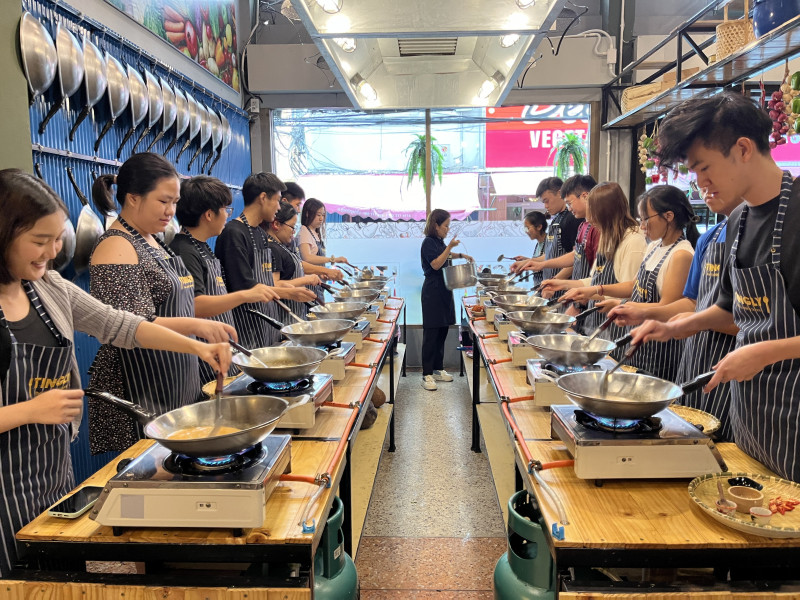
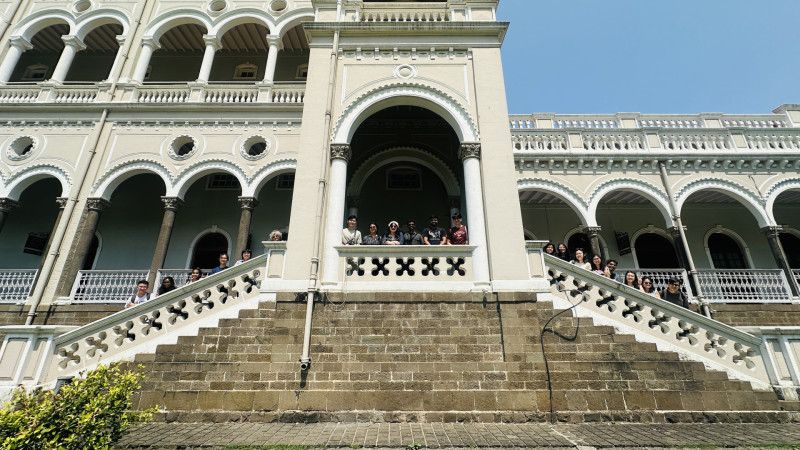
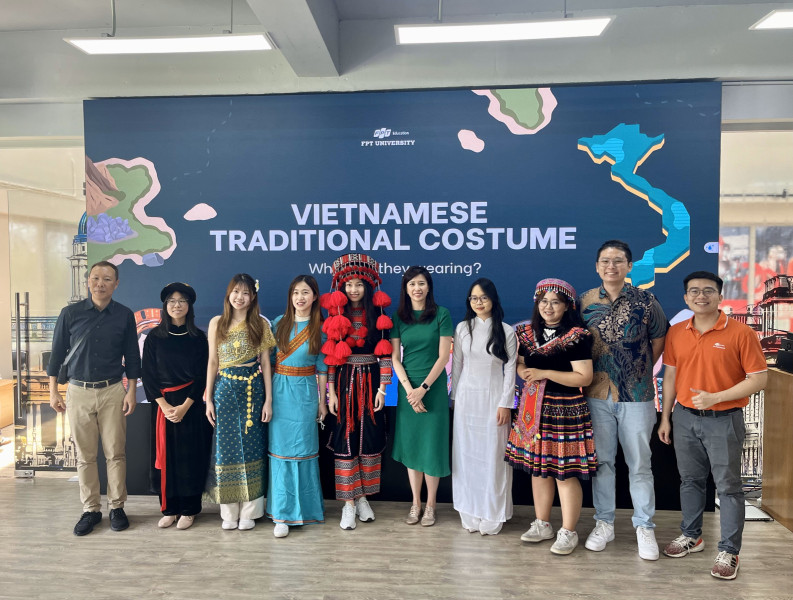
Besides broadening their career horizons, students participated in cultural activities such as making local crafts, preparing and sampling local delicacies, and guided tours to historic and cultural sites. During pockets of free time, the more adventurous students formed groups to further explore the local cities and culture. With the world becoming increasingly interconnected, students learnt to appreciate the value of cultural diversity and understand how they can thrive and contribute as global citizens.
Avantika Velliyur Nott, a Year 2 NUS Faculty of Science student, said of her GII trip to India: “This course offers a unique opportunity to travel to other countries, experience different cultures, get exposure to multiple industries and interact with a wide range of company representatives; this is something one is not likely to get access to in any other way. This trip leaves you with a larger network, deeper understanding of a country's economic and sociocultural landscape, opening up more future possibilities.”
In pre- and post-trip surveys, students shared that participating in GII trips has not only enhanced their technical skills and knowledge, but also their grasp of and confidence in critical life skills ranging from communication, innovation, curiosity and independent learning to interdisciplinary knowledge and skills.
The GII course was launched in 2021 during the height of the COVID-19 pandemic, with virtual study trips to Indonesia and Vietnam. In 2023, the first physical overseas study trips kicked off, with students heading to Indonesia and Thailand.
“This year, GII has greatly expanded its footprint, with students travelling to Indonesia, Thailand, Vietnam, Cambodia, India, and China. We are excited that more students can look forward to benefitting from GII in the year ahead, with the course pioneering trips to countries like Malaysia and Philippines, and several trips broadening to encompass multi-city itineraries,” said Ms Joan Tay, Senior Director, Centre for Future-ready Graduates.
Learn more about the Global Industry Insights (GII) course here.
By NUS Centre for Future-ready Graduates