


TF-NUS PLUM 2024: Navigating a new paradigm of university education beyond academics
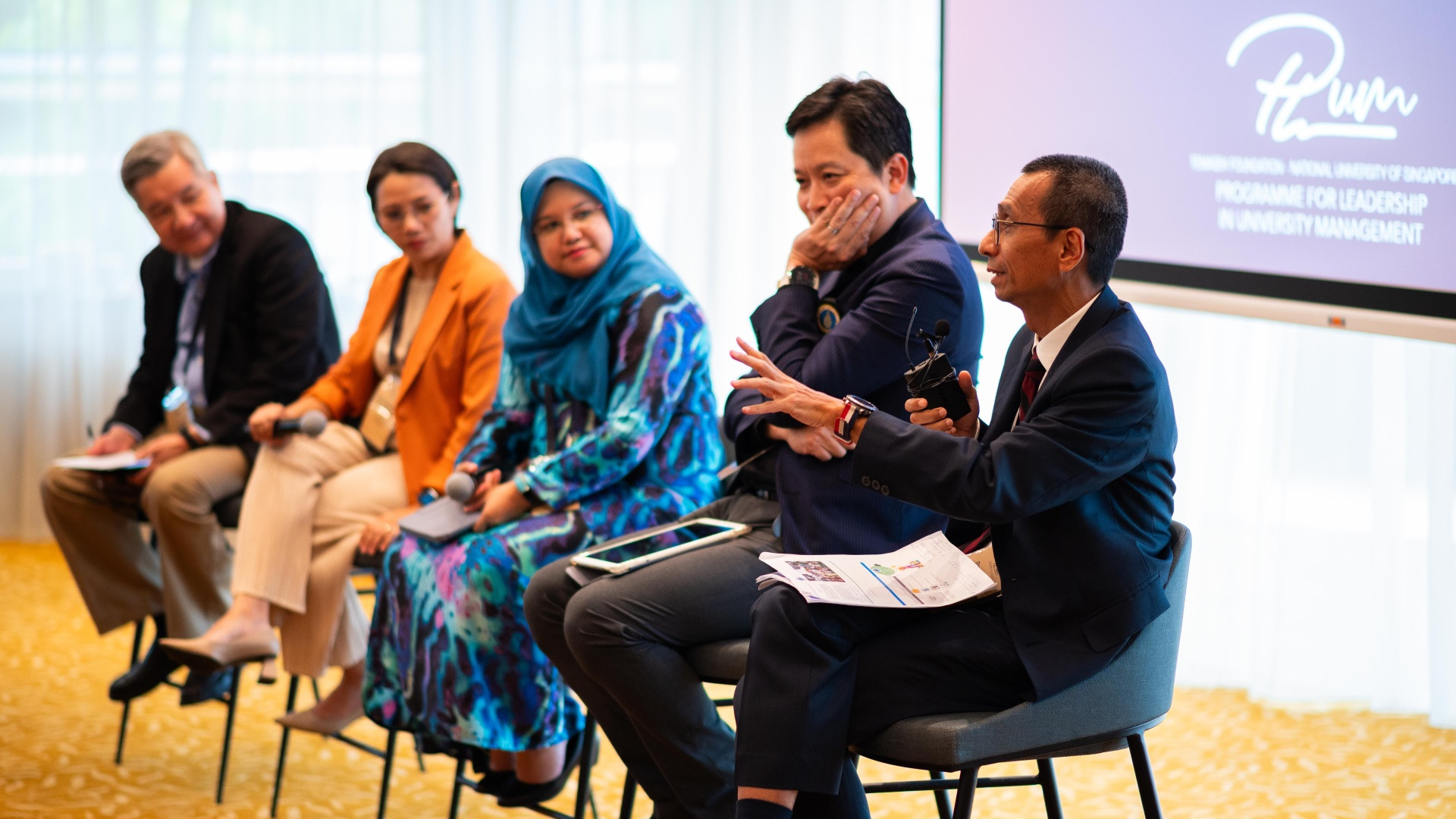
The theme of navigating the role of Artificial Intelligence (AI) in universities took centrestage once again on the second day of the eighth edition of the Temasek Foundation – NUS Programme for Leadership in University Management (PLUM)’s three-day programme.
Leading the participants to consider the inevitable and growing presence of generative AI in the classroom was Associate Professor Kan Min Yen, Vice Dean of Undergraduate Studies at NUS Computing. Assoc Prof Kan highlighted the importance of self-mastery and ownership, particularly, in understanding what AI is and how it works, so that leaders and teachers may be able to assess how best they can harness it as a tool in the classroom.
Assoc Prof Kan then led the delegates in a fascinating ‘pre-mortem’, a process where they evaluated the possible negative outcomes before the actual events, envisioning education in the future. Each roundtable was assigned the role of a student, teacher, or employer, to discuss what each side would be able to offer to the future of education and the workforce.
This edition also saw delegates being rotated to different roundtables each day, joined by new tablemates – some of whom they would be interacting with for the first time. Introduced in response to participant feedback from PLUM’s earlier iterations, the new format was well-received by the delegates as they found themselves able to contribute to the discussions more actively.
“I really love that we took the format of students, employers, and teachers from the future during the roundtable discussion, so we could really imagine what the future would be like. We could see how it would be very different for each role, but it also enabled us to envision what we can do to aim for better scenarios,” said Dr Allya Koesoema from Institut Teknologi Bandung, Indonesia.
Cultivating resilience for university and beyond
Delegates then discussed the growing demand for universities to go beyond being a place that provides an academic education in the classroom. Today, universities also endeavour to meet the needs of learners in the areas of well-being and student life, enabling students to develop key soft skills to thrive beyond the university and in the workplaces of the future.
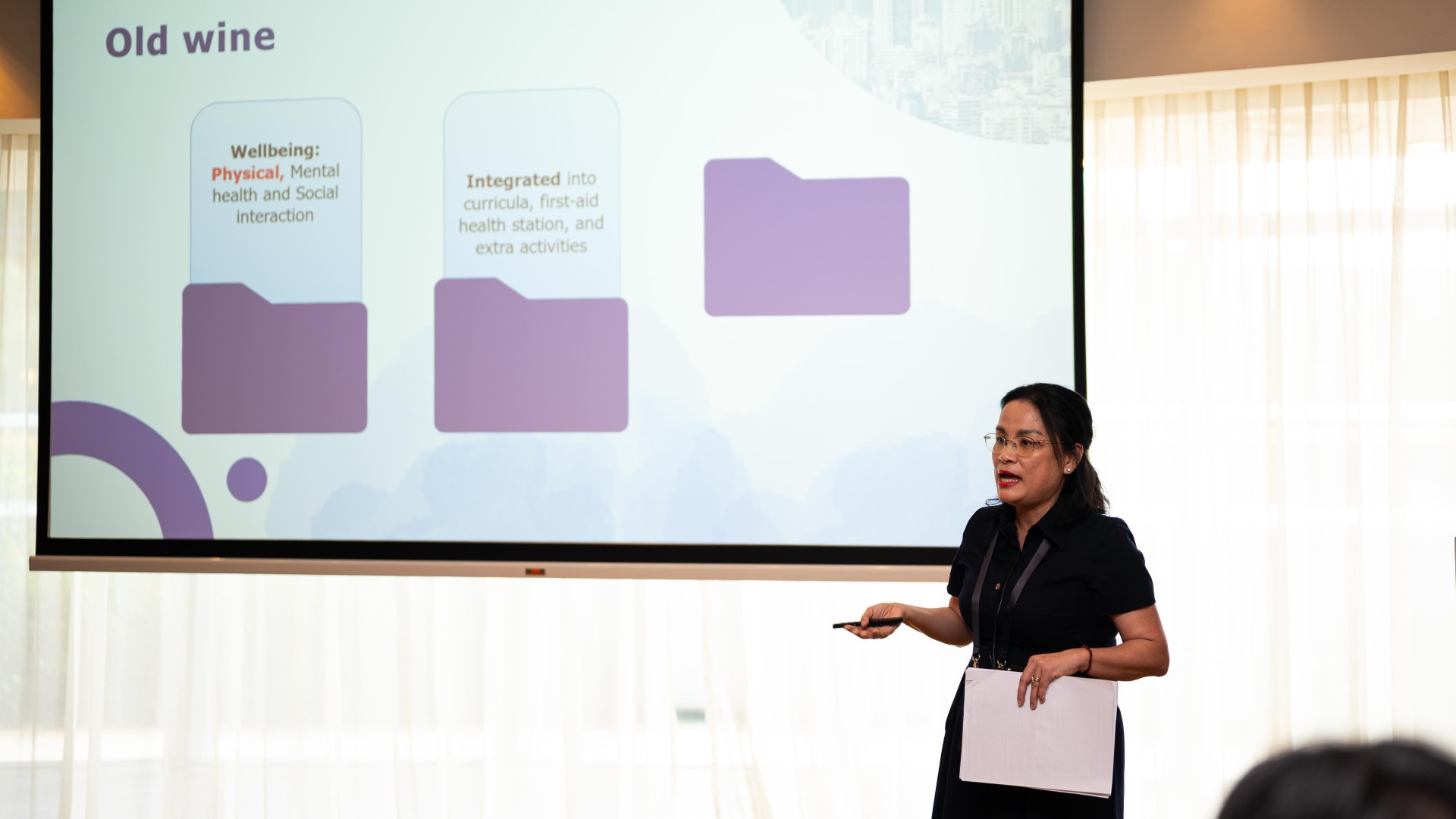
Professor Dr Ngo Thi Phuong Lan, President of the University of Social Sciences and Humanities, Vietnam National University in Ho Chi Minh City, and an expert in the field of well-being, shared with the delegates how she had established policies and structures within the university to focus on student well-being – a factor that was instrumental in supporting the student community through the COVID-19 pandemic and beyond.
Dr Ngo, together with NUS Chief Wellbeing Officer Dr Andrew Tay, then co-facilitated a roundtable session where the delegates exchanged their thoughts and experiences on implementing well-being initiatives at their respective universities, and the appropriate place and function of a well-being office within university management.
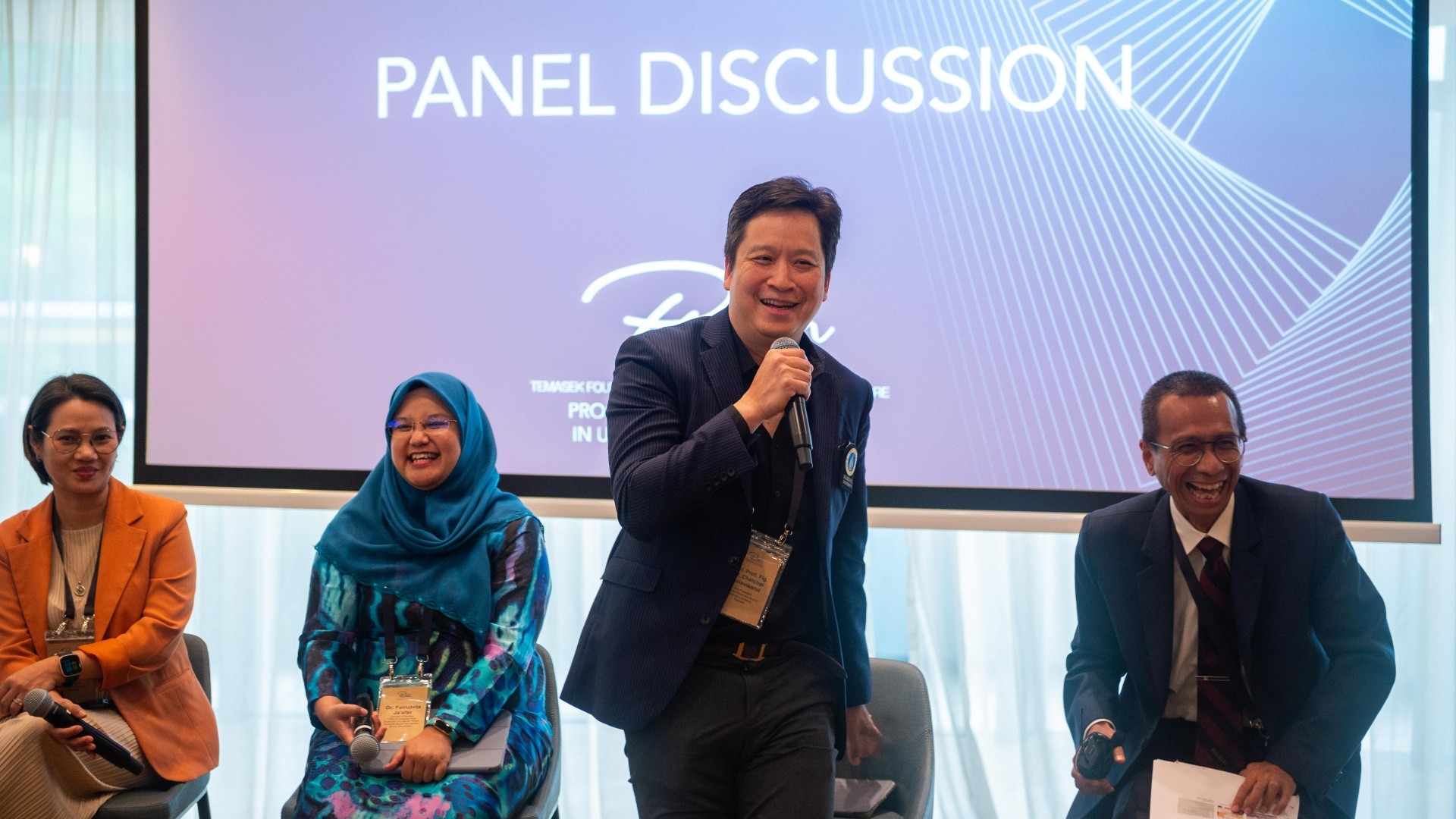
Perspectives on student life and well-being were further explored on Day 2 through an hour-long panel session moderated by Fr Roberto Yap, President of Ateneo de Manila University. The panel comprised four leaders in student wellness who spoke about their experiences, and that of their respective universities, in nurturing an environment for student well-being amidst the challenges faced by the current generation of students.
The panellists, Dr Christine Ballada from De La Salle University in the Philippines; Dr Fairuzeta Ja’afar from Universiti Brunei Darussalam; Professor Jaka Sembiring from Institut Teknologi Bandung in Indonesia; and Assistant Professor Chatchai Kunavisarut from Mahidol University in Thailand elaborated on the key characteristics universities seek to develop in their students to build resilience and fortify them during their university days and beyond.
They then delved into practical policy implementations, such as the provision of gap years or industry or community outreach, and cultivating the university as a safe and inclusive space for students. Highlighting that many delegates shared common experiences regardless of cultural or academic backgrounds, the panel session acknowledged the importance of student wellbeing, and notably, the need to support staff members as well, as they work to implement changes within universities in the area of wellbeing.
“The segment on student wellbeing was the most impactful for me because I feel that this generation of students is so different, and they face many external social pressures,” said Dr Fairuzeta.
She added: “I found the part about managing your own mental well-being interesting, and I believe that this is needed in order for us to nurture meaningful citizens.”
A holistic student life beyond the classroom
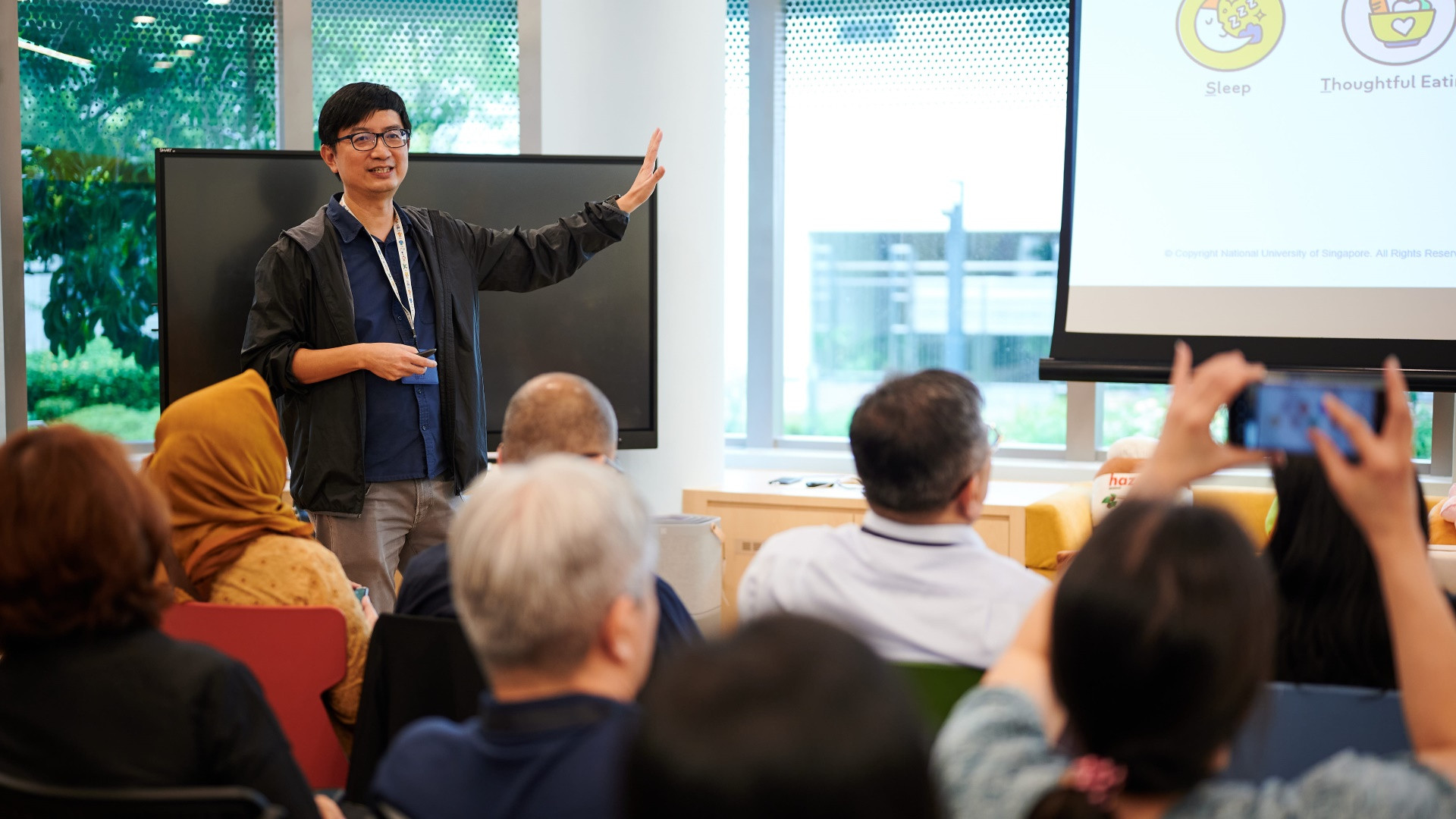
Turning to the theme of student life and experiential learning, the delegates agreed that universities today should not only seek to deliver the conventional classroom experience but also serve as places for students to experience an enriching and holistic student life through non-academic activities.
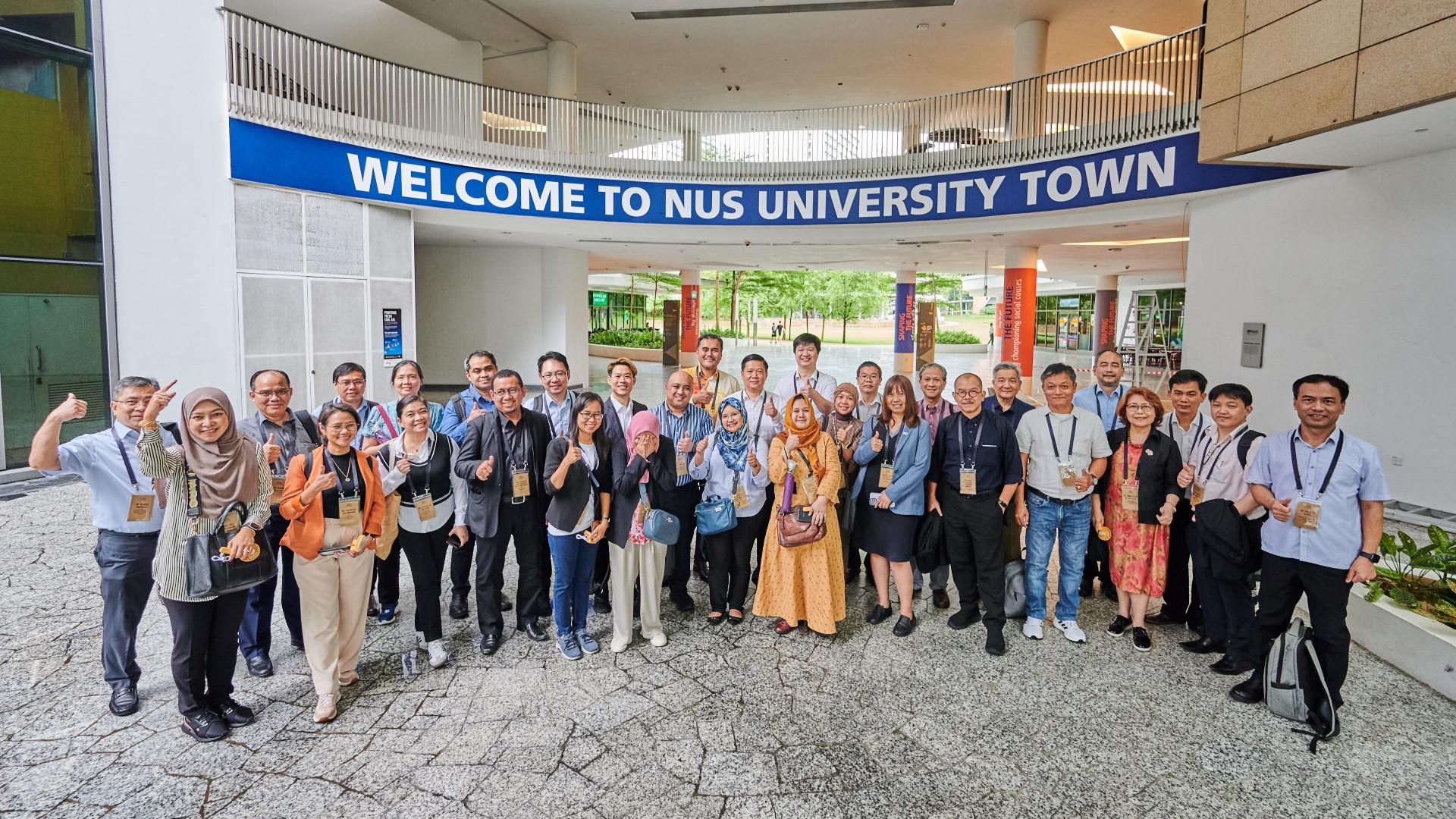
In keeping with their commitment to foster out-of-classroom learning experiences, the delegates then embarked on a curated tour of NUS’ Kent Ridge campus, which included stops at Ridge View Residential College (RVRC) and University Town (UTown), underscoring NUS’ on-campus living and learning model.
At RVRC, delegates learnt more about the NUS Residential College structure which melds academic programmes with residential living, through insights from students and residential fellows. Before a tour of UTown, the delegates visited Pitstop@UTown, a student wellness space, where colleagues from the NUS Office of Student Affairs shared about NUS' strategies and spaces for mental wellness on campus.
Learning from each other
Through PLUM, delegates found kindred spirits and commonalities in ideas and issues faced, despite their cultural and contextual differences. It was a space for delegates to discuss strategies outside of a classroom environment, to find comfort as they shared their common experiences across roundtables, and to gain from the wealth of knowledge and experience exchanged between peers throughout the three-day programme.
“PLUM is where all the great minds and university leaders come to think,” said Dr Abdul Hanif Mahadi, Director at the Centre for Advanced Material and Energy Sciences at Universiti Brunei Darussalam. “As such, they definitely have a more holistic view of what is going on inside and outside of the university, so it really puts us all in the same boat.”
“Amongst the ASEAN countries, everyone has similar problems, but they are also different even if it is the same theme. This motivates us to discuss how we can tackle this together, and enforces collaboration, so that we can do this together and solve the same problem,” Dr Hanif added.
Highlighting the close ties between ASEAN nations in his address at the closing dinner, NUS President Professor Tan Eng Chye emphasised NUS’ enthusiasm to connect and nurture the growth of universities in the region. These include initiatives such as the NUS Fellowship , a programme that provides researchers with the opportunity to collaborate and work in NUS for a defined period, as well as collaborate with the University to further the start-up and entrepreneurship ecosystems in our neighbouring countries.
“The three themes that we have identified are very relevant because these are problems that we all face, as universities, although our local context is very different,” said Prof Tan. “How each of our universities attempts (to solve) and intervenes in these problems is very useful to learn!”
“We deeply value our relationships with our neighbours, and PLUM is an important avenue for ASEAN university leaders to gather and contemplate issues that relate to our region and institutions,” said NUS Associate Vice President (Global Relations) Associate Professor Lum Sau Kim, as the event concluded on 16 May.
“This year’s programme was designed to maximise opportunities for delegates to actively engage with their contemporaries on the themes. We were very pleased that, though the format was slightly experimental, delegates have provided feedback that they enjoyed the ample interactivity and networking afforded through the multiple roundtable rotations and workshop-style sessions.”
This is the second article in a two-part series on PLUM. Read Part 1 here.
