


What’s the science behind Singapore’s policy on vapes?
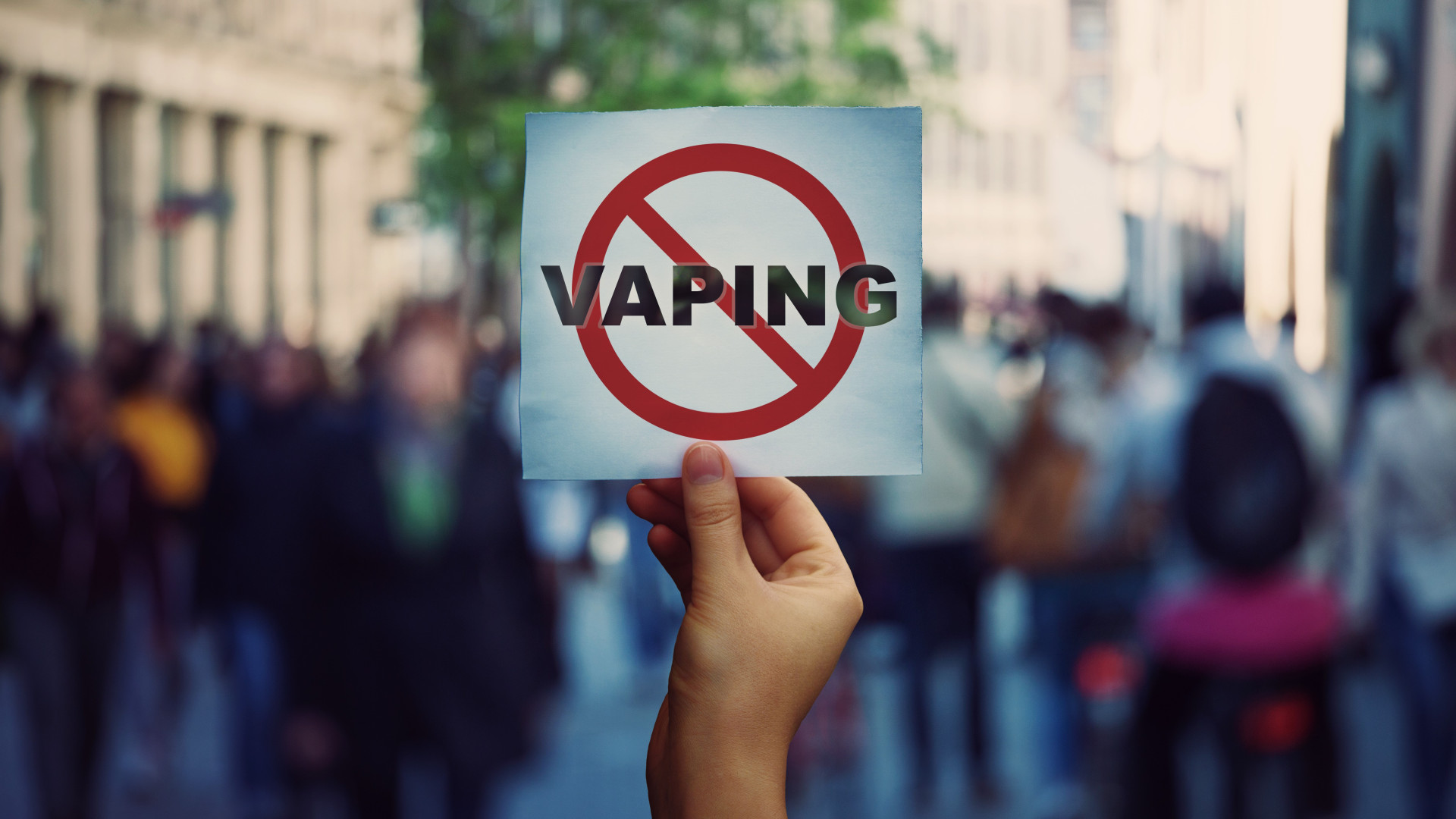
Since 2018, Singapore became one of 39 countries worldwide to ban vaping, sparking debate on whether this approach is overly cautious in contrast to countries, such as New Zealand and the United Kingdom, that regulate the sale and distribution of e-cigarette and recognise vaping products as a harm reduction tool for cigarette smokers.
To address discussions on whether vapes are harmful, Associate Professor Ho Han Kiat from the Department of Pharmacy and Pharmaceutical Sciences at the NUS Faculty of Science provides a toxicological perspective to objectively appraise the health and addictive risks that the hazardous substances in vapes pose.
Assoc Prof Ho highlights that there is no lack of scientific basis that vapes carry similar hazardous substances as conventional cigarettes; expose users to additional although unvalidated risks; and possess the same ingredients that cause addiction. Whether the public policy to control vaping is within reasonable bounds would be up to the government, businesses and members of the public to examine. He also adds that individual responsibility and accurate knowledge could point us in the right direction to making responsible choices to complement public policy in vaping control.
Read more here.
