


Harmony in diversity: International friendships flourish at YST
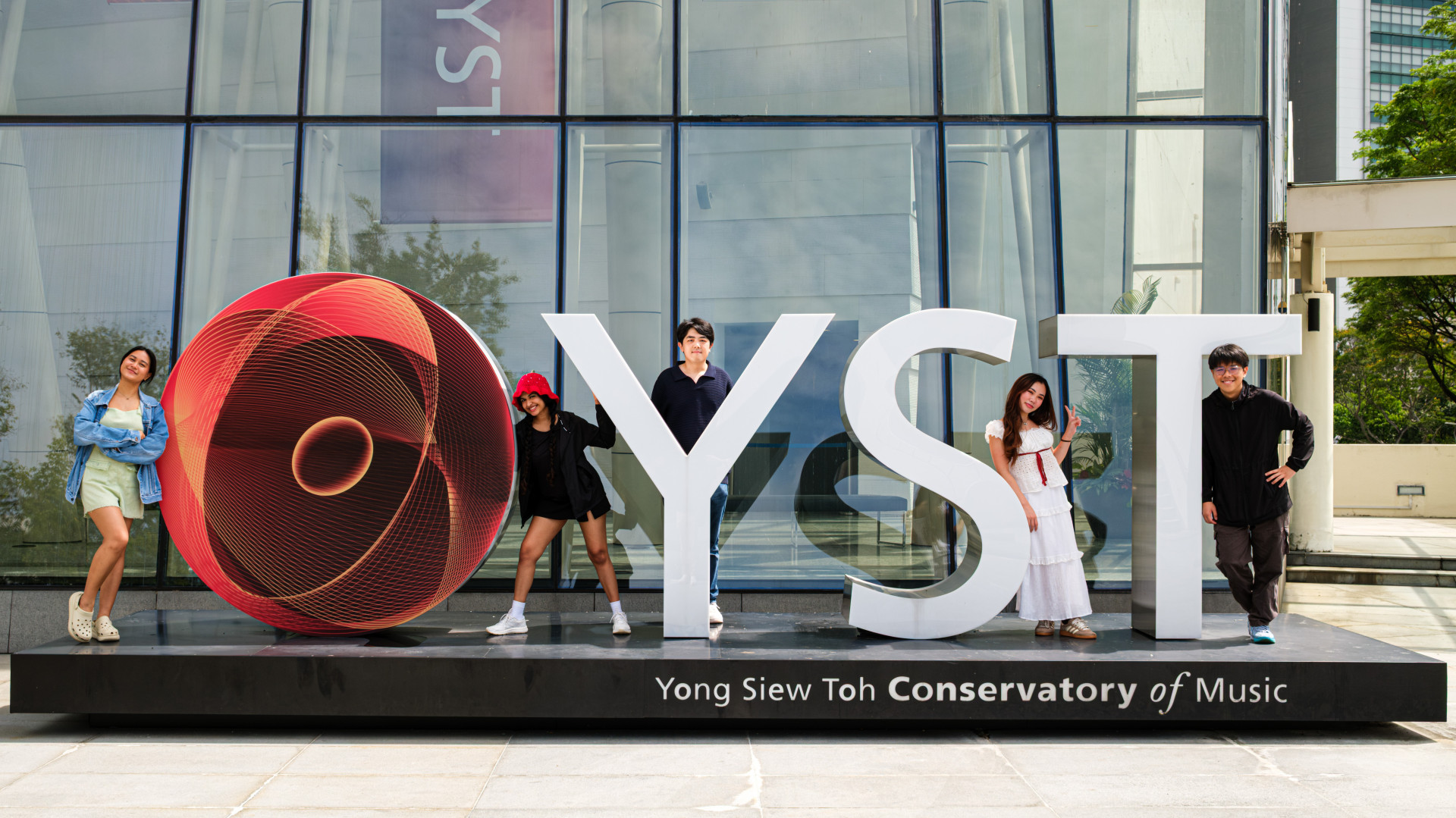
International Friendship Day, observed annually on 30 July, celebrates friendships between people of different countries and cultures to cultivate a shared sense of solidarity and promote dialogue to bridge differences.
As a global university, NUS nurtures students into global citizens through overseas opportunities, collaborations with foreign universities, and immersion in a cosmopolitan community that has 123 nationalities represented among staff and students. This diversity is especially prominent at the Yong Siew Toh Conservatory of Music (YST), which boasts one of the most culturally diverse student bodies at NUS. There are more than 20 nationalities in its undergraduate student population of about 240, creating a vibrant environment for friendships to blossom across different nationalities and cultures.
In celebration of International Friendship Day, five Voice majors hailing from various parts of Southeast Asia, South Korea, and India share how their multinational group of friends has enriched and shaped their university experience both inside and outside the classroom.
Embracing curiosity and kindness
Like many university friend groups, Val Chong, Samiksha Argal, Park Minjun, and Leanne Reese first met and bonded in shared core classes in Year 1. Representing Singapore, India, South Korea, and the Philippines respectively, they became acquainted through casual chats between lessons and grabbing meals together after classes and performances.
Notably, the friend group also comprises their major’s entire Class of 2026, as YST only takes in an average of three to five Voice students per year. Due to the small size of the cohort, Indonesian Jason Suryaatmaja (Class of 2025) would often fill in for missing parts in their group performances and soon joined their circle of friends, adding another nationality to the already diverse squad.
Making friends with people of other nationalities feels natural in YST, said Minjun: “We’re lucky because our faculty is one of the smallest at NUS with people from so many different backgrounds. It makes it easier to get close to people from other countries.”
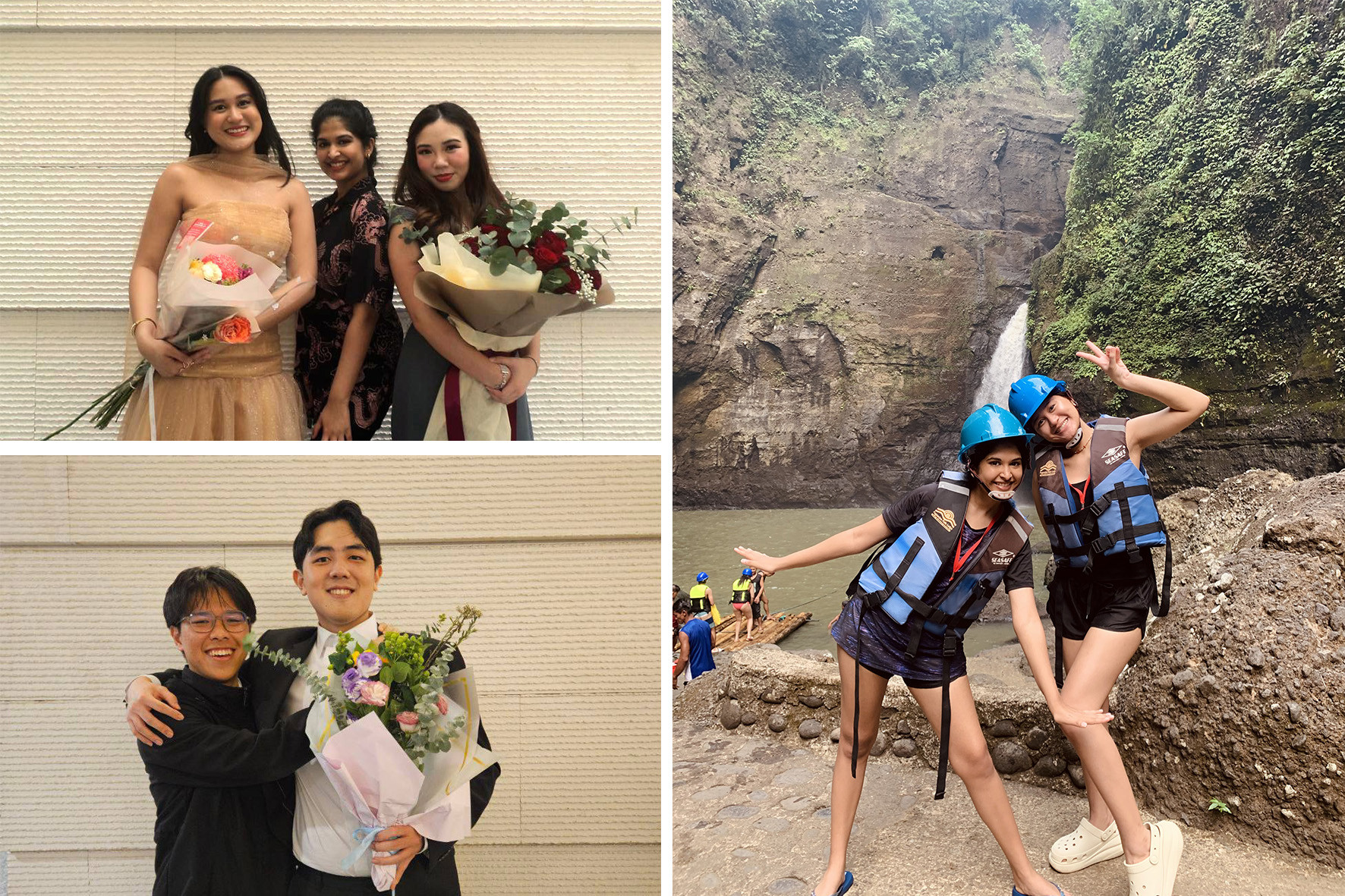
Navigating cultural differences is a major part of the YST experience, especially when classes are led by an international faculty and exchanging feedback is an important part of the learning experience. Cultural differences can often impact how tone and intention are conveyed and perceived, and nuance can sometimes be lost when a thought is translated between languages.
The five friends overcame this challenge by embracing an attitude of curiosity towards cultures other than their own, as exemplified in a quote that Leanne learnt from a professor while on exchange in Scotland: “Don’t be interesting; be interested.” This mindset led them to gain a better understanding of each other’s colloquialisms and mannerisms, which differ across cultures and languages. Over time, they have developed a shared trust and now count the ability to exchange candid feedback among themselves as one of the most valuable benefits of their friend group.
“Val is an amazing performer, so when we are rehearsing for productions, I will ask her, ‘Do you think this works?’ I ask Minjun for technical advice and we explore singing techniques together. It has really helped me on the career side,” Jason said, prompting some good-natured ribbing from his friends that they are only useful to him as career support.
The supportive environment they have nurtured in their group also extends to their interactions with students from other cohorts, such as during weekly Voice studio classes. Val shared that they make it a point to chat with their juniors during these shared classes and cheer them on even when they make mistakes.
Said Samiksha: “Through the years, we have created the kind of environment that we want for ourselves and others – a warm and nurturing one where everyone can grow and learn together.”
Growth lies outside the comfort zone
While cultural differences can pose challenges at times, they create positive opportunities for growth and connection too. As a Singaporean, Val takes on the responsibility of helping the others feel at home, introducing them to the Chinese New Year tradition of yusheng and taking them café-hopping to explore the country.
“As a local, it is easy to stick to our own cliques, but it is also important to make our fellow international students feel welcome and ‘at home’. We can invite them out for a meal, or even a simple greeting could make their day,” she said.
“YST is so diverse that we’re compelled to integrate, and honestly that pushed me out of my comfort zone as an introvert. Talking to people from different cultures, you’ll learn so much about them and the world in general,” said Samiksha, who recalls learning the entire history of Korea from Minjun, starting from the Stone Age to the present day.
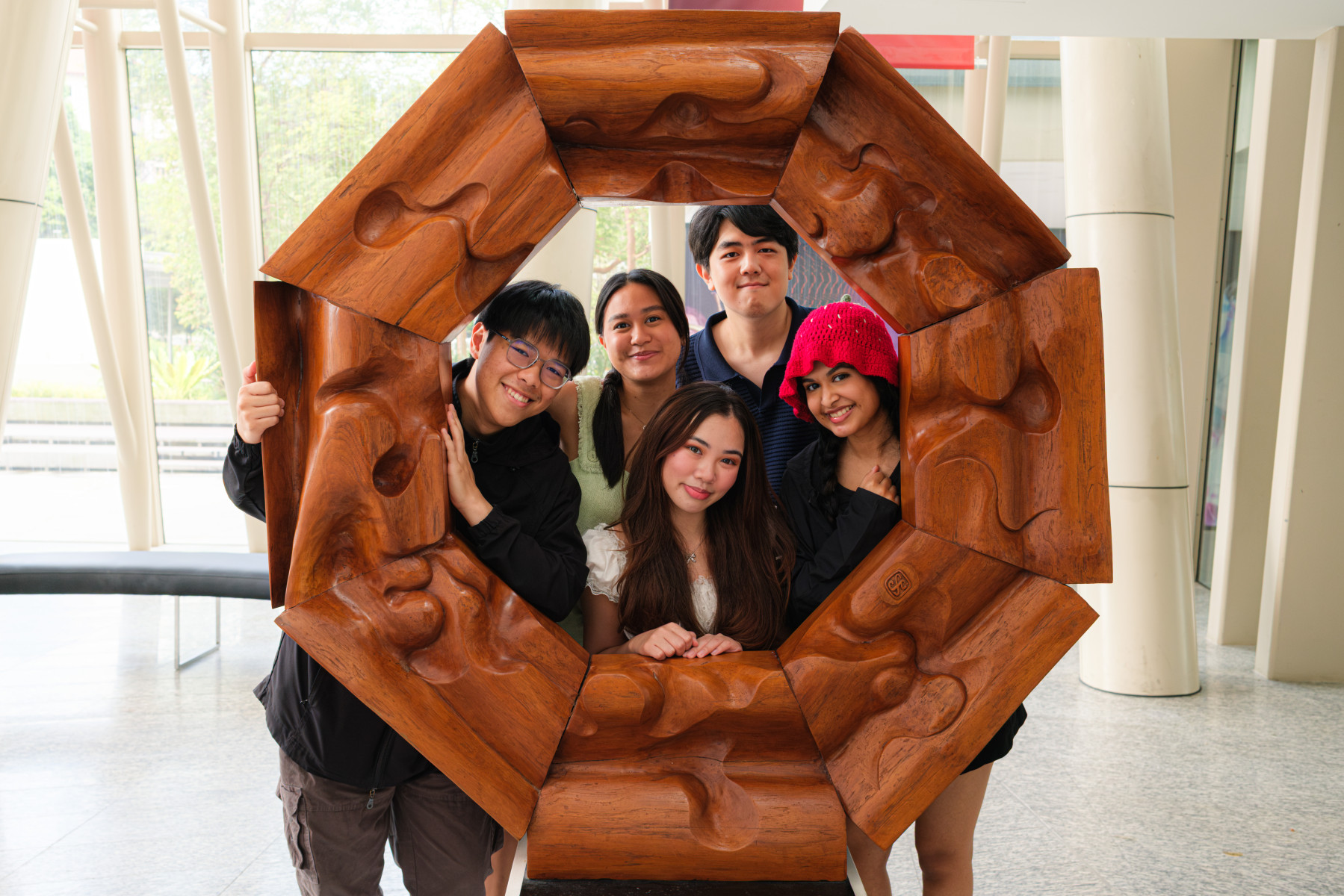
Val noted that her friendships with people whose countries are undergoing crises make her more informed about what is happening overseas and prompt her to empathise.
She added that such interactions can also serve as an important first step in countering racial and cultural stereotypes. “Stereotypes often arise from preconceived notions about others. But when we take the time to talk to others and understand them, we start to realise that we need to correct our assumptions.”
Forming friendships with people of other cultures is crucial for foreign students who do not have family in Singapore, said Leanne, who has heard of students leaving due to loneliness. “It’s really important to have someone who can listen and be there for you,” she said. “There were tough times when school got hectic and stressful, but it’s the friends I’ve made that supported me through my dark times and helped me emerge stronger.”
Ultimately, international friendships are not so different from friendships among people of the same culture, the students said. Social media makes it easier than ever to find common topics like pop culture and memes that can serve as a starting point for conversations, and once a connection is established, deeper shared interests can be discovered to strengthen the friendship.
The group’s favourite stress-busting activity is cycling to West Coast Park, where they would sit by the sea and talk about life, and some of their best memories are from post-concert suppers at the row of eateries along Clementi Road known to NUS students as “Supper Stretch”. “We always eat at the same three places, and I don’t know why we’re not bored of the food yet, but it’s just a lot of fun,” said Samiksha.
Said Minjun: “Most of us are living and studying here alone, but having these friends to journey alongside us makes life a lot more fun and exciting.”
