20,000 volunteer hours and counting: NUS wins MSF Outstanding Partner Award for championing community impact
NUS is the first Institute of Higher Learning to be recognised for its contributions to community service and social inclusion
When NUS Faculty of Arts and Social Sciences final-year student Leticia Peh spotted a family of familiar faces walking into the Singapore Association for the Deaf (SADeaf) during her internship, she was overjoyed.
The family, whom she had earlier befriended through an NUS service-learning course offered in partnership with the Ministry of Social and Family Development (MSF), had taken the initiative to seek professional support after she shared about available resources with them. It was a reminder that making a difference sometimes begins with helping others find the support they need.
Since 2022, more than 1,100 NUS students have contributed over 20,000 volunteer hours through GEN2070 Community Link (ComLink) Befrienders, making NUS the largest single organisational contributor to the national initiative.
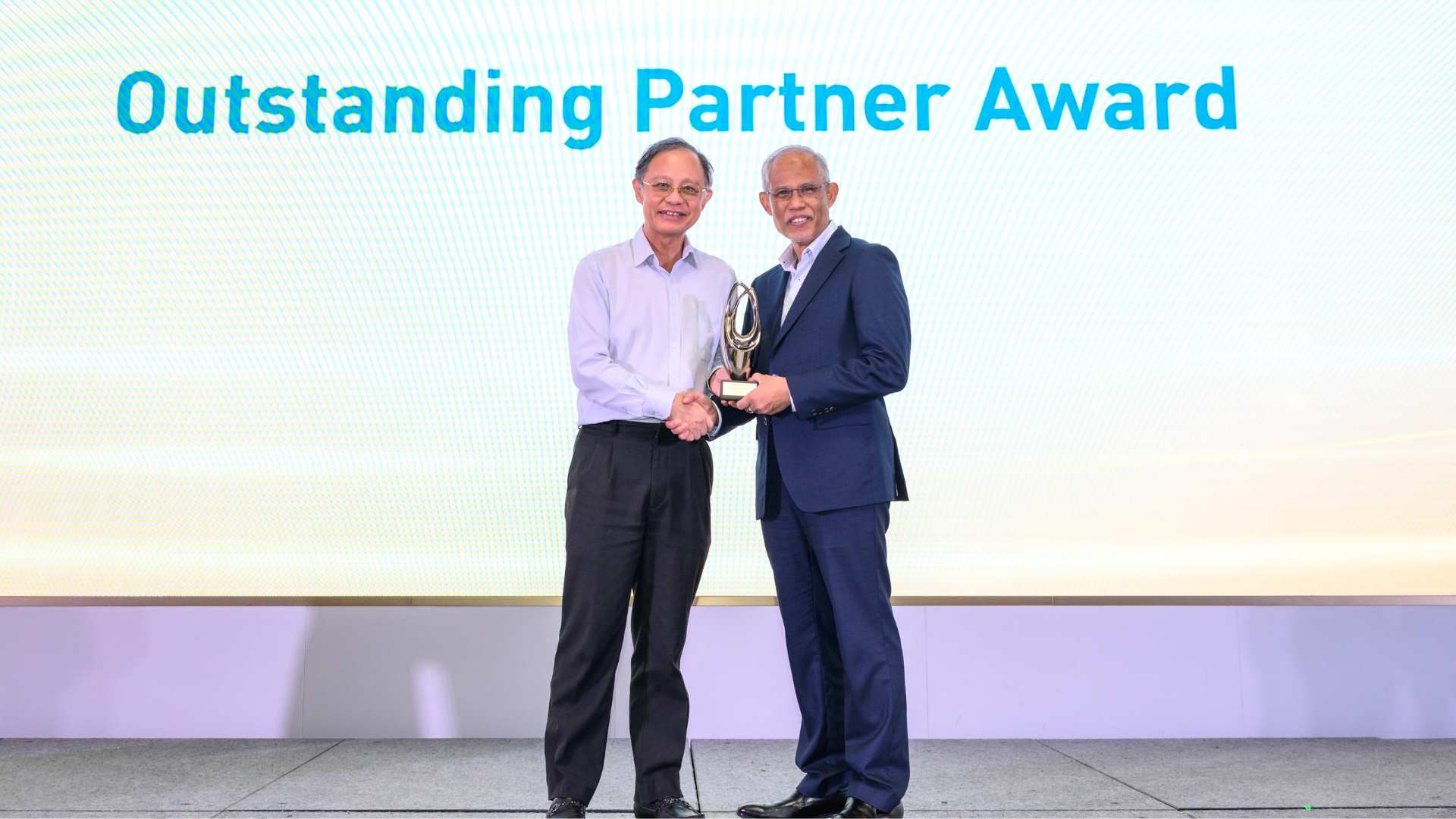
For its sustained efforts to support lower-income families and promote social inclusion, NUS was recognised with the MSF Outstanding Partner Award 2026, becoming the first Institute of Higher Learning (IHL) in Singapore to receive the award.
“Through our strategic partnership with MSF, we mobilise our vibrant community of students, staff, and alumni to drive social mobility for ComLink+ families and champion the aspirations of persons with disabilities,” said Ms Ong Mui Hong, NUS Cares Director, at the Office of the Provost.
Relationships that make a difference
Launched in August 2022 under NUS’ Communities & Engagement General Education pillar, GEN2070 was the first service-learning collaboration of its kind between MSF and an IHL.
Through year-long befriending relationships, students support lower-income families, from helping children with their studies to encouraging parents as they work towards their goals. More than 340 students enrolled as befrienders in 2025.
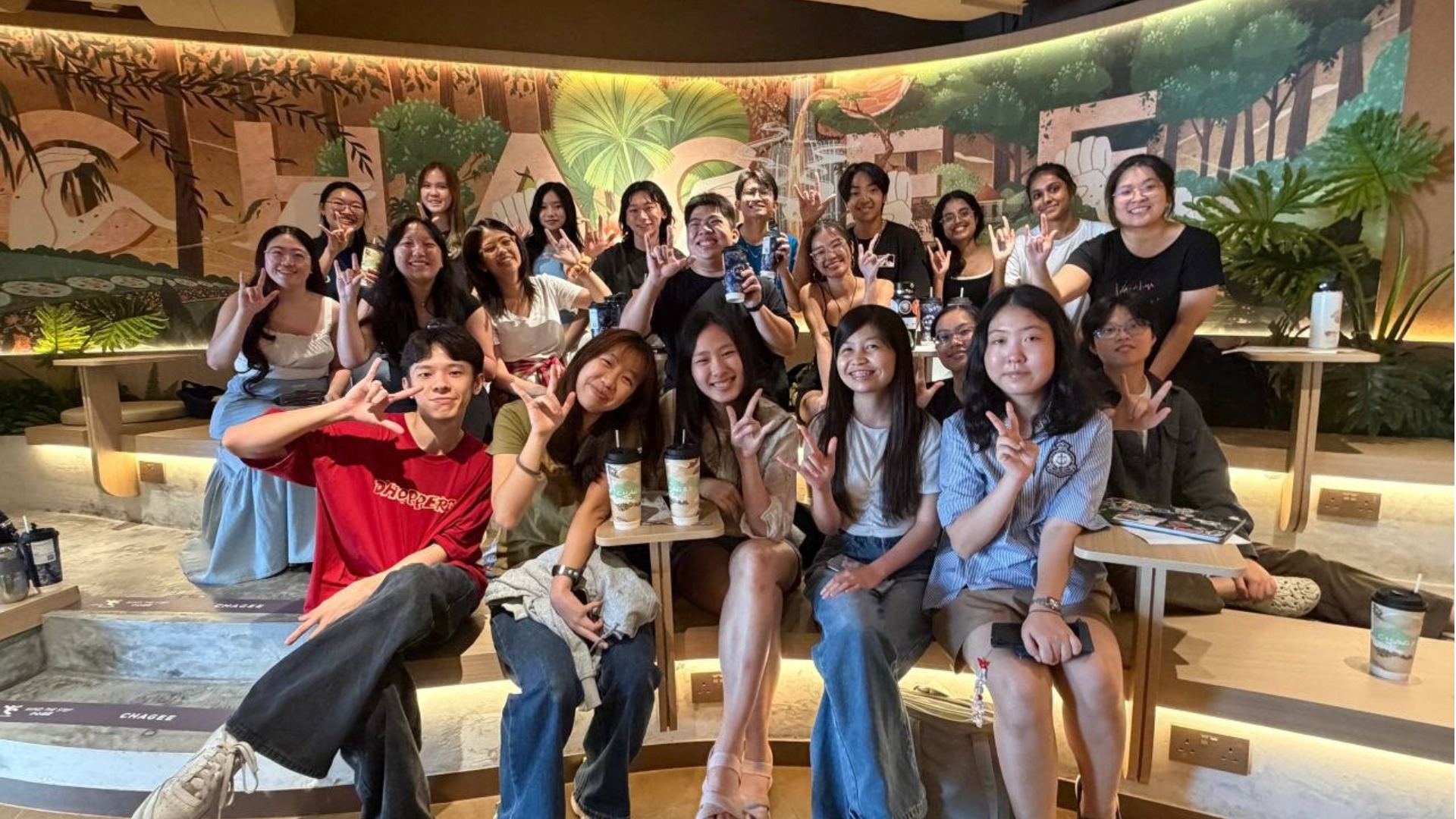
For Leticia, a Psychology undergraduate who had learnt basic sign language at NUS, the course offered a valuable opportunity to support a family comprising deaf parents and a teenage child.
Despite initial communication challenges, she persevered, improving her signing skills and understanding of the Deaf community. Later, she interned at SADeaf and connected the family with a social worker there.
Today, she keeps in contact with them even after completing the course.
“I treasured the opportunity to walk with these families in the various journeys that they were on, and it was a privilege to be welcomed into their lives and be with them throughout their ups and downs,” she shared.
Making community engagement part of university life
The course is part of the larger NUS Cares movement, through which the University mobilises staff, alumni and student groups to champion and volunteer in meaningful initiatives that benefit society.
Building on GEN2070, NUS also introduced GEN2072 Enable Inclusive Communities SG in August 2026, in collaboration with SG Enable — bringing students and persons with disabilities together to co-create activities that develop practical living skills and encourage social participation at Enabling Service Hubs and Day Activity Centres.
Other initiatives include career-readiness and life-skills programmes for youth at the Singapore Boys' Home and Singapore Girls' Home, and disability inclusion efforts under Project Dolphin.
“Our service-learning model transforms the community into a classroom,” said Ms Sim Qin Ying, Director (Service Learning), from the Office of the Provost.
“It provides families and persons with disabilities with immediate, meaningful support while equipping our students with the empathy, resilience and civic responsibility to drive enduring, positive change in our society.”
NUS continues to strengthen its community partnerships and explore ways to provide sustained support to those in need.
"Together, we help cultivate a transformative ecosystem that delivers innovative, sustainable solutions for family stability and community empowerment,” said NUS Cares Director Ms Ong.