


NUS Master’s graduates drive change in their fields
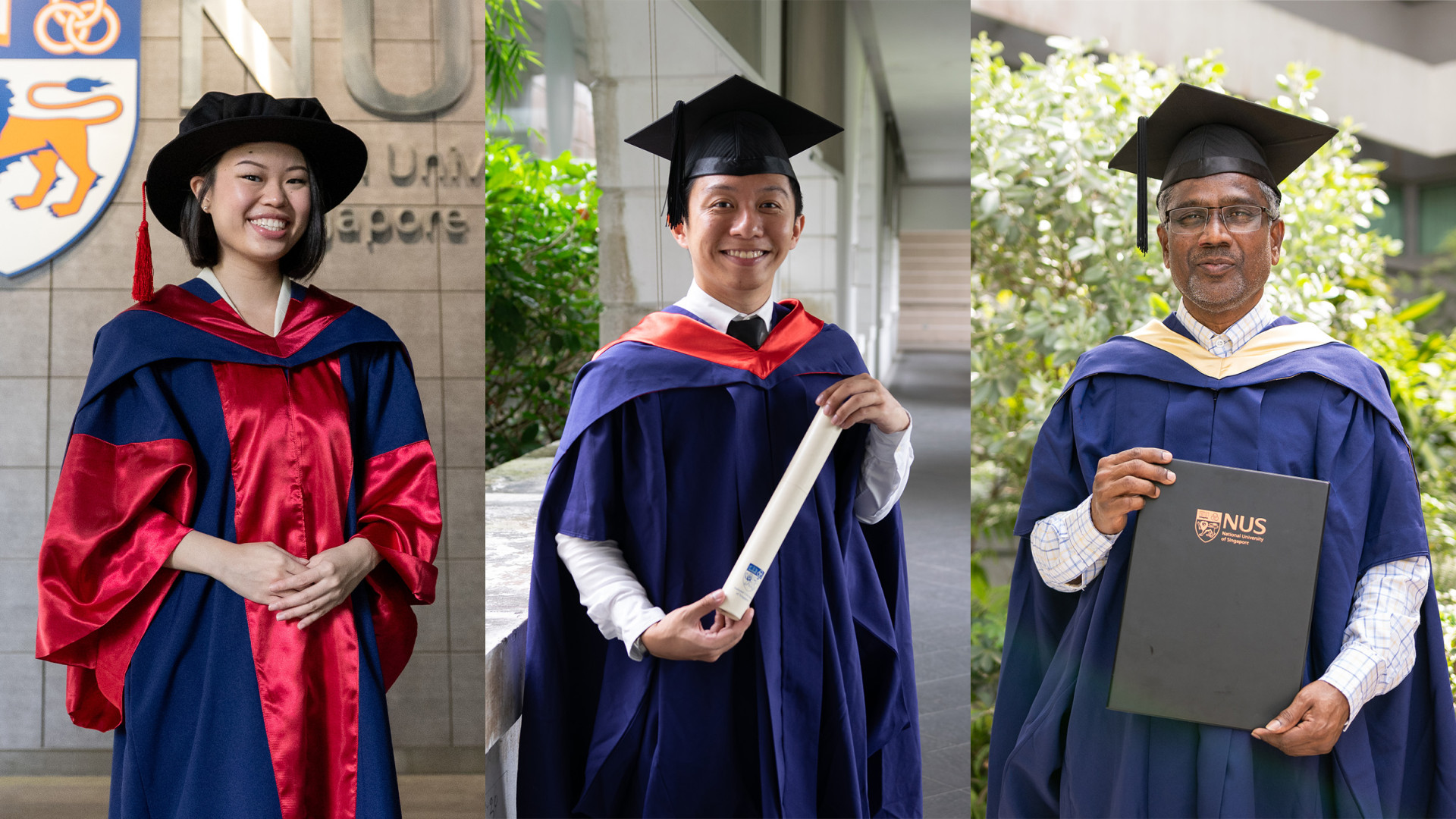
Education, as anti-apartheid icon Nelson Mandela once said, is the most powerful weapon one can use to change the world. Three Master’s graduates share how they are applying what they learnt at NUS to enact change in their own ways.
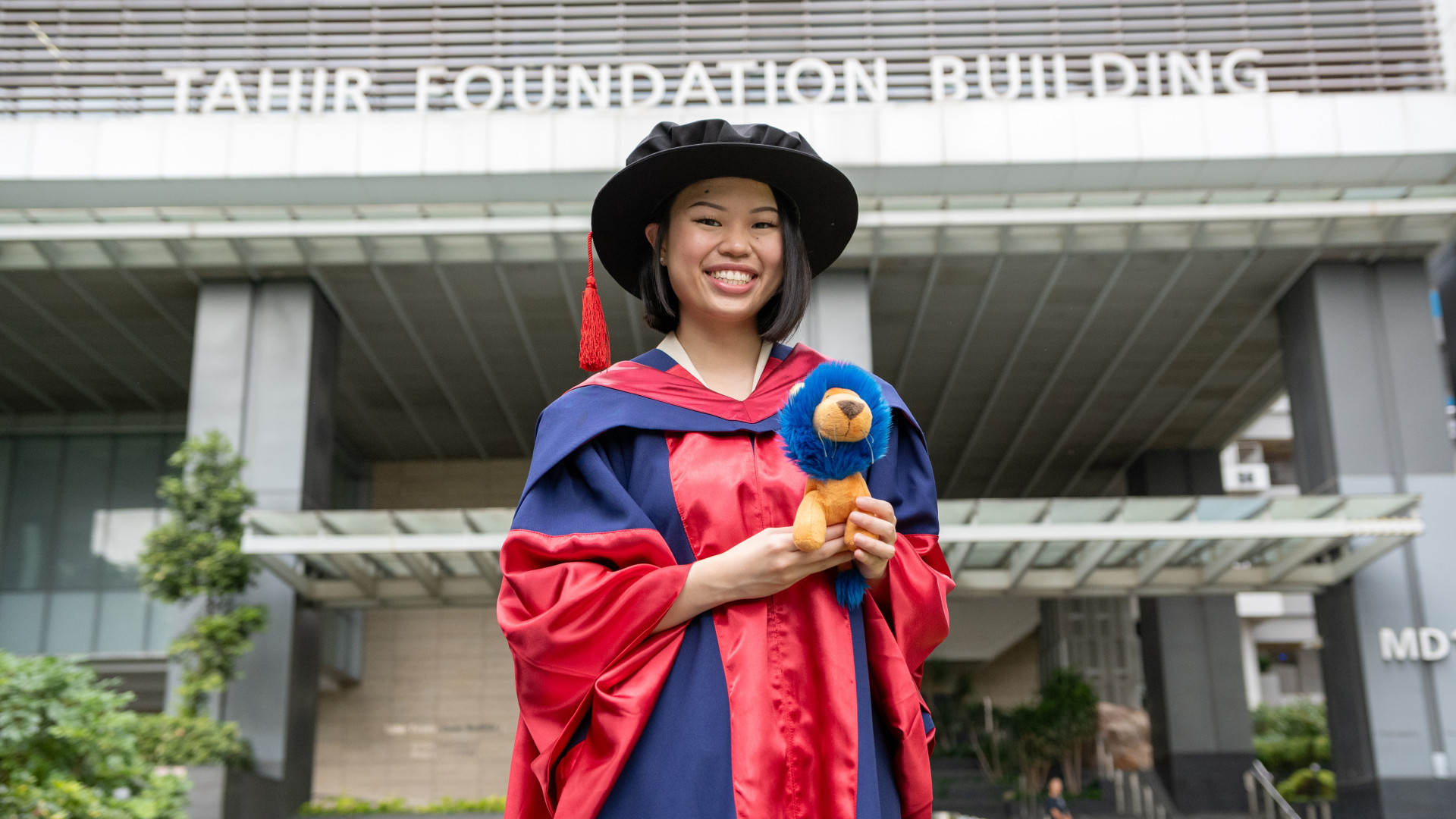
Emily Yap: Healthcare from the heart
As people scrambled to stock up on essentials after Singapore raised the COVID-19 pandemic risk assessment to DORSCON Orange in February 2020, Emily Yap, who was a nursing undergraduate then, immediately worried for the safety of her grandmother, who was their family’s primary grocery shopper.
“If I’m worried about my grandmother, what about other elderly and low-income families? I felt that I needed to do something,” she said.
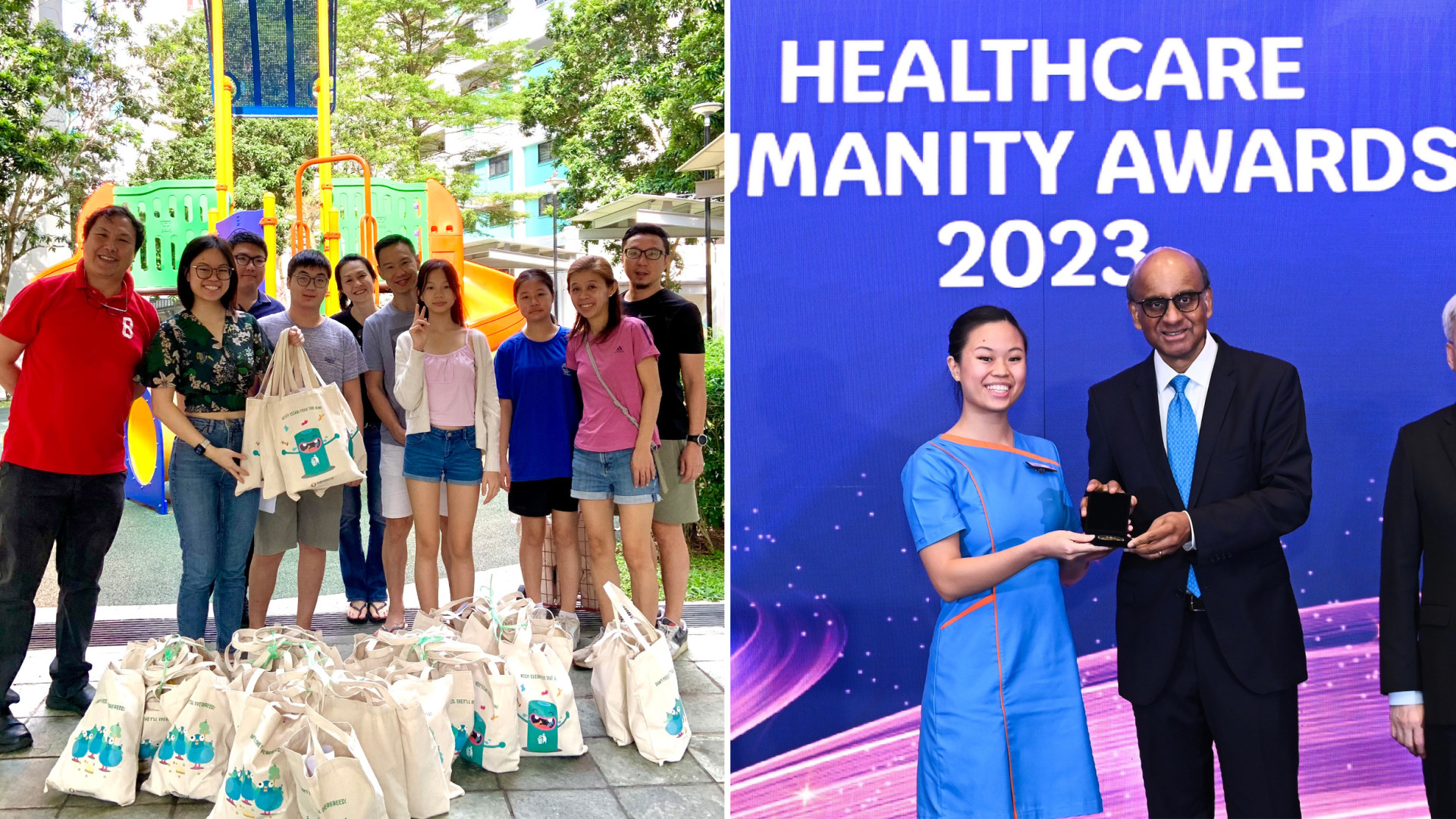
So she set up a ground-up initiative called Dunearn Youth with her friends in 2020, delivering groceries to the elderly and lower-income households. “Seeing the gratitude and relief on the faces of those we helped filled me with a warmth and purpose I had never experienced before,” said Emily.
This experience led her to work in palliative care after completing her nursing degree in 2021. Working closely with palliative patients at Alexandra Hospital, she saw how life-limiting conditions impacted not just the patients, but their entire families, placing emotional and physical strain on caregivers.
As her passion and desire to help palliative patients and their caregivers grew, the Senior Staff Nurse enrolled in the Master of Public Health programme at the NUS Saw Swee Hock School of Public Health in 2023 so she could play a more effective role in helping them overcome challenges.
Emily was drawn to the programme’s comprehensive curriculum and emphasis on interdisciplinary learning, which allowed her to pick up skills like developing health proposals and programme evaluation.
They came in handy when Emily and her group members were assessing a rehabilitation programme for the elderly and recommending interventions to make it more effective. “(These skills) help you understand not only what the main problem is, but also what contributes to it. And from there, we can identify where and how to apply interventions meaningfully,” she explained.
The one-year programme also helped Emily overcome her fear of speaking up. The change was sparked by a professor’s words when her class had remained silent instead of participating in a discussion: “The greatest skill a public health practitioner should have is the courage to speak up. Without it, there can be no progress.”
It spurred her to speak up at the workplace as an advocate for change. “It made me feel like it’s okay for me to say constructive things that can improve the current state (of things),” said Emily, now 26.
In 2023, Emily received the Healthcare Humanity Award (Individual) presented by the National University Health System. The award recognised not only her compassionate care for patients but also her efforts to extend that care beyond hospital walls, reaching out to support and uplift the wider community.
To Emily, the recognition is more than just a personal validation; it is a powerful call to action to continue creating impact through compassionate leadership as the founder of Dunearn Youth. As she spearheads programmes to combat social isolation among the elderly and envisions launching support systems for caregivers in the near future, she aspires to galvanise others toward building a kinder, more connected community, demonstrating how real change begins with people who care enough to act.
“I want to be more than just a participant, I hope to be a catalyst for positive change, using both my clinical insights and public health training to meet the needs of the people and ensure that no patient or caregiver falls through the cracks.”
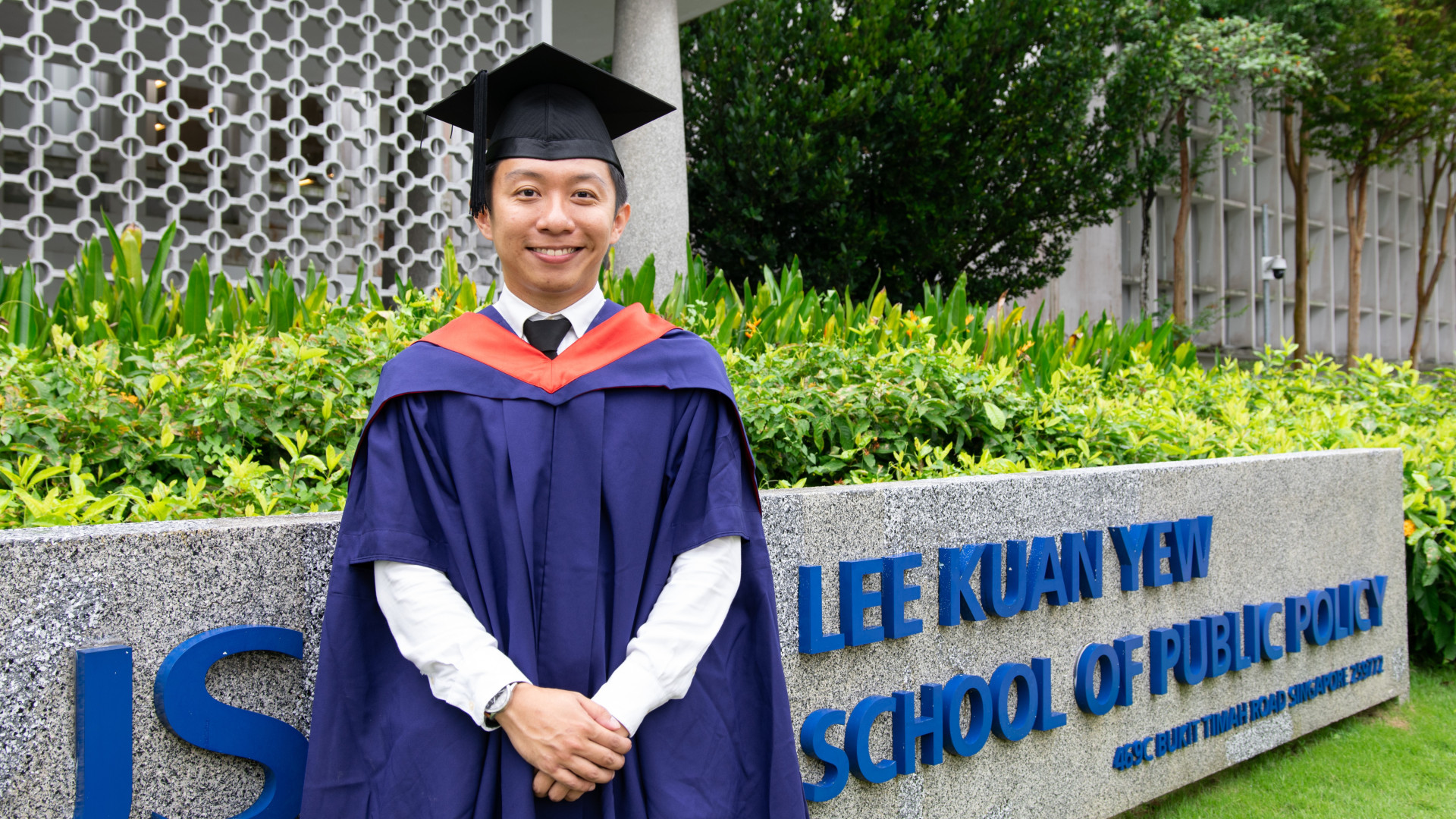
Douglas Wong: Policymaking for the elderly
When Douglas Wong’s parents started planning for retirement, they realised that they would struggle with their current financial circumstances. His father, who worked in a wet market, was considered self-employed, and was mandated to contribute only to his Medisave account. Without adequate financial planning, he lacked financial support in other areas.
Although Douglas managed to come up with solutions for them, there were many others who might not have the privilege of relying on trusted relatives for such support and advice. “That was when I thought perhaps public policy is that avenue for me to express my newfound drive for change in society,” said the 31-year-old.
He quit a promising job in airport operations planning and enrolled in the Master in Public Policy programme at the Lee Kuan Yew School of Public Policy in 2023 with the goal of understanding social policies, including how to better manage seniors’ retirement needs.
Despite the steep learning curve, Douglas found the two-year programme comprehensive and rewarding, as it equipped him with a strong foundation in programming, data analysis, and economic frameworks for policy evaluation and development. To ensure he could keep up with discussions and communicate his ideas clearly, he took optional classes on effective writing and presentation skills and spent extra time studying the language of economics in public policy.
His cohort, which had a mix of international and local students, as well as the school’s cross-cultural programme, gave him insights into how outsiders viewed Singapore policies, and how they developed their own. Guest lectures by prominent figures in public policy, such as former Singapore Minister Yaacob Ibrahim, further enriched his learning.
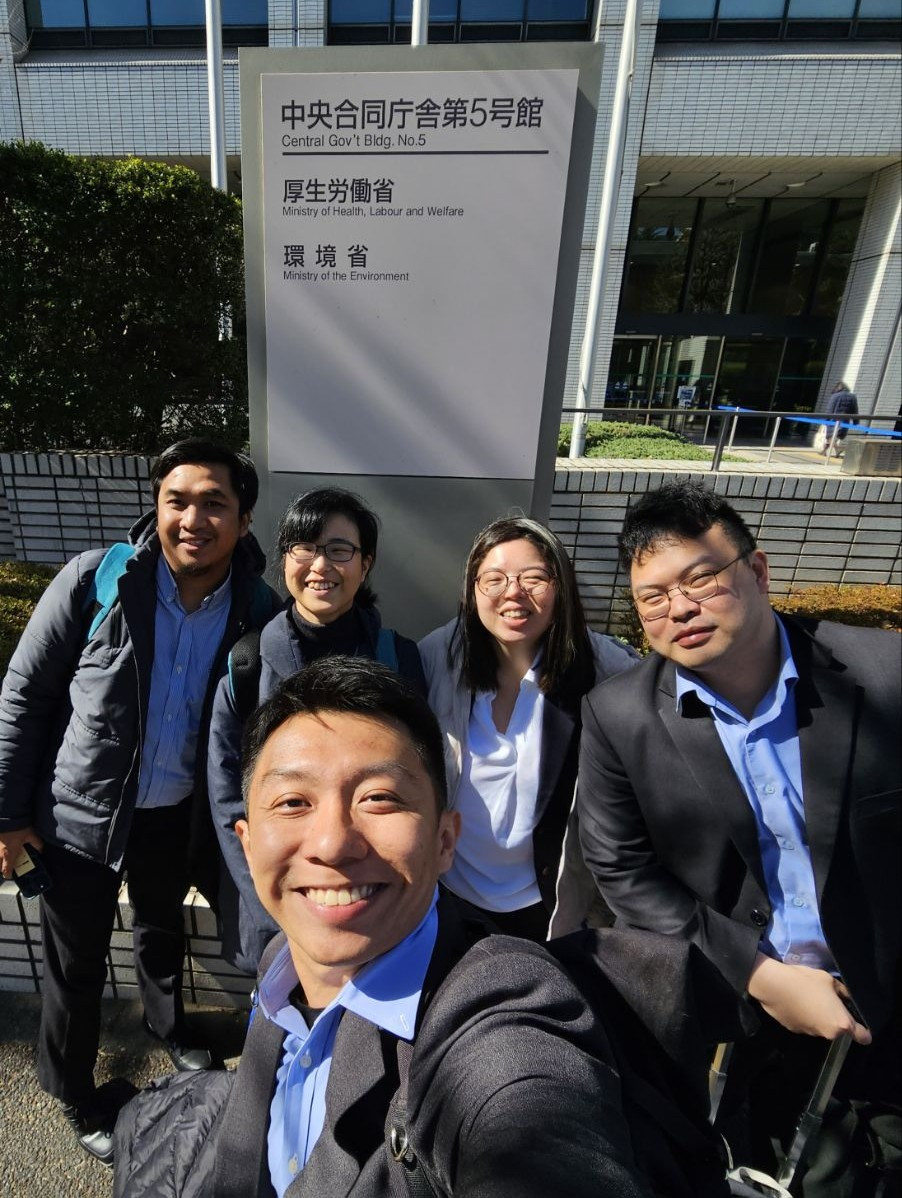
In 2024, thanks to funding from LKYSPP, Douglas was able to go to Japan for his final-year project to study the issue of deploying manpower for long-term care as Singapore’s ageing population continues to grow. There, they spoke with various stakeholders — from Japanese civil servants to healthcare workers — to better understand their healthcare landscape and derive useful insights for Singapore.
He noted: “This goes beyond the ageing cohort, because while I am young now, I will become old in the future, and I very much hope to live in a society where we have a strong supporting workforce for healthcare.”
After graduation, Douglas hopes to join the public service as a policymaker and contribute to issues pertaining to the ageing population. “There are a lot of avenues within the public service to inch towards the kind of change that I envision for society,” he said.
Haja Mohideen: Building a strong foundation through lifelong learning
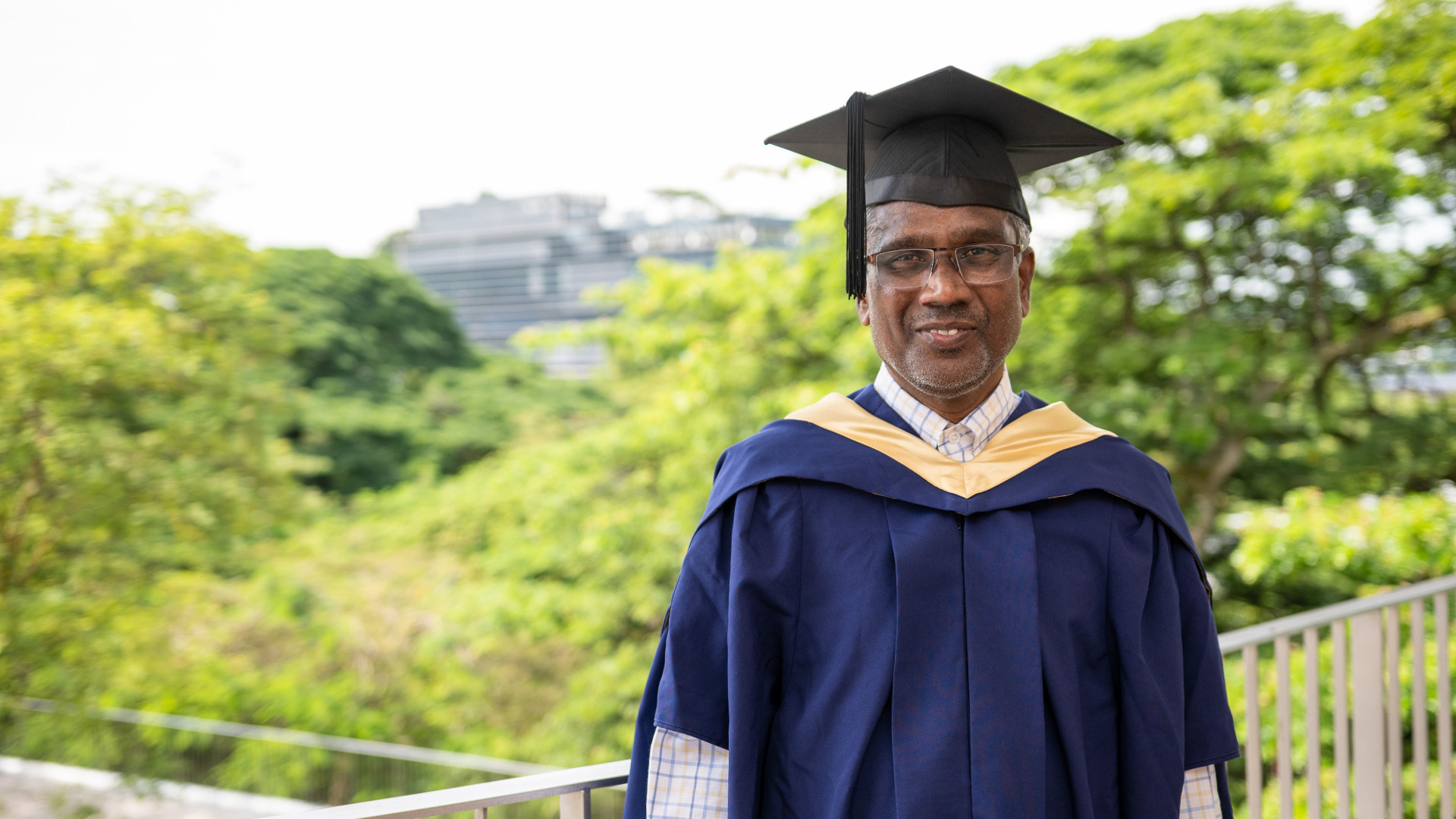
Three to four times a week over the past two years, Haja Mohideen swapped his civil engineer hard hat out for pen and paper at the NUS campus after office hours.
At 59, he holds a steady job as Lead Resident Engineer at Surbana Jurong Consultant Pte Ltd. But he believes one is never too old to learn. Despite having two bachelor’s degrees in civil engineering and mechanical engineering and a graduate certificate in geotechnical engineering, he returned to school in 2023 to pursue the Master of Science (Civil Engineering) at NUS College of Design and Engineering.
Working on massive construction projects exposed him to the challenges of Singapore’s complex soil terrain and sparked his interest in understanding appropriate mitigation measures such as constructing additional support structures, maintaining adequate moisture levels, and monitoring soil compaction. He was also keen to learn techniques for constructing smaller structural beams and columns without compromising their strength.
The NUS programme — designed for working professionals in the civil engineering and built environment sector — was the perfect fit. The lessons on site evaluation and new engineering techniques like high-strength concrete and composite construction came in useful at work almost immediately. During an excavation, for instance, he taught his colleagues to identify different types of soil they encountered.
The two-year programme also taught him cutting-edge software in the labs, which further honed his technical skills. But the highlight of his time at NUS was the culture of support.
“(The staff) offered personalised academic advice and really helped me assess my capacity. They recommended a suitable number of courses I could take each semester,” he said, adding that his professors would hop onto Zoom calls with him whenever the need arose.
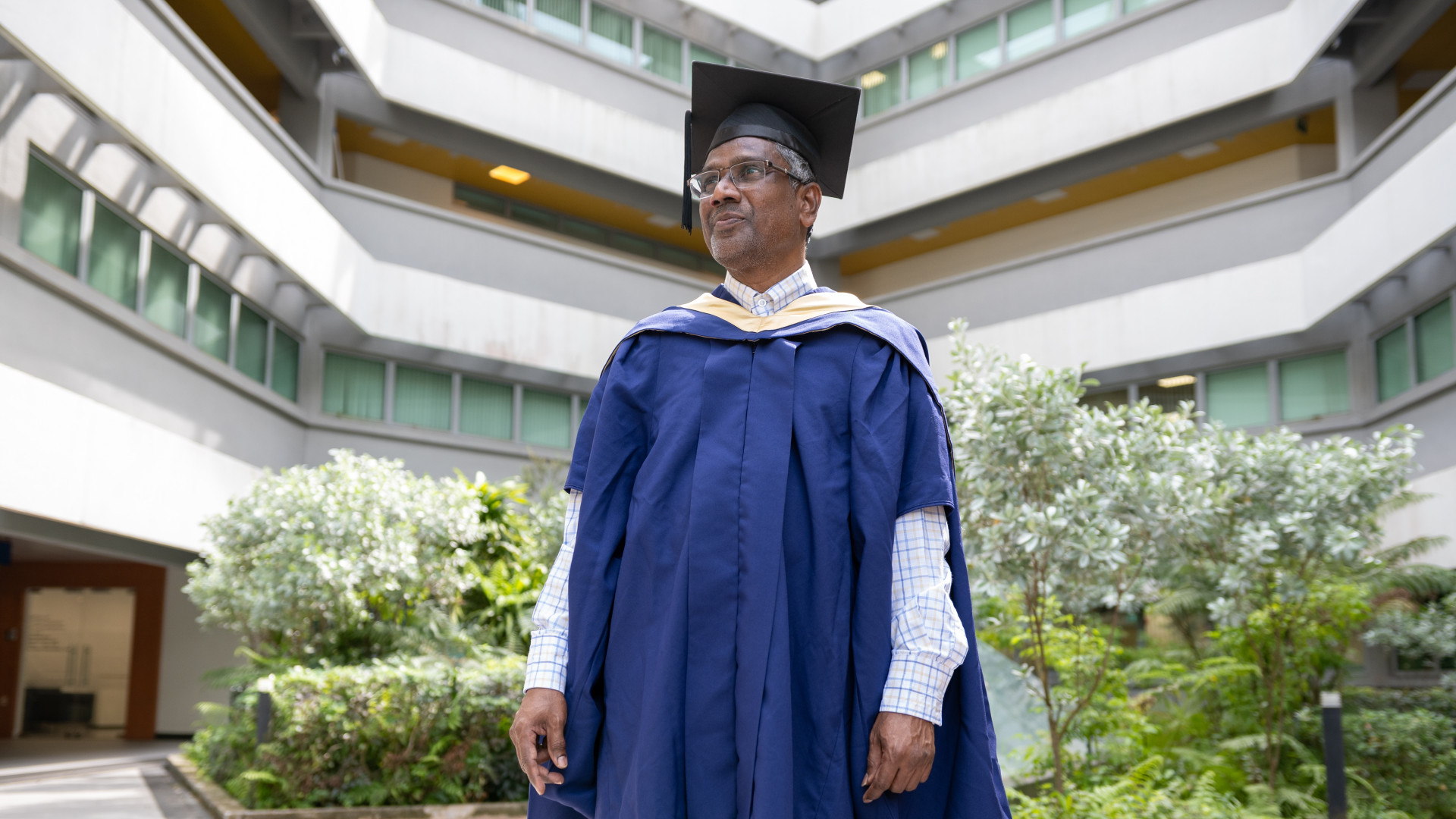
As the oldest student in the cohort, he picked up collaborative problem-solving skills and tech capabilities from his younger classmates. The learning went both ways, as in return, Haja shared with them practical insights from his work experience and advice on time management and building a successful career.
“One of the most powerful things you can do for yourself is to take your future seriously,” he said. “When procrastination whispers that you will do it later, don’t listen, do it now. You don’t have to be perfect, but every step you take towards being organised is a step towards being in control of your life.”
This story is part of NUS News’ coverage of Commencement 2025, which celebrates the achievements of our graduates from the Class of 2025. For more on Commencement, read our stories and graduate profiles, check out the official Commencement website, or look up and tag #NUS2025 on our social media channels!
