


NUS Professor Lim Chwee Teck elected International Member of the prestigious US National Academy of Engineering
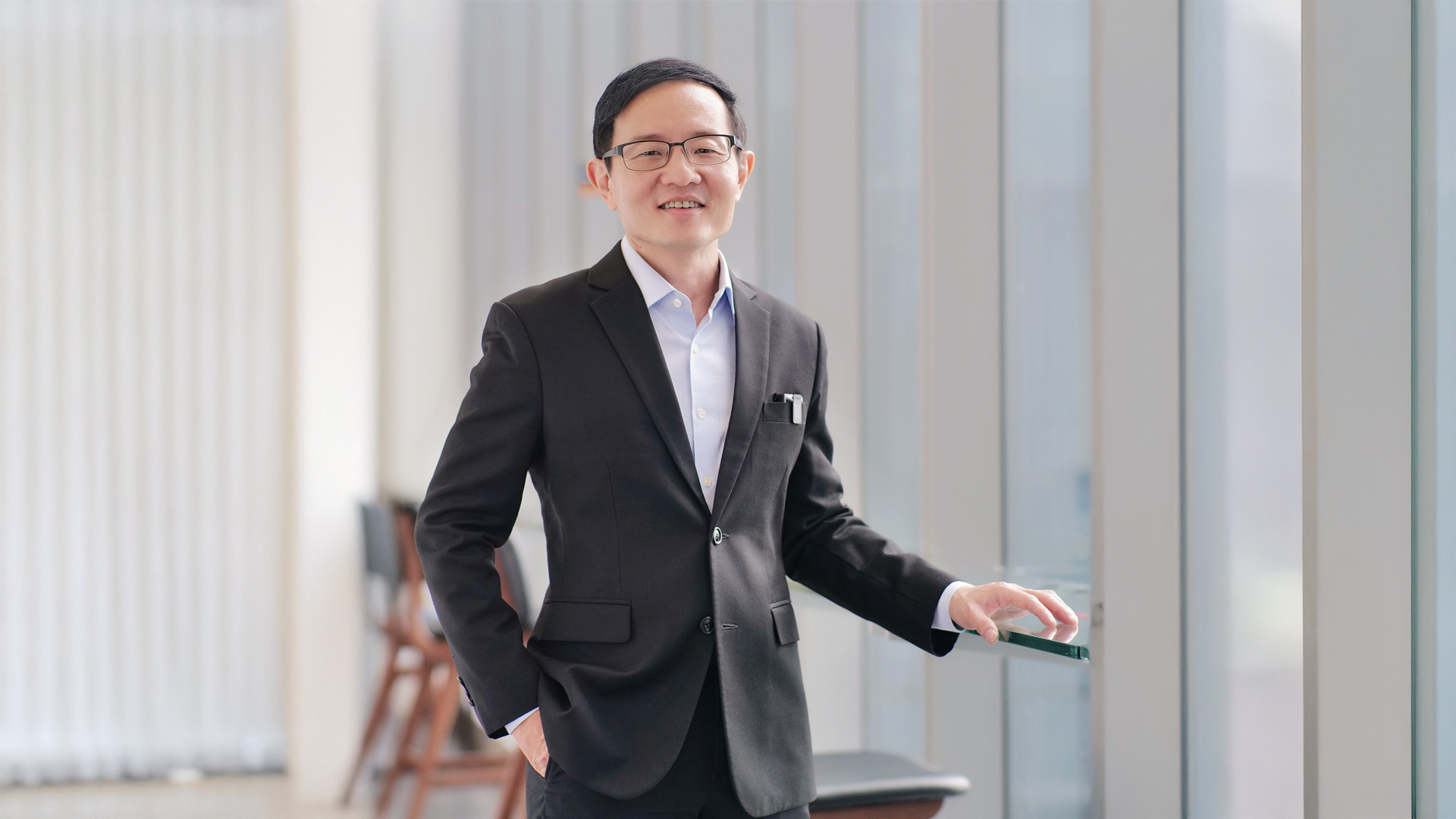
Professor Lim Chwee Teck, an internationally acclaimed biomedical engineer and prolific scientist from the National University of Singapore (NUS), has been elected as an International Member of the United States National Academy of Engineering (NAE), one of the highest professional distinctions accorded to engineers worldwide.
Founded in 1964, the NAE is a private, independent, nonprofit institution that provides engineering leadership. It is part of the National Academies of Sciences, Engineering, and Medicine, an independent, nonprofit organisation chartered by the US Congress to provide objective analysis and advice to the nation on matters of science, technology, and health. This year, the NAE elected 130 new members and 28 new international members.
Prof Lim’s election to the NAE recognises his distinguished contributions to engineering, which have advanced the understanding of human disease biomechanics and enabled innovative approaches to diagnosis and treatment. Members of the NAE are peer-selected for exceptional engineering achievements and leadership.
This latest honour follows Prof Lim’s election as a Fellow of the Royal Society (FRS) in 2024 and as an International Fellow of the Royal Academy of Engineering (FREng) in 2025, making him the first Singaporean to be elected to both organisations, widely regarded as among the most prestigious scientific and engineering institutions globally.
Prof Lim said, “I am deeply grateful for this tremendous recognition from the NAE. It truly reflects the dedication and hard work of my lab members, collaborators, and colleagues, with whom I am proud to share this honour. I look forward to continuing our journey together in translating research from the laboratory into meaningful real-world impact.”
Prof Lim is the NUSS Chair Professor in the Department of Biomedical Engineering at the College of Design and Engineering and Director of the Institute for Health Innovation and Technology at NUS. His research focuses on mechanobiology, microfluidics as well as wearable and AI-enabled systems for health monitoring and therapy. His work has led to influential advances in label-free cell capture and blood-based cancer screening, resulting in patented technologies, licensed innovations, spin-offs and a public-listed company that translate research outcomes into solutions adopted by healthcare and industry partners.
