Shining the spotlight on the hidden mental health impact of childhood obesity
A new public art exhibition is bringing attention to the often-overlooked mental and emotional dimensions of childhood obesity, encouraging audiences to look beyond physical health outcomes to consider how early experiences can shape wellbeing into adulthood.
Titled “The Visualising Obesity’s Impact from Childhood Experiences (VOICE)” exhibition, it draws from findings from a study conducted by the Centre for Behavioural and Implementation Science Interventions (BISI) at the NUS Yong Loo Lin School of Medicine and the Lloyd’s Register Foundation Institute for the Public Understanding of Risk (IPUR) at NUS to examine how childhood obesity is experienced as a complex social and psychological phenomenon, and shaped by family dynamics, school environments and broader societal norms.
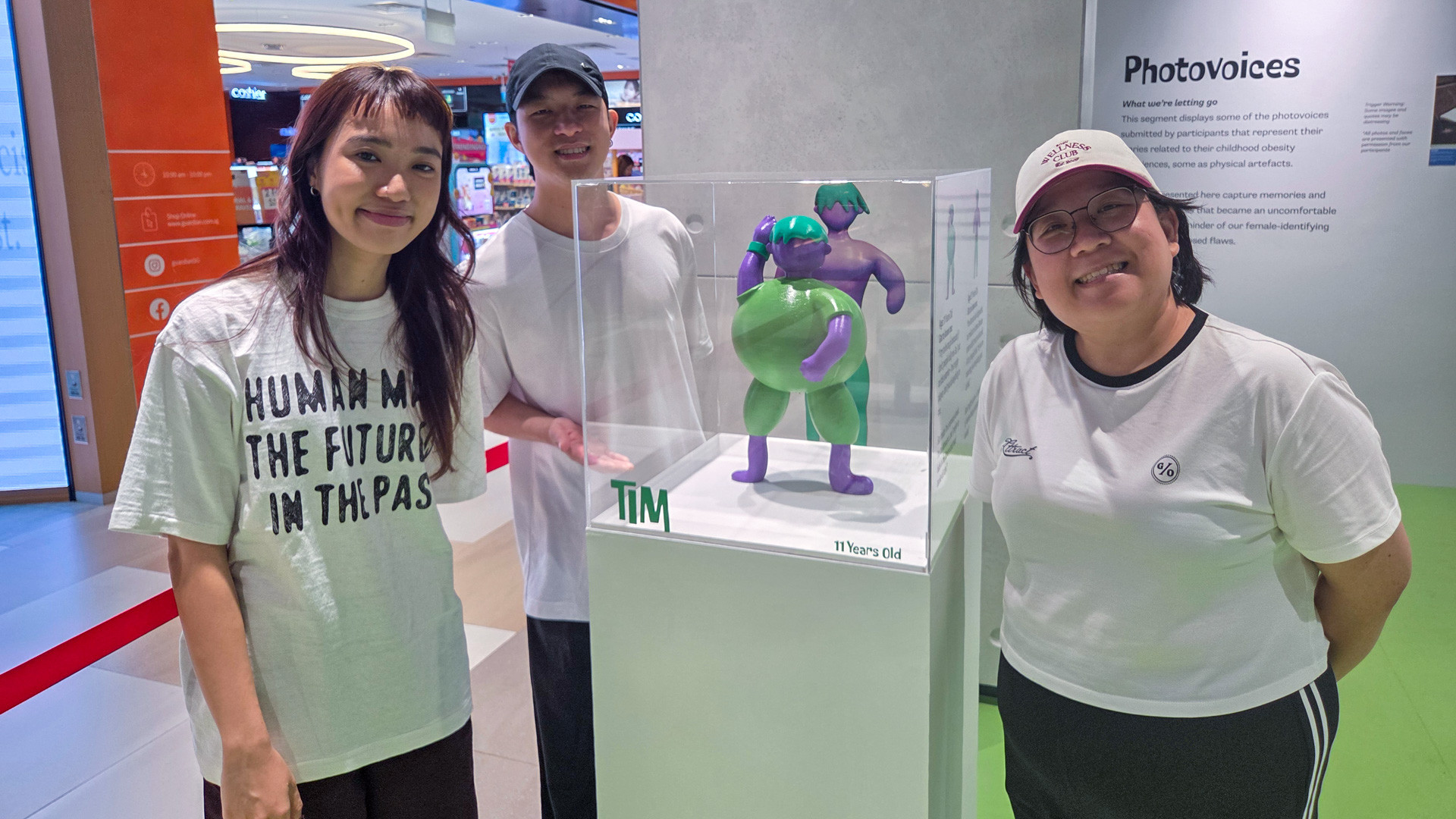
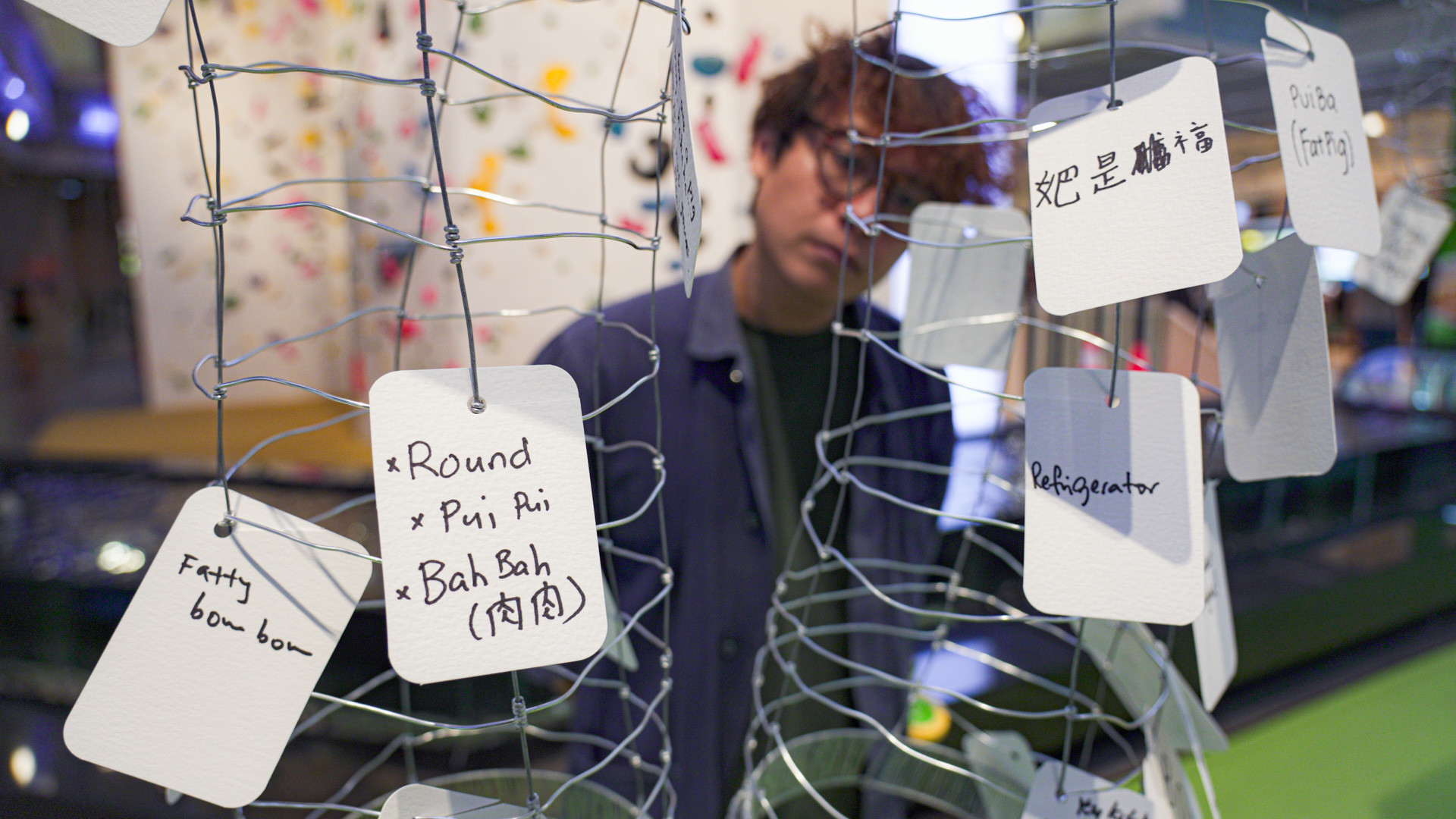
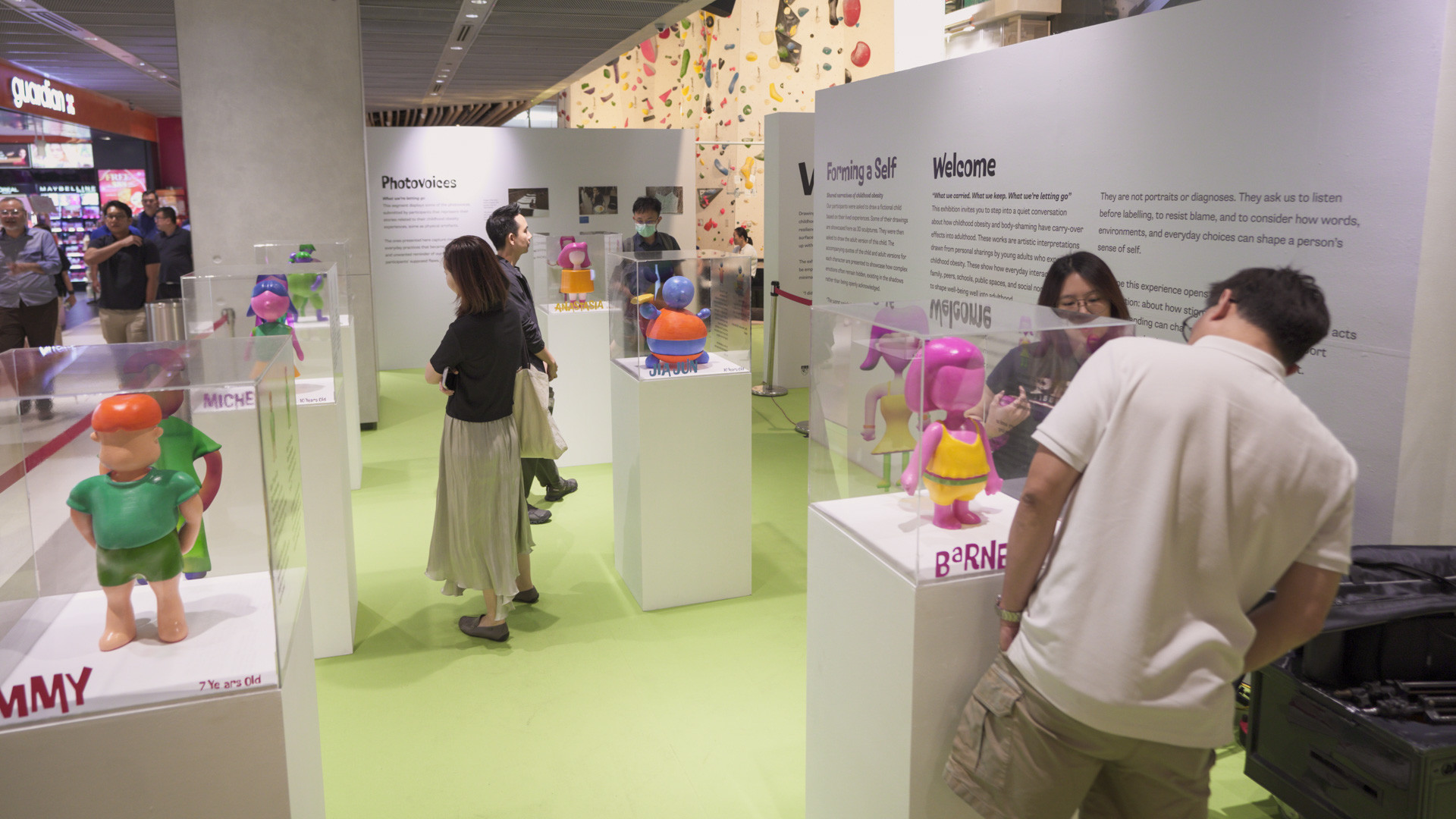
Co-created by researchers, young adults and artists, the exhibition presents an immersive collection of photographs, 3D-printed artefacts and personal narratives. Together, these works invite reflection on how everyday language, social attitudes and intervention approaches around weight can leave lasting impressions on children as they grow up.
Opening up conversations beyond physical health
Dr Jumana Hashim, BISI Research Fellow and Project Lead Investigator, observed that obesity is a complex condition that has implications on an individual’s physical, psychosocial, emotional and mental health. While ample research has been done to uncover the risk to physical health, there is a gap in the understanding of how living with obesity can impact mental health, particularly in Singapore, she noted.
“This is especially important in children as these experiences are during their formative lives, which can influence aspects such as self-worth, relationship with food, and sense of belonging. These are often carried into adulthood and evolve into mental health challenges,” said Dr Hashim. “This is why we dive in to understand the people, places and processes that shape these experiences so that we can inform future weight management interventions, ensuring we don’t perpetuate the risk of any unintended mental health consequences.”
As part of the study, participants took part in a series of workshops and focus group discussions that combined dialogue with creative reflection. Through activities such as photo-journalling and drawing, they shared how their experiences were shaped by “people, places and processes”. These include interactions with family members, experiences in school, social media exposure and prevailing social and cultural attitudes.
Many participants recounted how seemingly casual remarks about weight, repeated pressure to lose weight without guidance, or public scrutiny of their bodies contributed to feelings of shame, isolation and low self-worth. At the same time, they also spoke about coping strategies, resilience and sources of support that helped them navigate these experiences.
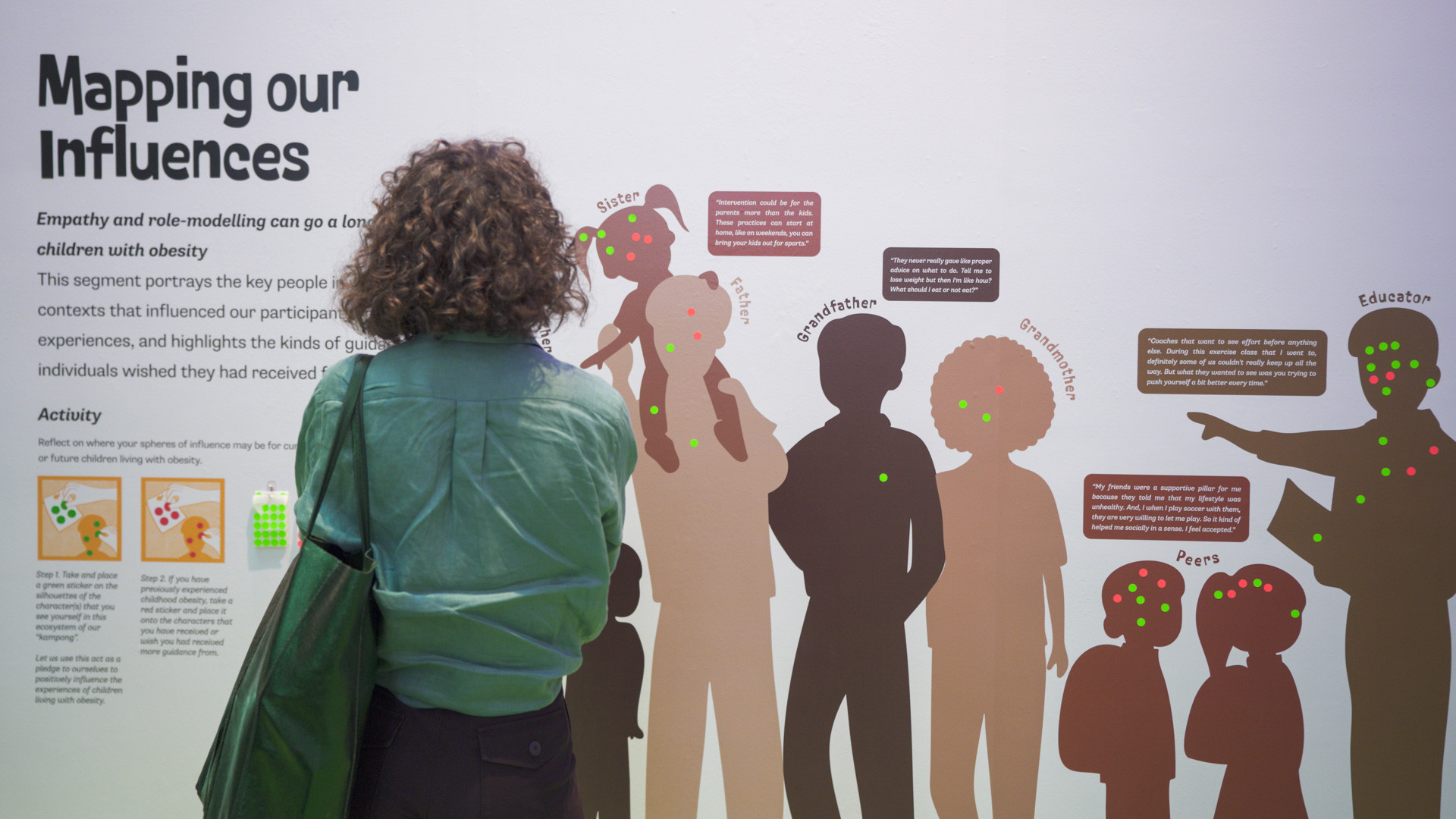
Participants also emphasised the need for positive, empathetic communication by parents, teachers and others, and to avoid language and practices that reinforce stigma or shame. This highlighted the importance of family-centred role modelling, where parents adopt healthy behaviours alongside their children and take greater responsibility for shaping home food environments.
IPUR Director and Project Co-Principal Investigator Prof Leonard Lee, said that the study’s findings point to the importance of empathy-focused, multi-level interventions that involve families, educators and healthcare practitioners, rather than placing responsibility solely on children.
“These insights do not argue against obesity interventions,” said Prof Lee. “Rather, they underscore the need for weight management efforts to be delivered in ways that are sensitive to children’s mental and emotional wellbeing.”
An invitation to reflect on attitudes and behaviours
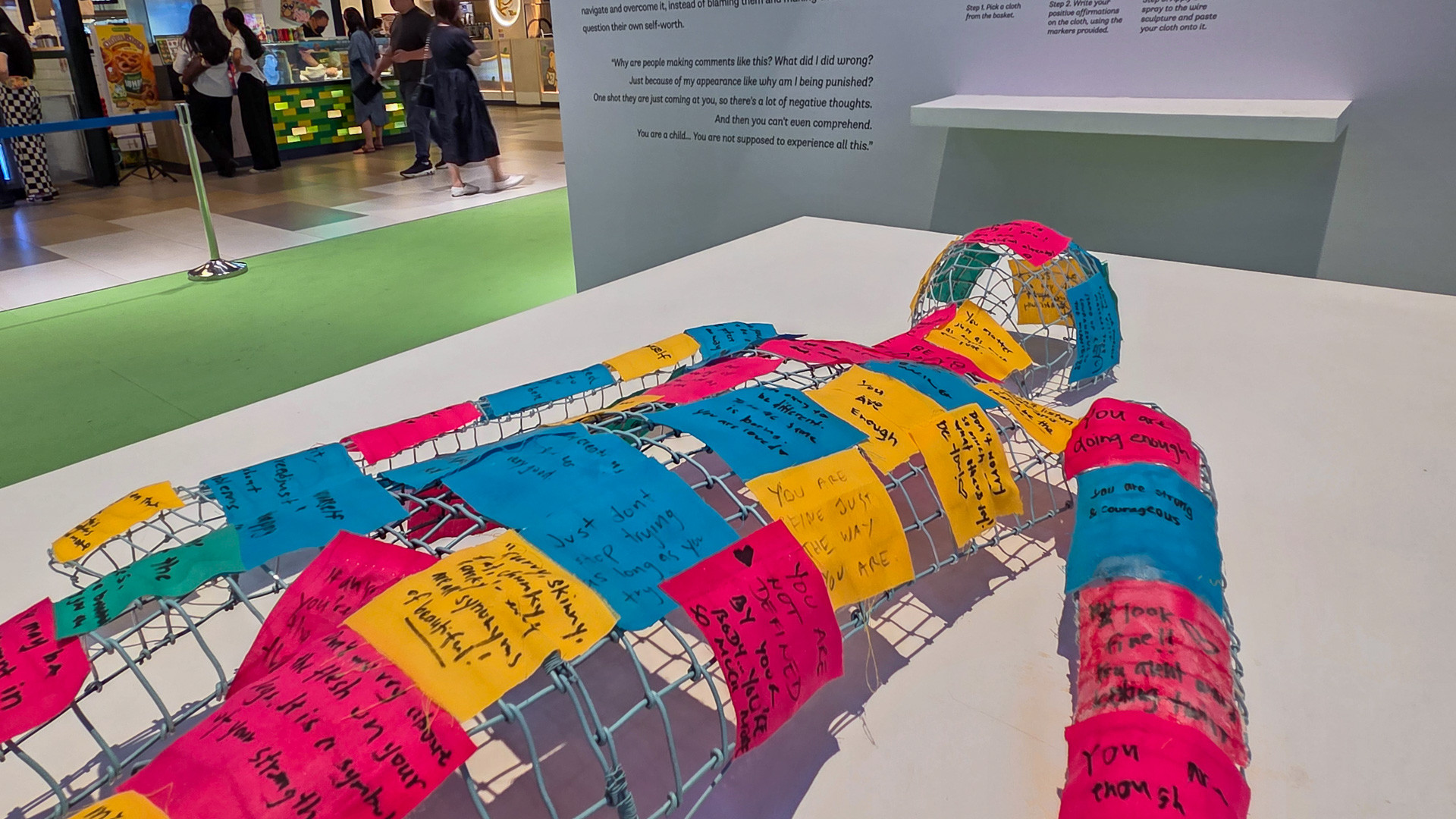
The exhibition was designed to mirror the thought processes that shaped participants’ sense of self as they grew up with obesity. Through the artworks, it presented memories of being labelled, watched or stigmatised, alongside the emotional responses and enduring beliefs about self-worth, health and control that emerged from these experiences.
Exhibition artists Joshua Tan and Hannah See shared: “We wanted to present participants’ voices in an intimate and immersive way. The exhibition format allows audiences to engage with these stories at their own pace, creating space for reflection, empathy and deeper understanding.”
For survey participants like Siti Fajriyah Binte Mohammad Eddie, the exhibition provided a platform to see their experiences recognised and shared. It also serves as a reminder that there are others who have lived through similar challenges and that their stories are not isolated.
“[This experience] highlighted something I hid or thought didn't matter enough, even though it shaped most of my life. I hope the exhibition educates more people about the challenges that come with childhood obesity and how those around them play a bigger supporting role than they realise.”
Educator Trishnu Kaur, who visited the exhibition, described it as engaging and insightful, attributing it to its accessibility and thoughtfully designed activities woven throughout the space. She shared, “I especially appreciated the contrast between activities that asked visitors to share something negative they’d heard and then to share a positive message with other visitors. It felt like a release and then [a sense of] validation, which was very powerful!”