


An NUS undergraduate’s journey of growth and impact at the Young Southeast Asian Leaders Initiative

It was a whirlwind five weeks in the United States for second-year Computer Science undergraduate David Goh as he embarked on a fulfilling journey, living and learning valuable lessons on social entrepreneurship, sustainable development and leadership, while reflecting on how these lessons could be put into practice.
David was one of 50 young leaders selected from ASEAN for an academic fellowship at the University of Texas at Austin (UT Austin) as part of the Young Southeast Asian Leaders Initiative (YSEALI), and one of two Singaporeans selected for the Innovation, Entrepreneurship, and Economic Empowerment track. The prestigious YSEALI fellowship is supported by the US government and aims to promote leadership development and strengthen networks among emerging leaders in Southeast Asia.
Entrepreneurship and innovation for positive change
During the fellowship, participants were immersed in a comprehensive curriculum of workshops, lectures, and practical activities designed to equip them with the essential skills for driving positive change in their communities.
The programme, hosted by UT Austin and supported by the US Department of State’s Bureau of Educational and Cultural Affairs, brought participants through an introduction to key entrepreneurial skills, including team formation, financial structuring, and the art of storytelling – vital tools for success in the business world.
David’s time in the US saw him learning from the renowned Texas McCombs School of Business at UT Austin. As part of the programme, entrepreneurs from diverse industries shared their personal journeys and offered invaluable advice on effectively applying these entrepreneurial skills in real-world settings.
Additionally, David completed a comprehensive nine-week online module offered in collaboration with the University for Peace’s Centre for Executive Education (UPEACE). This segment of the programme centred on entrepreneurship, innovation and social change, with participants engaging in case studies and interactive modules that placed a strong emphasis on practical, real-world applications.
Hands-on learning for social impact
As part of the programme’s learning objectives, fellows had the opportunity to visit a variety of initiatives focused on social good. This included volunteering at the Houston Food Bank and Texas Food Bank, where participants packed food supplies to be distributed to those in need, gaining valuable insight into food security issues affecting the community.
Additionally, visits to the Austin Community Colleges and Community First! Village highlighted how these organisations intentionally created sustainable and impactful solutions for their communities. For instance, the Community First! Village assists individuals transitioning out of homelessness by creating personalised plans to afford housing and providing a supportive community to promote their well-being.
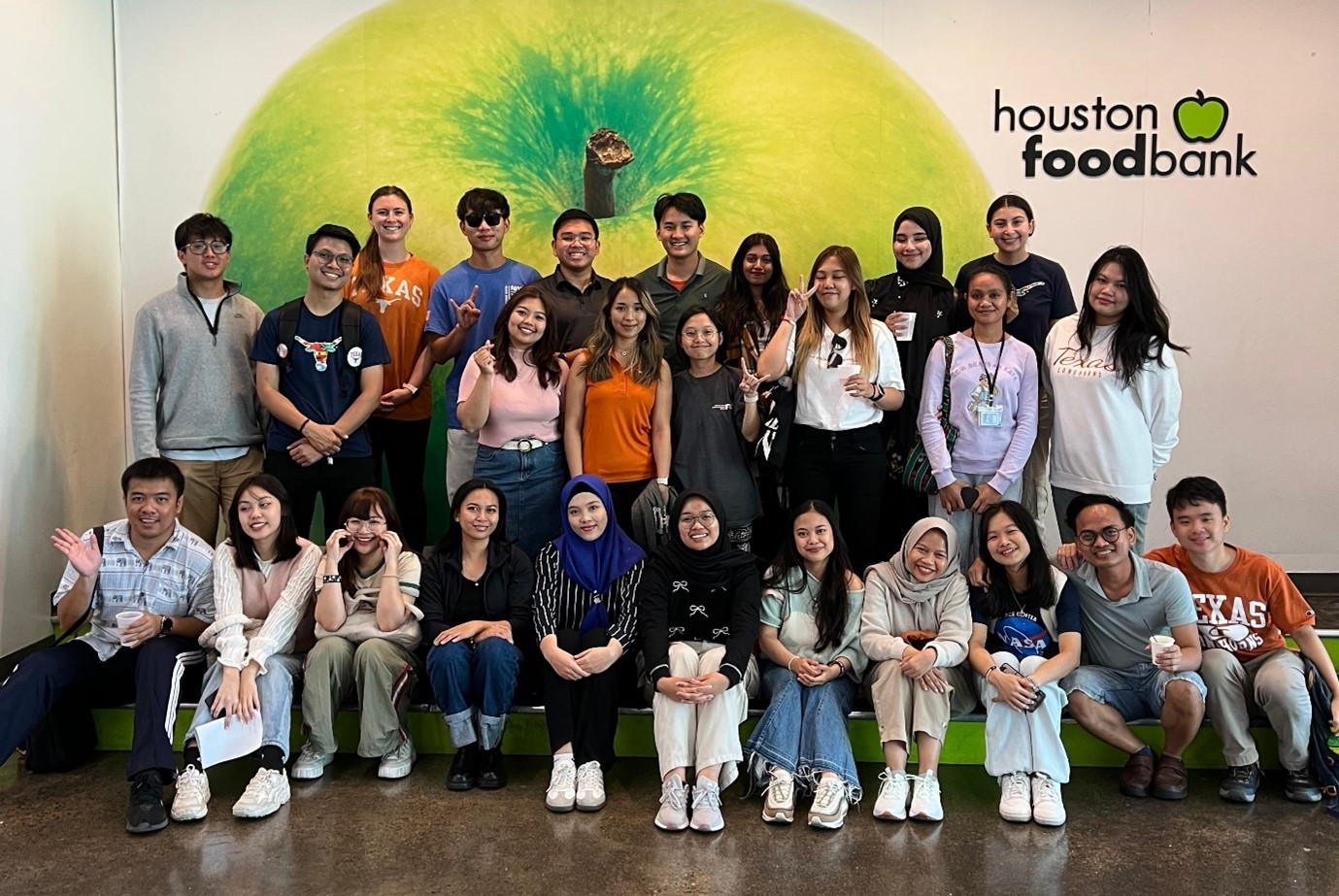
During their classes, speakers addressed key concepts such as microfinancing, business models, and funding strategies, providing practical tools for developing businesses that are both financially viable and socially sustainable.
Cultural and educational immersion
Besides taking in the iconic sights and landmarks of Texas, such as the Texas Capitol, visits to The Alamo, Space Center Houston, and the Houston Museum of Natural Science, provided participants with valuable insights into Texas' historical and scientific significance.
The last two weeks of the programme saw the fellows exploring the East Coast, where they visited major cities like Boston, New York, Philadelphia, and Washington DC, and toured renowned academic institutions such as Harvard University and Yale University. They also visited important cultural landmarks, including the Liberty Bell, Independence Hall, the Statue of Liberty, the US Capitol, and the White House.
These visits not only enriched the fellows' understanding of American history and culture but also offered them a broader perspective on the country's educational and civic foundations.
Inspiration and dedication through diversity
Building on the lessons and experiences gained both within and beyond the classroom during his trip, David also reflected on the stories and lessons shared by the other fellows hailing from 11 ASEAN countries.
Among them was Mr Augustus Bas from the Philippines who co-founded 01nnovations, a start-up committed to developing sustainable, innovative solutions through the use of rainwater to address energy challenges faced by floating villages in the region. Through his collaboration with local communities, Augustus’ entrepreneurial spirit has helped these communities harness rainwater for both water storage and energy generation, providing eco-friendly solutions that empower residents and enhance their quality of life.
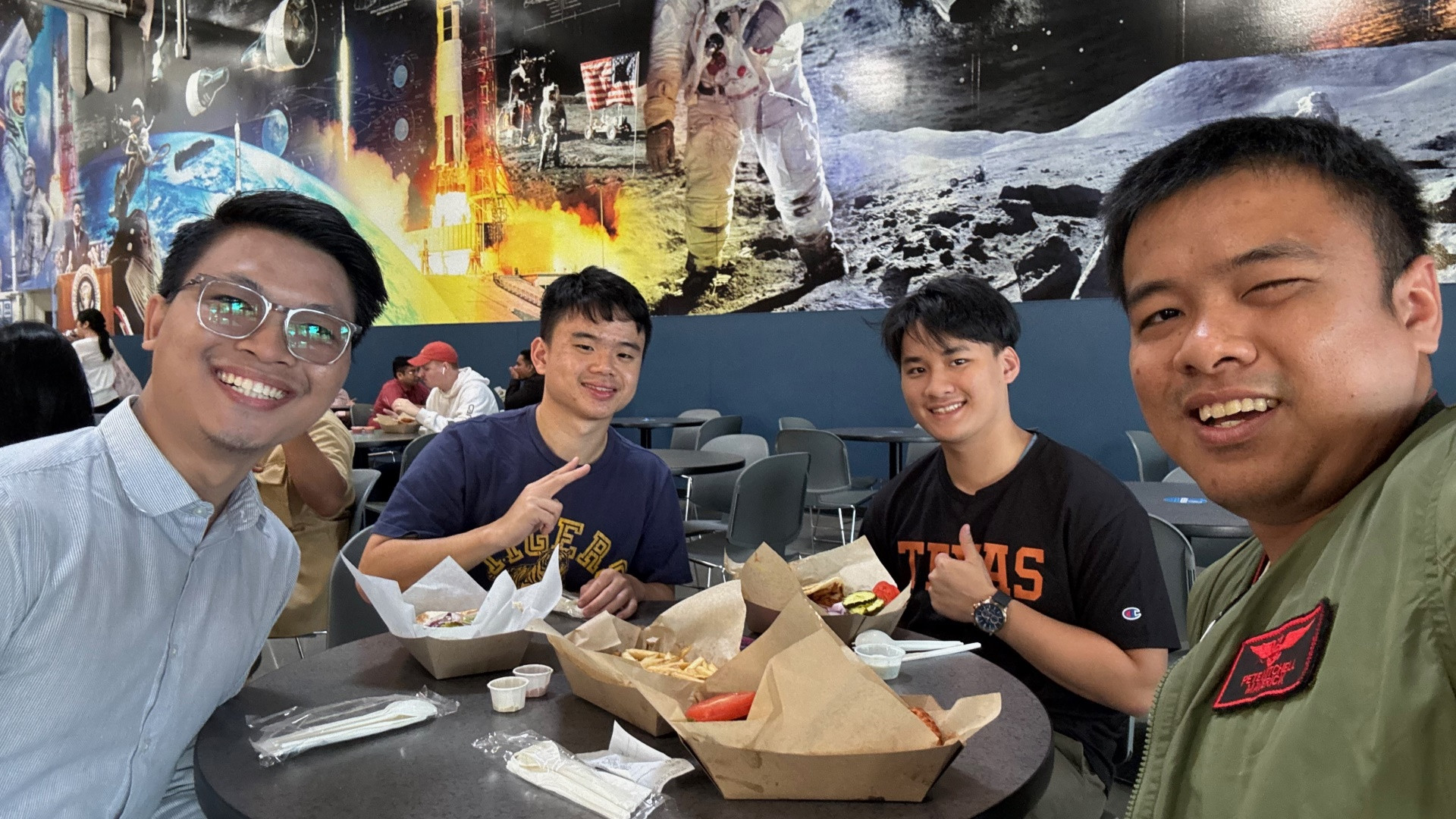
“I was deeply moved by the diversity of stories and lessons shared by the fellows, all of which helped broaden my understanding of the challenges and opportunities faced by each community,” said David.
“Their dedication to creating positive change and the passion they bring to their work really struck me; whether addressing environmental issues, social inequalities, or community development, the projects spearheaded by the fellows in their respective countries were driven by a deep commitment to their local communities,” David added.
This exchange of ideas and experiences not only deepened David’s appreciation for the rich diversity of Southeast Asia but also helped him understand what fuels the drive behind everyone’s work. For David, the programme was a reminder of the power of collaboration and the importance of connecting with like-minded individuals to create a lasting impact.
Investing in people
The experiences drawn from the academic fellowship resonated deeply with David in the context of his journey in NUS and the College of Alice & Peter Tan (CAPT), where he actively contributes to social innovation projects, and as the head of computing at Project Sa’Bai, a joint student initiative between NUS Medicine and NUS Computing that provides sustainable healthcare services and education to local communities in Cambodia.
Expressing his deep gratitude for his experiences in CAPT, David said: “The knowledge and insights gained from my courses at CAPT significantly enhanced my ability to engage with diverse communities. The academic foundation also provided me with a deeper understanding of the complexities of community engagement, which I could apply in real-world contexts.”
The opportunity to collaborate with like-minded individuals from various cultural backgrounds not only expanded David’s worldview but also reinforced his belief in the power of collective action.
Reflecting on the immense dedication shown by his peers during the fellowship, David recalled a key piece of wisdom he gleaned from one of his professors – “People are investing not in the idea, but in the people", underscoring the message that it is the passion, commitment, and vision embodied by the people behind any project that truly drives change.
By College of Alice & Peter Tan (CAPT)
