Rethinking Asia’s response to the global climate crisis
At the Asia Research Institute’s 25th Anniversary Distinguished Lecture, experts discussed strategies to protect Asia’s most vulnerable communities from the worsening impacts of climate change.
From the glacial collapse in Nepal in August to the floods in Bangkok in September this year, Asia is on the frontlines of the global climate crisis. Yet, many of the hardest-hit communities have contributed relatively little to the emissions driving it.
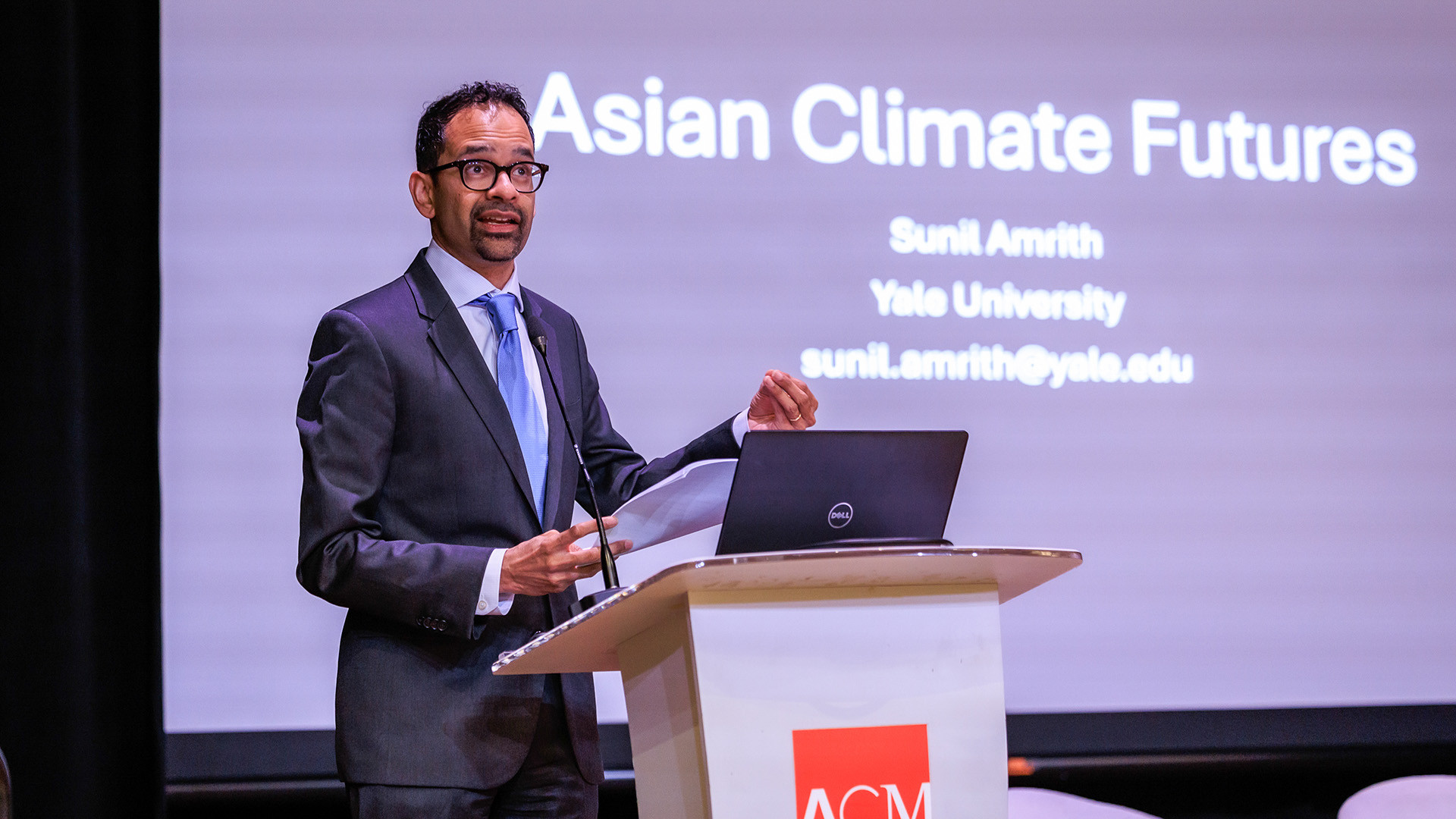
This scale of impact, coinciding with a profound shift in global economic and technological power towards Asia, makes it likely that the region will become the epicentre of new ideas and visions of a sustainable future, said Professor Sunil Amrith, Director of the Whitney and Betty MacMillan Center for International and Area Studies at Yale University.
He was delivering a Distinguished Lecture on Asia’s climate future as part of NUS Asia Research Institute’s (ARI) 25th anniversary celebrations. Held at the Asian Civilisations Museum on 14 October 2026, the lecture drew an audience of about 130 policymakers, academics, NUS alumni and members of the public.
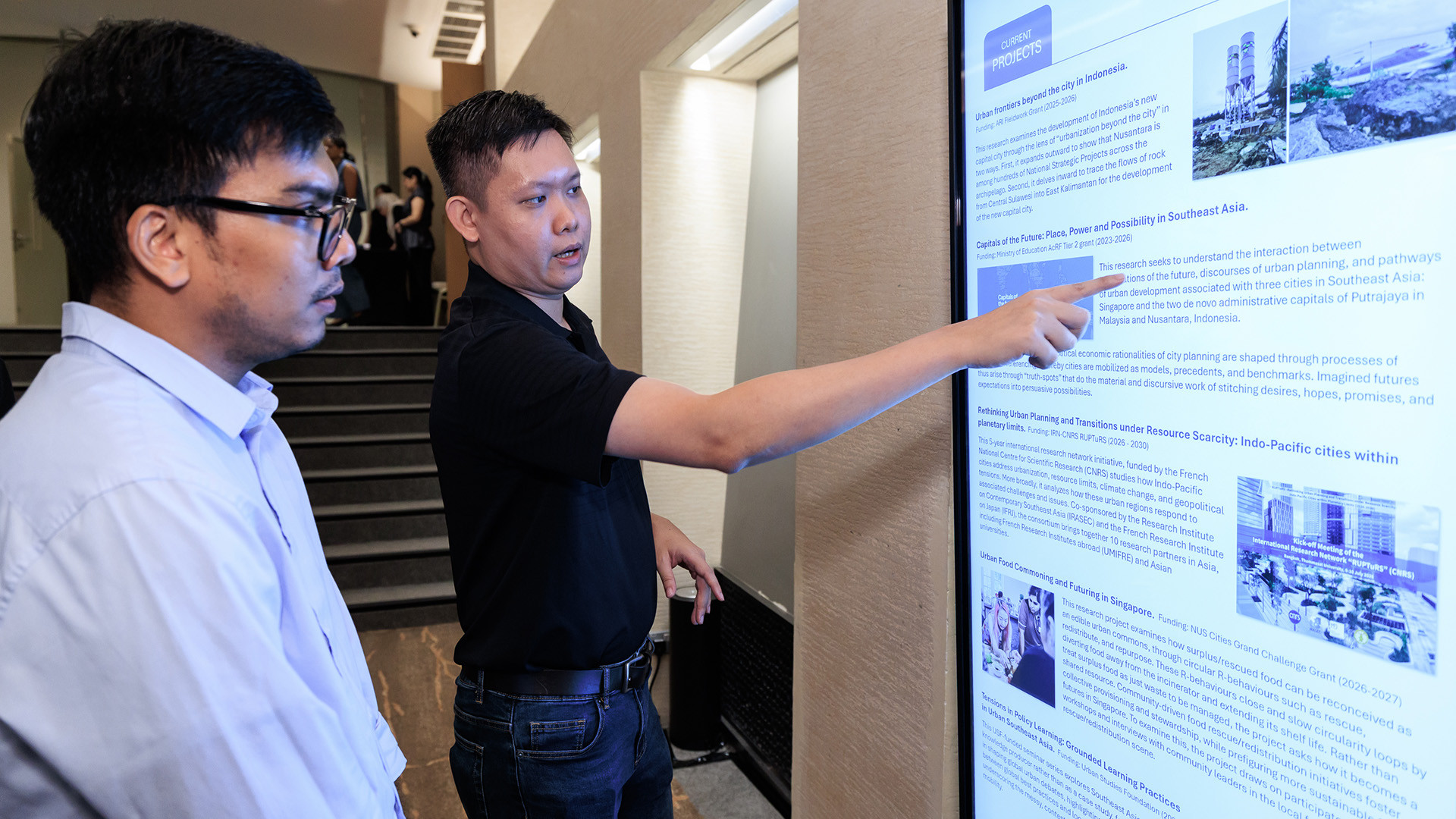
On Asia, from Asia: Celebrating 25 Years of research and impact at the Asia Research Institute |
Looking beyond short-term fixes
Many governments in Asia still take the climate pragmatism approach, investing in practical measures to protect communities from the immediate impact of climate change. For instance, storm shelters in Bangladesh are being redesigned to be more gender-sensitive and accommodating of evacuated families’ livestock.
But such measures, while essential, cannot address the underlying causes of the climate crisis: the continued dependence on fossil fuels and unsustainable economic development.
“Climate pragmatism alone may resemble the use of sticking plasters to stop a haemorrhage,” Prof Amrith noted. “Without rapid progress towards addressing the root causes of the climate disasters we're living through, we face a future of escalation in which piecemeal solutions are always one step behind.”
A second approach lies in accelerating the transition to clean energy. Though decarbonisation across the Asia-Pacific has progressed faster than expected, coal, oil and gas remain central to the region’s energy mix even as renewables expand.
The transition, cautioned Prof Amrith, cannot rely on market forces alone. Government action, public investment and infrastructure are indispensable.
A third approach calls for what Prof Amrith described as a “non-dualistic” perspective which recognises that human wellbeing is entwined with the health of our ecosystems. In India and Bangladesh, courts have recognised rivers as legal persons, reflecting a willingness to incorporate non-human-centric perspectives into climate policy.
Prof Amrith argued that the way forward is to bring these three approaches together: protecting vulnerable communities, accelerating the clean energy transition and recognising our interdependency with the natural world.
The law as a tool for change
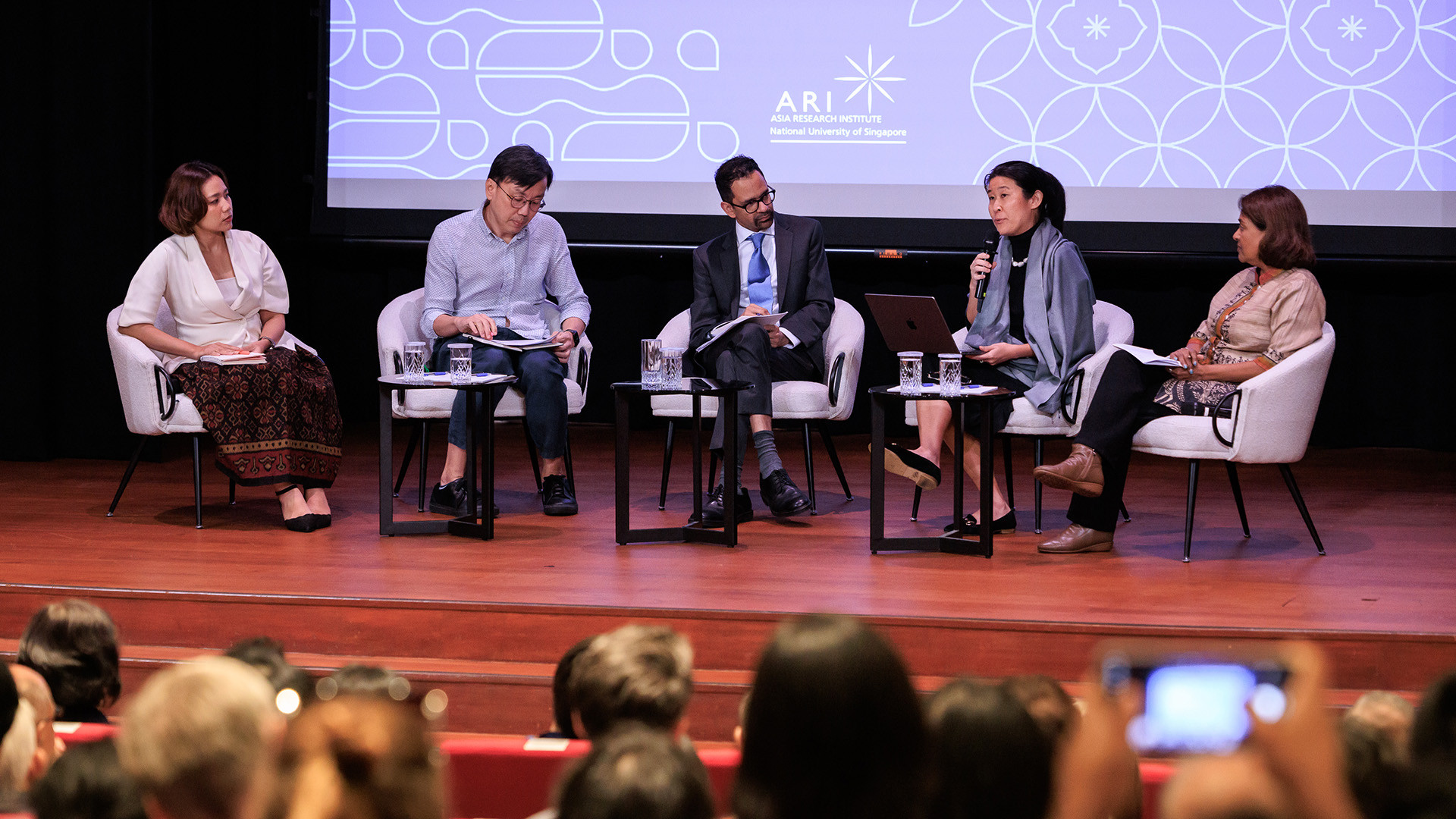
The lecture was followed by a panel discussion, where speakers shared concrete examples of how citizens across Asia are responding to the climate crisis, from legal action to grassroots initiatives.
In the Philippines, climate justice is being pursued through the courts, as affected communities seek to make their voices heard and hold powerful corporations accountable.
Associate Professor Jolene Lin, Director of the Asia-Pacific Centre for Environmental Law at NUS, cited how Filipino communities are banding against Shell for materially contributing to the harm they suffered following Super Typhoon Rai in 2021, which was reported to have killed over 400 people and caused billions of dollars in property damage.
Despite significant legal obstacles, the survivors are determined to pursue their claim. “This is a group of people suffering the brunt of climate change through super typhoons almost two or three times a year, and they are not willing to concede defeat,” said Assoc Prof Lin.
She noted that legal reform is also taking a quieter but no less significant form through social forestry, which empowers local and indigenous communities across Southeast Asia to manage forests themselves rather than leaving conservation solely to the state.
Empowering communities to take charge
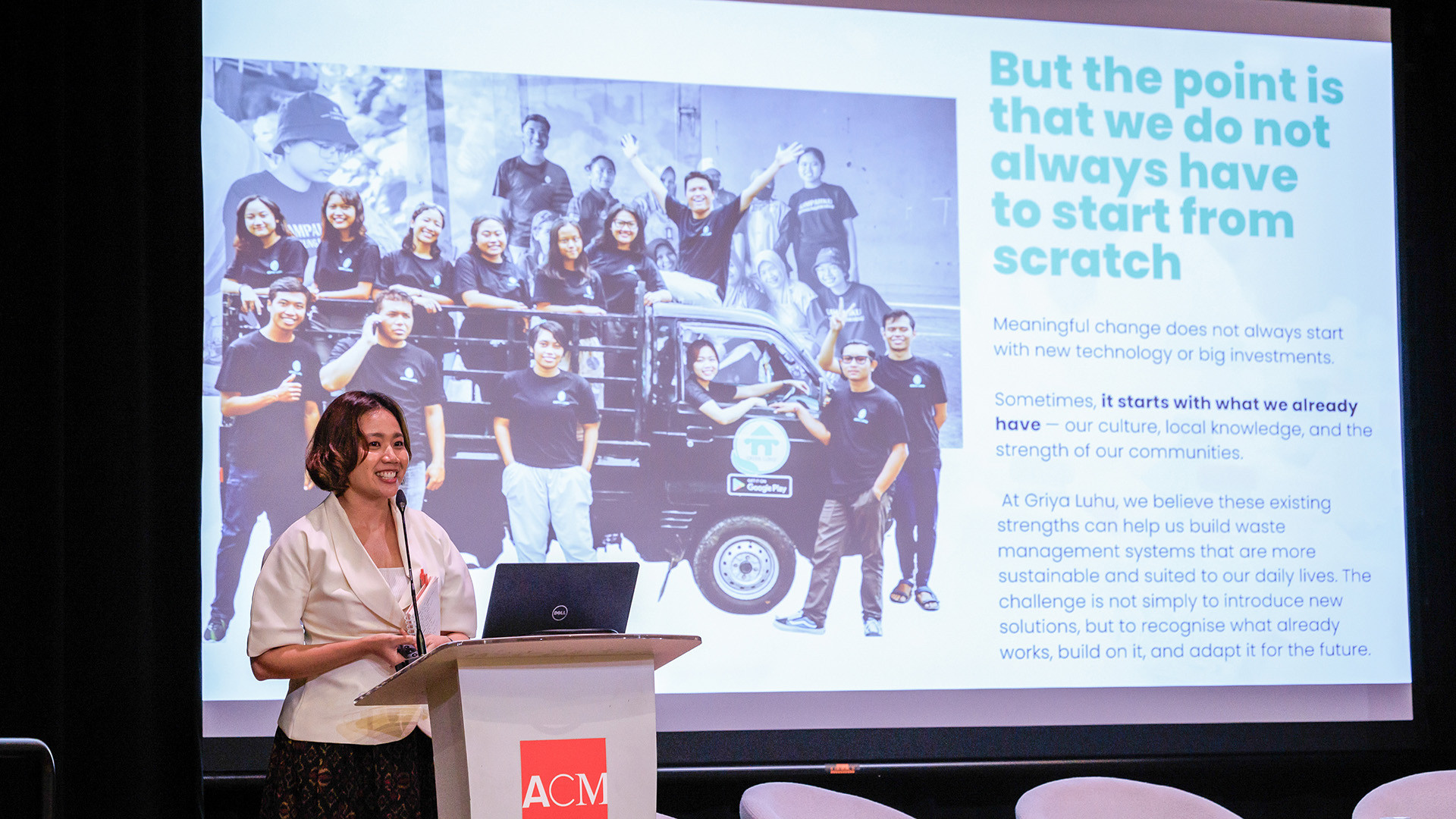
Beyond state-led interventions and legal challenges, community initiatives offer another avenue for climate action. In Bali, Indonesia, digital waste management start-up Griya Luhu educates communities on waste segregation while encouraging residents to take control of environmental initiatives in their neighbourhoods.
“We don’t want to view the community as an object of the solution, who just receive or follow the intervention… We want them to take ownership of the solution,” said its co-founder Ms Ida Ayu Sri Suya Patni.
This sense of ownership, she noted, often draws on existing cultural resources, including the Hindu-Balinese philosophy of Tri Hita Karana, which emphasises balance between people, nature and the spiritual realm, and the annual tradition of Nyepi (Day of Silence), during which the island goes without electricity, vehicles or noise for 24 hours.
Towards a more just climate future
Ultimately, protecting Asia’s most vulnerable communities requires rethinking how development is pursued, how responsibility for climate change is assigned, and how communities participate in shaping their own futures.
Responding to a question from Assoc Prof Chang Jiat-Hwee, Research Leader of ARI’s Science, Technology and Society cluster, on whether governments in Asia are taking on a stronger role in protecting citizens from climate change, Prof Amrith acknowledged that while state-led, top-down development has often caused serious ecological and social harm, without government involvement, the alternative is vulnerable populations being left with no protection at all.
This tension points to a larger truth: none of the approaches discussed can succeed in isolation. As the region confronts an increasingly uncertain climate, the task is to build responses that are not only pragmatic but also culturally grounded, inclusive and just.