Building a healthier NUS, one habit at a time
New initiatives aim to help NUS staff build healthier lives and stronger connections
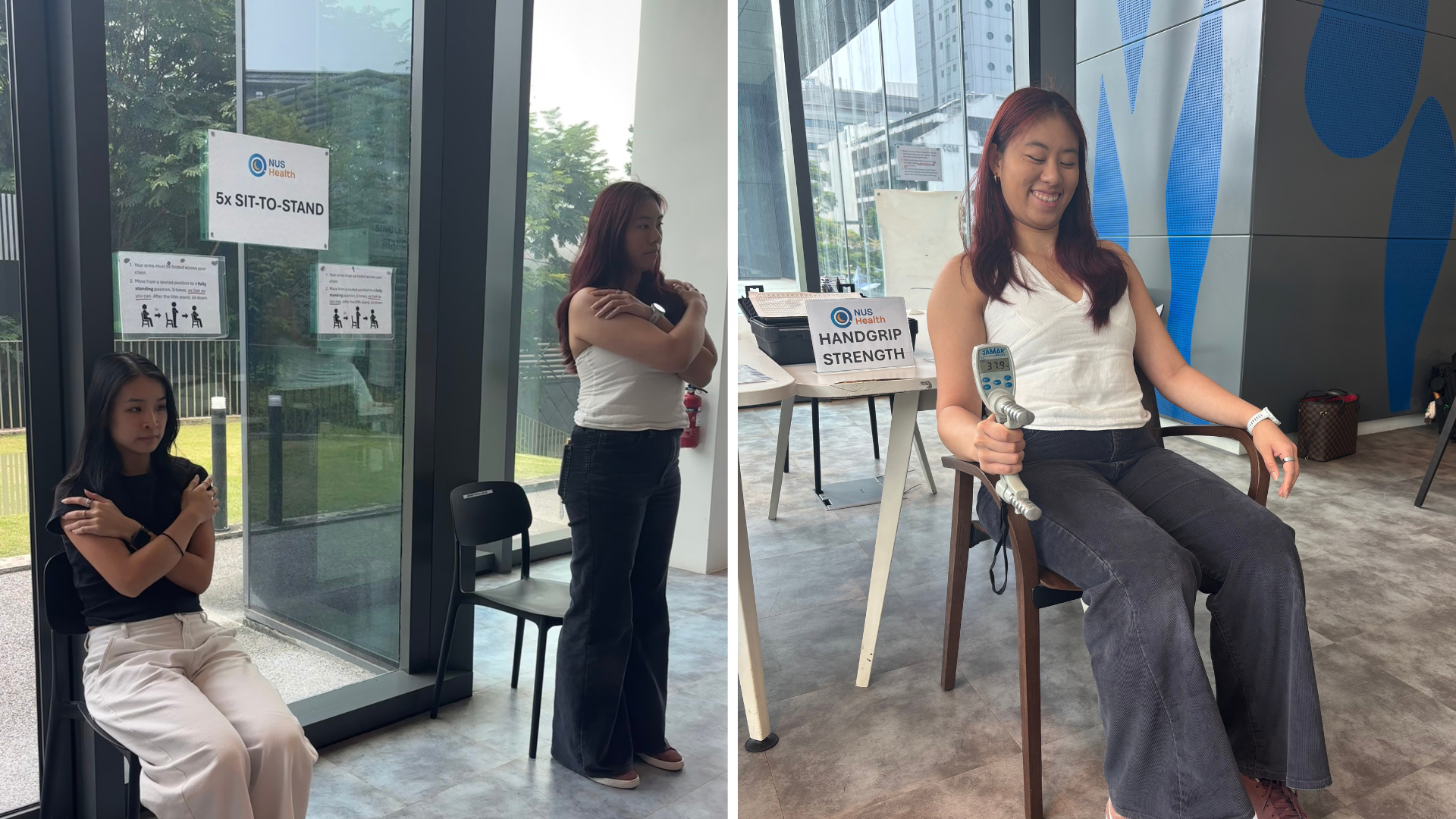
Designed to help NUS employees build lasting habits to support their health, NUS Health is the latest in a slew of initiatives to ensure employees lead happy, healthy lives. The programme is built around three key pillars: optimising sleep, reducing sedentary time and increasing physical activity.
NUS Health follows the year-long NUS1000 and NUS 1000 Staff Edition studies conducted by the Centre for Sleep and Cognition at the NUS Yong Loo Lin School of Medicine (NUS Medicine). The studies found that undergraduate freshmen and staff are more sedentary and less physically active than participants in the SG70 Towards Healthy Longevity study, who are above 70 years old. This is a concern due to the national uptick in chronic conditions such as hypertension and type 2 diabetes, which are linked to modifiable lifestyle factors such as insufficient sleep and prolonged inactivity.
Turning data into healthy habits
Led by Professor Michael Chee, Assistant Professor June Lo and Assistant Professor Jocelyn Chew from NUS Medicine, NUS Health comprises a multidisciplinary team that includes members from NUS Saw Swee Hock School of Public Health, NUS Health and Wellbeing, and NUS Faculty of Arts and Social Sciences. Drawing on different areas of expertise, the team will harness insights from the study to devise the right solutions. Among participants, substituting 30 minutes of physical inactivity with sleep or moderately vigorous physical activity was associated with significantly lower body mass index (BMI) and arterial stiffness, which are measures of vascular ageing.
“Many health programmes like to highlight panels of biomarkers and AI-driven advice,” noted Prof Chee. “While these tools are valuable, their effectiveness ultimately depends on tracking markers that are functionally meaningful and actionable, and providing guidance that is scientifically sound, practical and sustainable.”
NUS Health builds on years of research into sleep patterns, behavioural change and physical activity. It also draws from real-world experience with wearable health devices.
“Our goal is not simply to generate research, but to translate the best available science into meaningful improvements in everyday health for our staff,” he said.
How NUS Health works
From August to October 2026, NUS Health will recruit 2,000 staff members for a study that will run for 15 to 16 months across three phases.
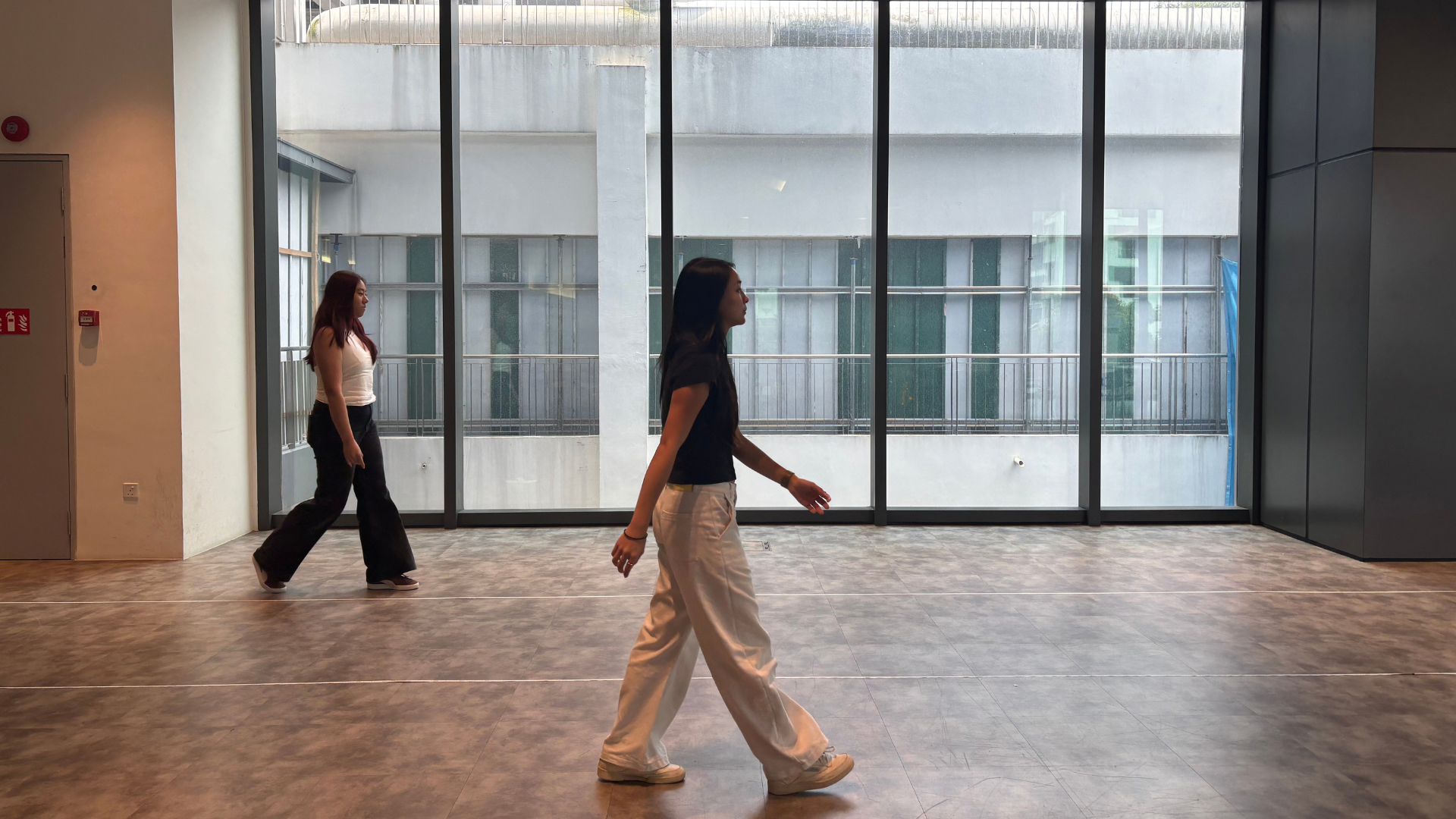
In the first phase, participants will be fitted with an Oura Ring to track sleep patterns and daily physical activity, with daily stress and mental wellbeing ratings collected via smartphone. They will also undergo functional tests and provide information about their existing health values and habits.
In the second phase, participants will receive personalised prompts and goals set against the baseline data that has been collected. Those who hit their health goals will receive tickets for a monthly ballot to win cash prizes.
“The cumulative effect of modest sustainable choices may seem unremarkable in the moment, yet over years and decades they become profoundly meaningful,” explained Prof Chee.
In the final phase, participants will continue wearing their health trackers and attend regular screenings to assess habit retention. These assessments will evaluate the impact on their health markers, wellbeing and physical performance, demonstrating the intrinsic rewards of investing in health.
Focus on wellbeing at NUS
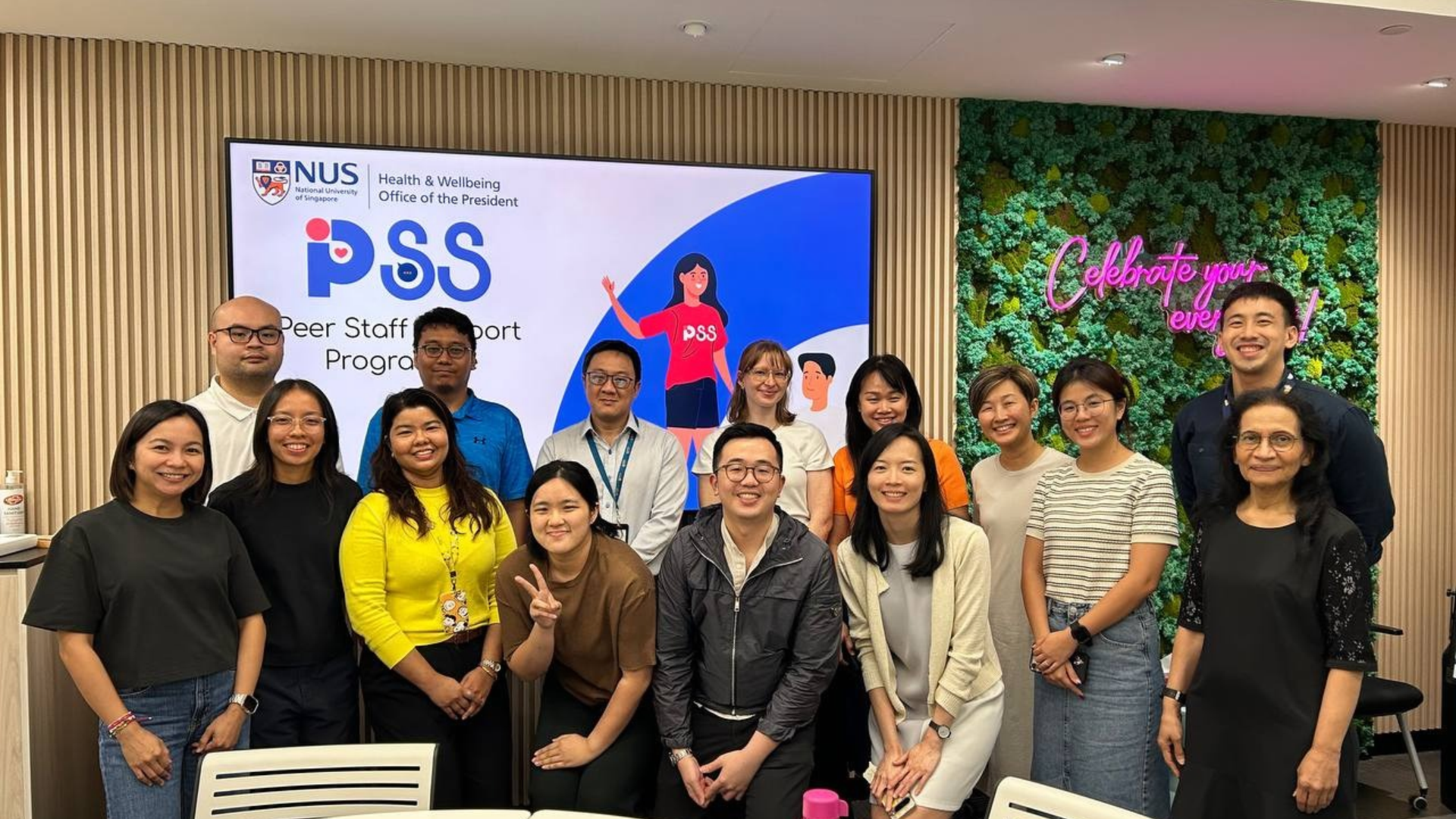
NUS Health is just one of many initiatives that support the mental, social and physical wellbeing of the NUS community. The NUS Health and Wellbeing (HWB) unit regularly shares educational posts on social media, spanning topics on mental wellness, emotional literacy and managing grief. NUS HWB also set up the Peer Staff Supporters (PSS) network, now in its fifth year, which trains peer volunteers to help fellow colleagues who may be going through a rough patch. According to the annual HWB Wellbeing Survey, staff who had been trained as PSS reported significantly higher levels of resilience, compassion and wellbeing at work than their non-PSS colleagues.
In addition to emotional support, NUS HWB is encouraging personal growth among staff. In partnership with the NUS School of Continuing and Lifelong Education, they are launching The Happiness Ripple in October 2026, a five-week masterclass aimed at helping participants grow and live well through understanding themselves better, strengthening relationships and building optimism. The programme, which takes place for three hours every week, is also open to members of the public, offering an opportunity for staff to learn alongside friends and loved ones.
Together, these initiatives show NUS’ commitment to empowering staff to build healthier, more fulfilling lives.