On Asia, from Asia: Celebrating 25 years of research and impact at the Asia Research Institute
The Asia Research Institute (ARI) brings experts from across disciplines together to tackle pressing problems, nurtures budding researchers and promotes international partnership.
Yoga Prasetyo was only two years old when his mother left their village in Indonesia to work in Singapore. She left him in the care of his uncle and aunt, like many parents whose work took them across borders in search of better opportunities for their families.
Years later, Yoga found himself returning to the same story from a different perspective. He became a researcher on the Child Health and Migrant Parents in Southeast Asia (CHAMPSEA) project in the Migration and Mobilities cluster at NUS’ Asia Research Institute (ARI), the Institute’s longest-running research study, which investigates how long-term parental migration affects children left behind.
Having grown up as a “left-behind child” himself, he now works alongside researchers who study families like his own.
Yoga’s journey captures a distinctiveness about ARI’s work over the past 25 years – that research on Asia can extend beyond academic papers to changing the lives of the people whose stories make that research possible.
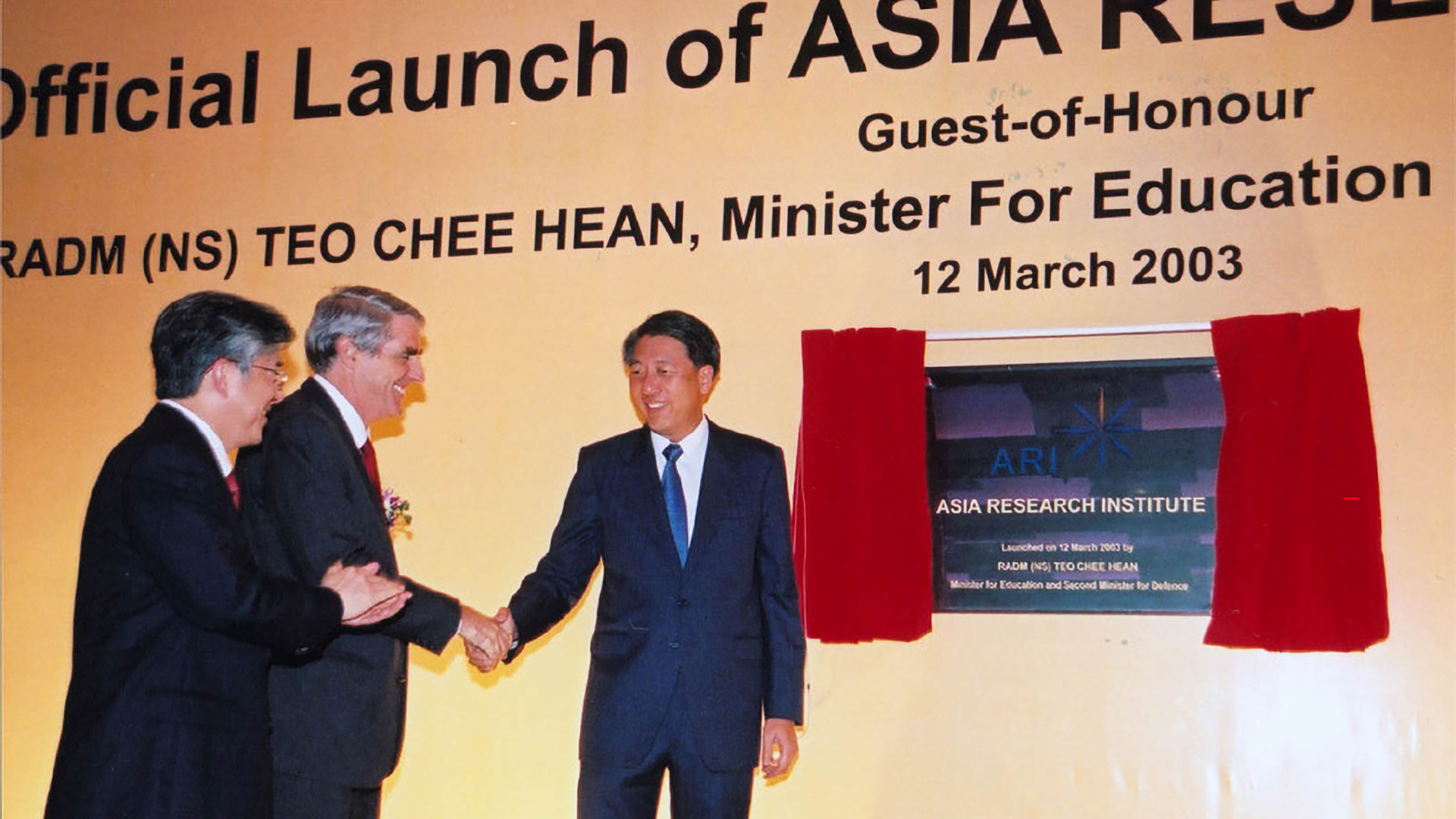
Set up in 2001, ARI was founded to bring scholars and researchers from around the world to Singapore to study the Asian region.
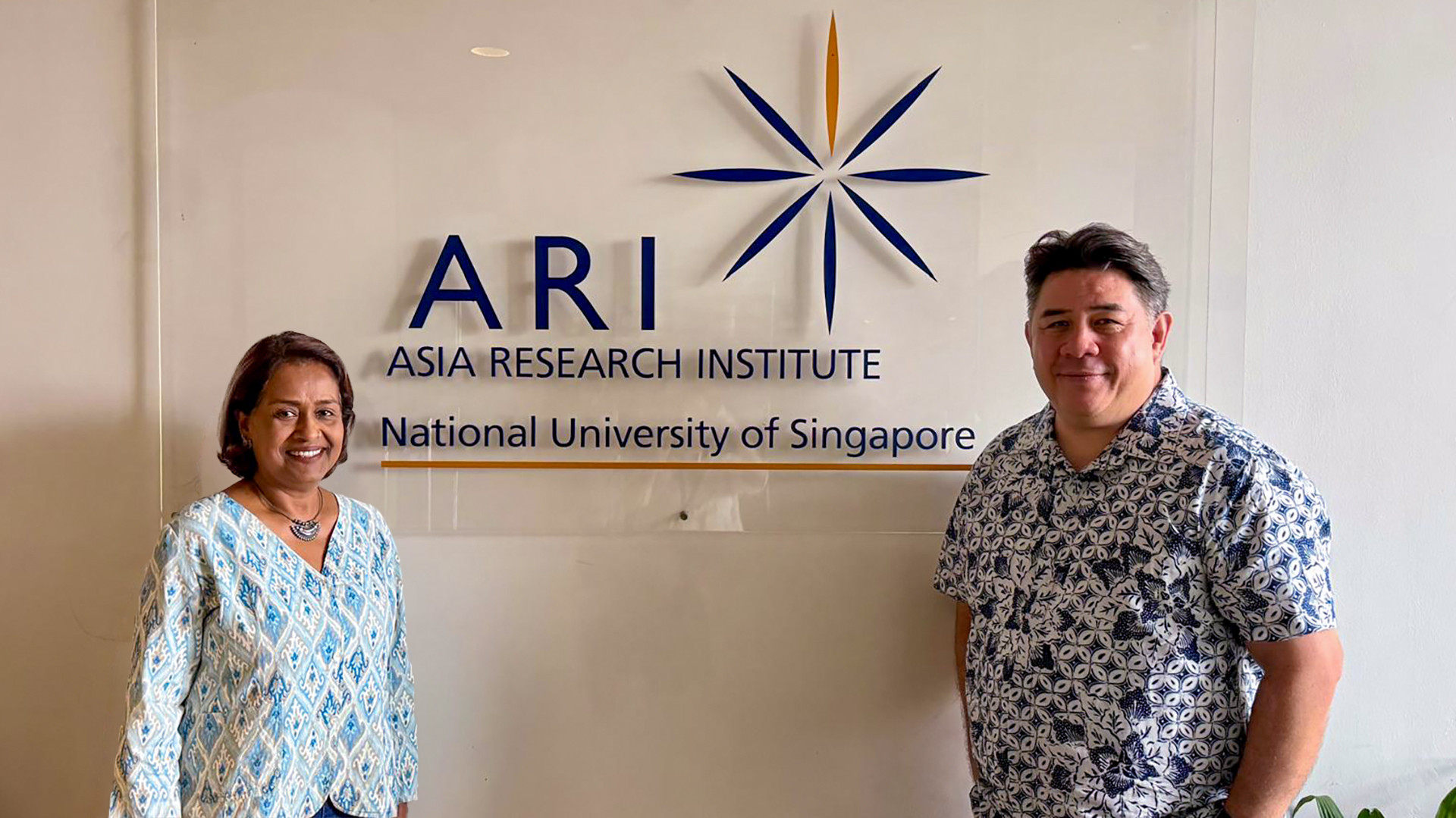
“ARI was one of the first institutions within the University to have a very robust visiting academic scholars’ programme, established since our founding in 2001,” said Associate Professor Maitrii Aung-Thwin, Deputy Director of ARI. “It was a testing ground for the type of international interaction that other units of the University would start to develop as well.”
Over the years, ARI has expanded beyond its strong base of faculty comprising primarily experts from the Faculty of Arts and Social Sciences to bring together researchers from across NUS, including from fields like law and architecture.
Its network also now extends beyond NUS, connecting researchers from Singapore, Asia and around the world. “By opening our doors to international scholars, we are strengthening the broader research ecosystem of Southeast Asia,” said Professor Vineeta Sinha, Director of ARI.
More than a revolving door for researchers
A longstanding practice of joint appointments between NUS faculties and ARI has provided stability for the Institute. “By nature, people come and people go at ARI. But we’ve also built a critical mass of faculty members from NUS who have a presence at ARI and are connected to it,” said Prof Sinha.
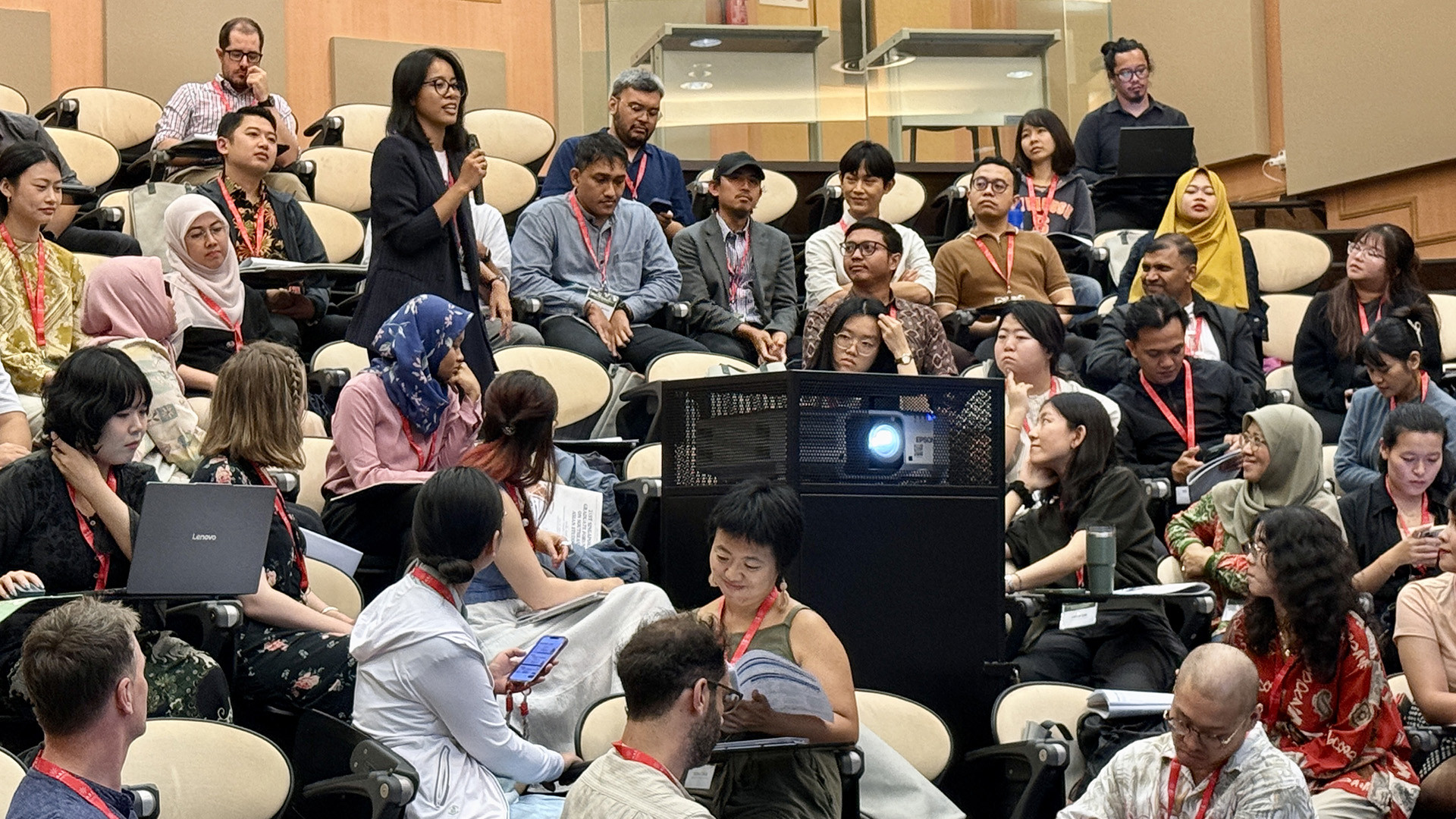
These established scholars mentor the next generation through initiatives such as the Singapore Graduate Forum, where graduate students and recent PhD recipients spend a month acquiring knowledge and skills before presenting their research at a two-week forum.
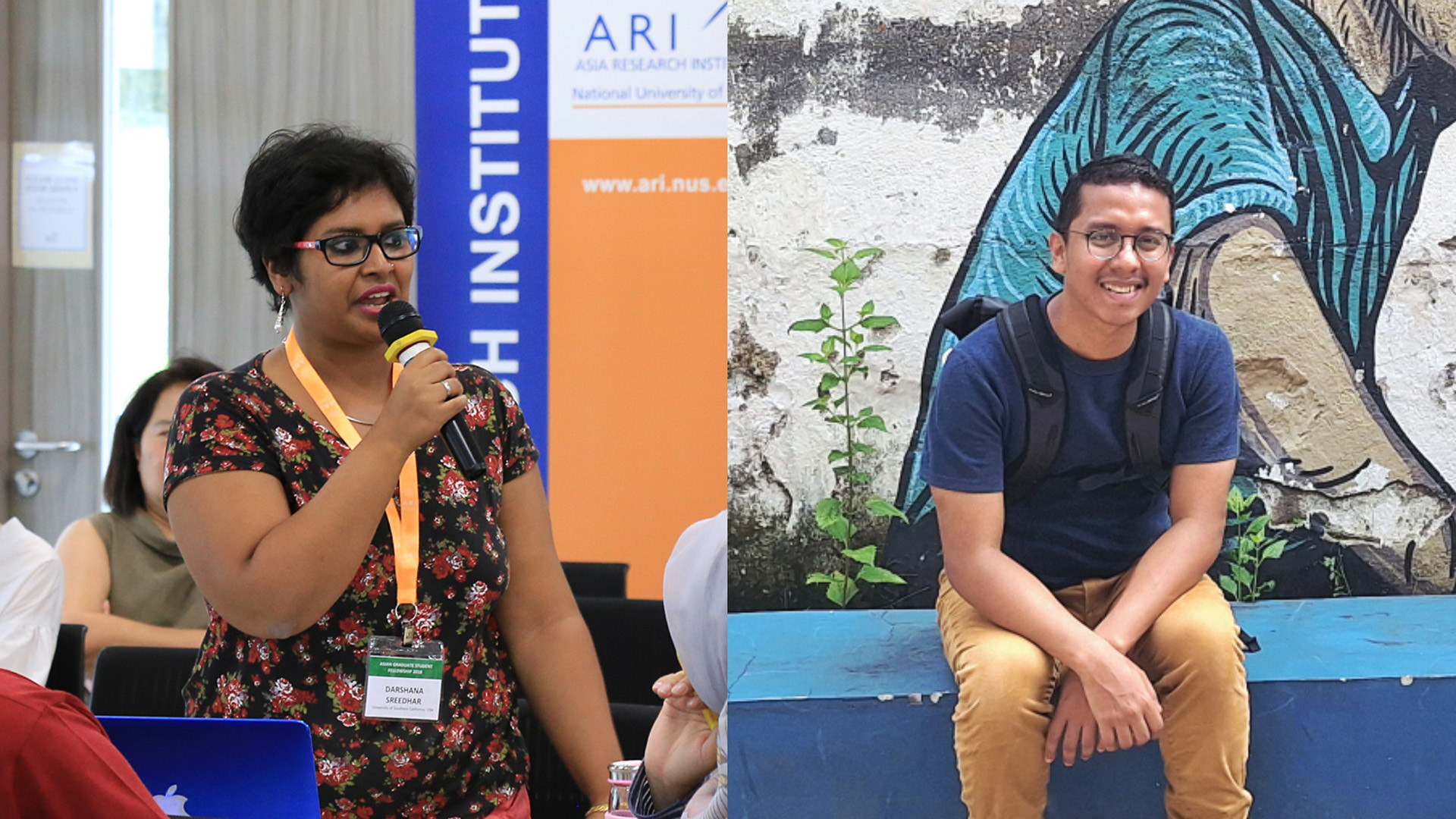
Many participants have gone on to build successful careers. One of them is Dr Darshana Sreedhar Mini, who attended and presented at the Forum in 2018 while she was a PhD student at the University of Southern California. Today, she is a tenured associate professor at the University of Wisconsin-Madison and has since returned to ARI while she writes her next book.
Another alumnus, Dr Biao Xiang, joined ARI as a postdoctoral fellow before teaching at the University of Oxford, and later becoming Director of the Max Planck Institute for Social Anthropology in Germany – one of the world’s leading centres for the discipline. “He’s taken the ARI model, the ARI influence, and gone off to build it in his own institute,” said Assoc Prof Aung-Thwin.
ARI is now extending its support to post-doctoral scholars by equipping them with the professional skills they need when they enter their respective fields, whether as researchers or in non-academic careers in the public or private sectors.
One initiative is the newly launched ARI-Luce Collaboratory, funded by the New York-based Henry Luce Foundation. Piloted this year as a two-week programme, it combines skills training, a writing residency and networking – allowing early-career scholars from North America and Asia to learn from and network with senior researchers. “After one gets one’s PhD, there’s still a lot of room to grow, and what a better place to grow than at ARI with a fantastic community of scholars,” Assoc Prof Aung-Thwin added.
Creating real-world relevance and impact
With an eye to delivering tangible impact and studying topics with real-world relevance – such as Asian urbanism, religion and food politics – ARI recognises that academic domains should not work in silos.
To facilitate interdisciplinary collaboration, ARI structures itself around clusters, bringing experts from different departments together around a common theme. “By combining different lenses and methods from across disciplines and faculties, I think ARI is able to holistically and comprehensively address some of the most compelling crises that we face,” said Prof Sinha.
The Transnational Relations, Ageing and Care Ethics (TRACE) project, for instance, brought together geographers, sociologists and anthropologists to study the challenges of ageing populations. The researchers have also engaged policymakers in Singapore to share their research insights. “It actually produced knowledge that can shape how we develop meaningful, impactful and effective practices of elder care,” said Assoc Prof Aung-Thwin.
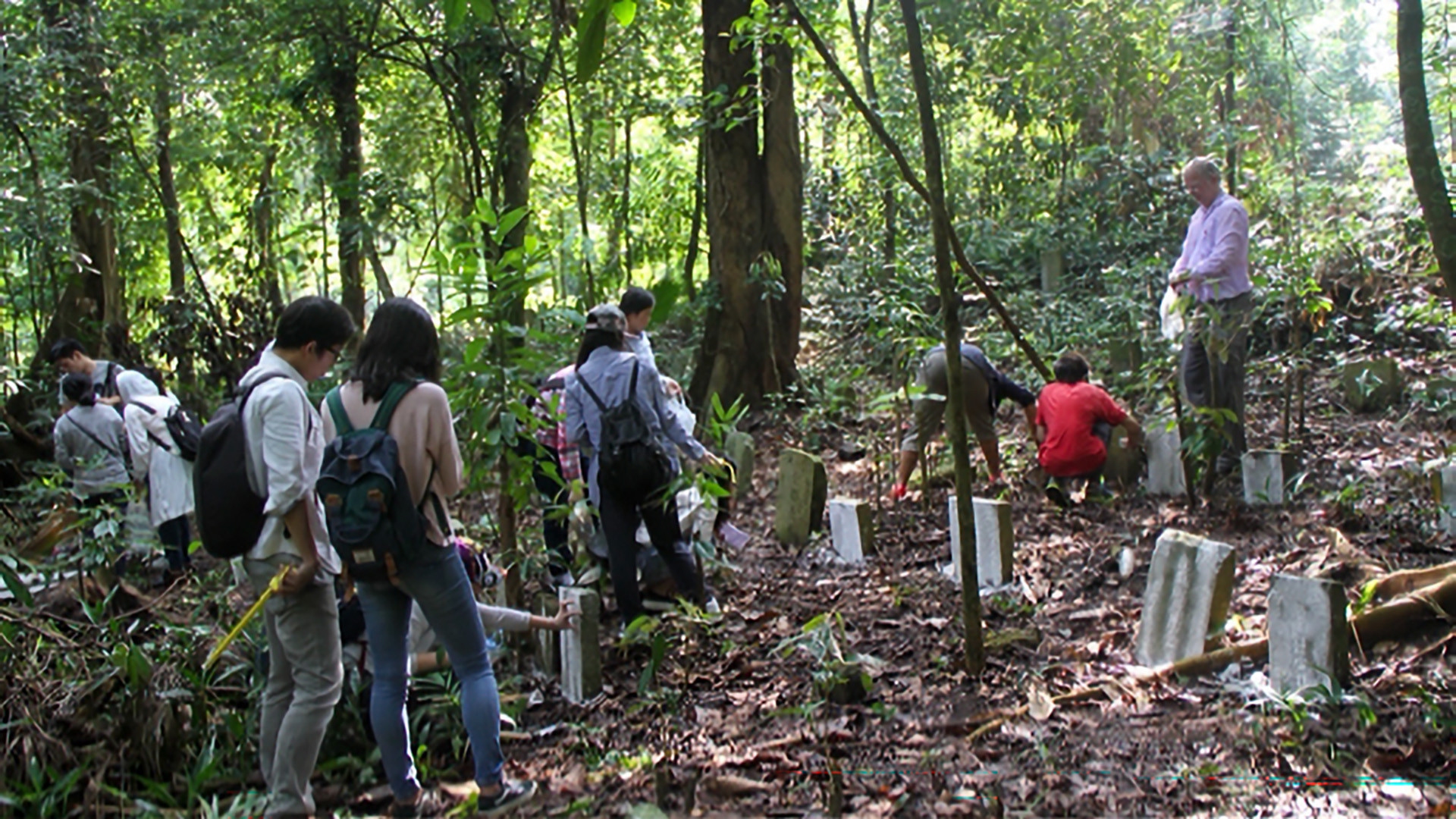
The reach of ARI’s research extends beyond the academic field to across the region and closer to home. The Climate Governance of Nature-Based Carbon Sinks (CGSEA) project in the Science, Technology and Society cluster, running since 2022, studies how mangroves and peatlands across Indonesia and Malaysia are managed amid climate change – work that has direct relevance to environmental planning across Southeast Asia’s coastlines. Closer to home, ARI helped digitise more than 72,000 burial records at Bukit Brown Cemetery between 2017 and 2018, creating what Prof Sinha calls “a kind of genealogy for Singapore”.
ARI’s research structure has evolved over time. Beyond its six clusters, it now runs four strategic research programmes – the Muhammad Alagil Distinguished Professorship in Arabia Asia Studies, the Asian Peace Programme, the DIJ-ARI Infrastructures Research Partnership and the Nalanda Professorship in India-China Studies – expanding into new thematic and regional territory, with the work guided by a shift toward “decolonising knowledge production” that moves beyond research on Asia toward research grounded in Asian perspectives, noted Prof Sinha.
One example is the Arabia Asia Archives, launched in August to digitise rare and indigenous-language texts long excluded from colonial archives, connecting communities from Indonesia to Yemen.
Breaking borders around research
For Prof Sinha, more than half her time since taking on the directorship of ARI in January has been spent building international partnerships to strengthen ARI’s role as an incubator and accelerator for research – one that external bodies increasingly approach to seek new areas for research collaborations.
A recent success is a memorandum of understanding (MOU) inked with Hyundai Motor Chung Mong-Koo Foundation, making ARI part of a consortium of universities and research institutions in Asia, including Korea University’s own Asiatic Research Institute, to focus on developing talent, internships, and conferences to build Korea-ASEAN relations. “These partnerships are valuable because they allow us to scale up the research,” she said.
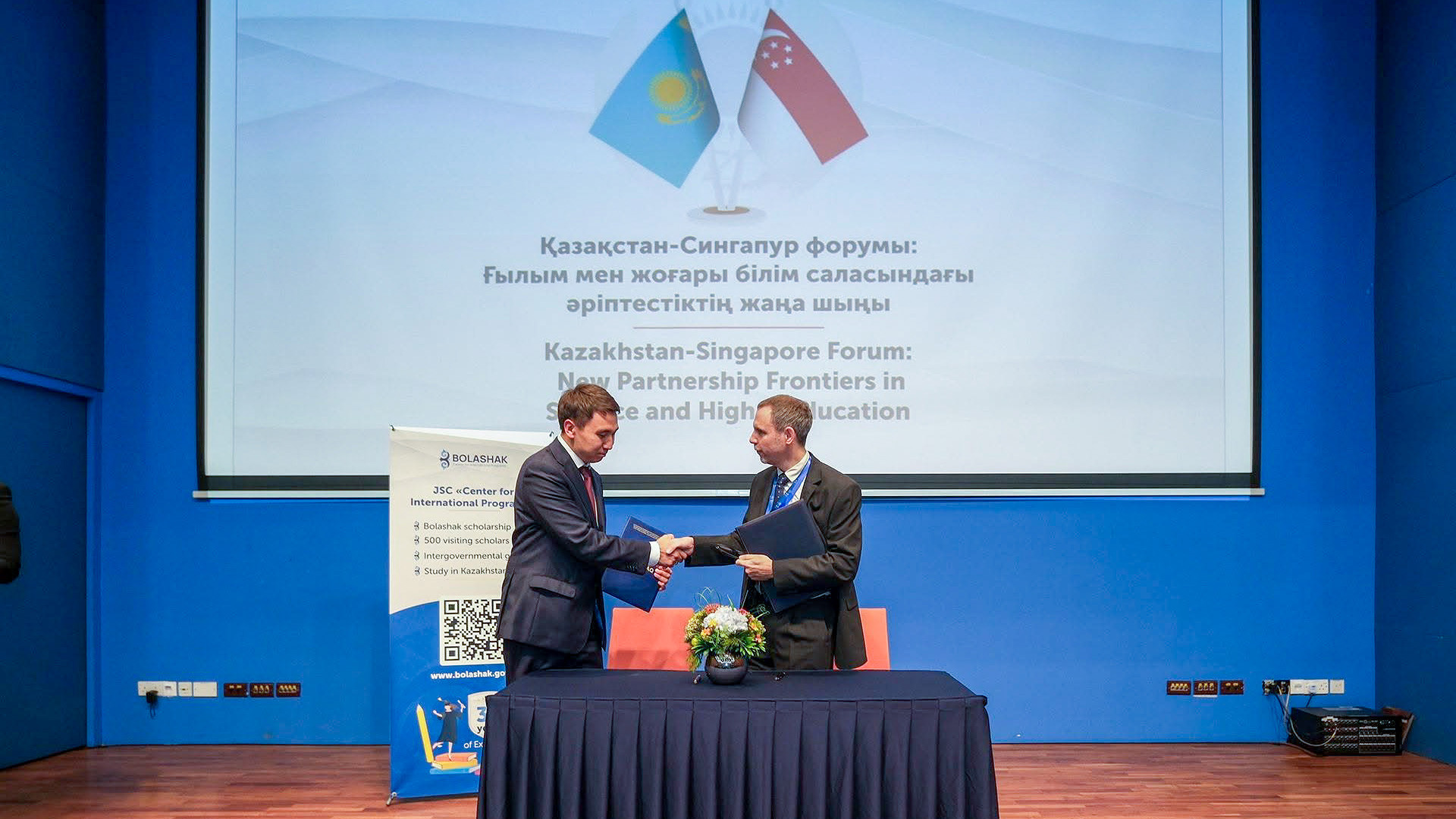
As ARI celebrates its 25th anniversary, Assoc Prof Aung-Thwin emphasises the need to deepen integration with ASEAN and Central Asia, continue innovating its research on how societies cope with a constantly evolving world, and make sense of diverse social infrastructures in Asian societies.
None of these, the pair agrees, would have been possible without the people behind the scenes. “These people are the ones who make ARI work,” noted Prof Sinha of ARI’s administrative staff, who she says have worked with passion and professionalism since ARI’s earliest days. Assoc Prof Aung-Thwin agreed. “Some have been here since the beginning, and they are the tissue that connects the different generations of ARI scholars.”
Twenty-five years on, it is that same spirit of connection between people, disciplines and countries that ARI hopes to carry into its future.
ARI in numbers
|