Beyond the safari: CAPT students uncover lessons in conservation and community in Botswana
From the wetlands of the Okavango Delta to conversations with community groups and conservation practitioners, 24 NUS students learnt that protecting nature is as much about the people who live alongside it as it is about wildlife and ecosystems.
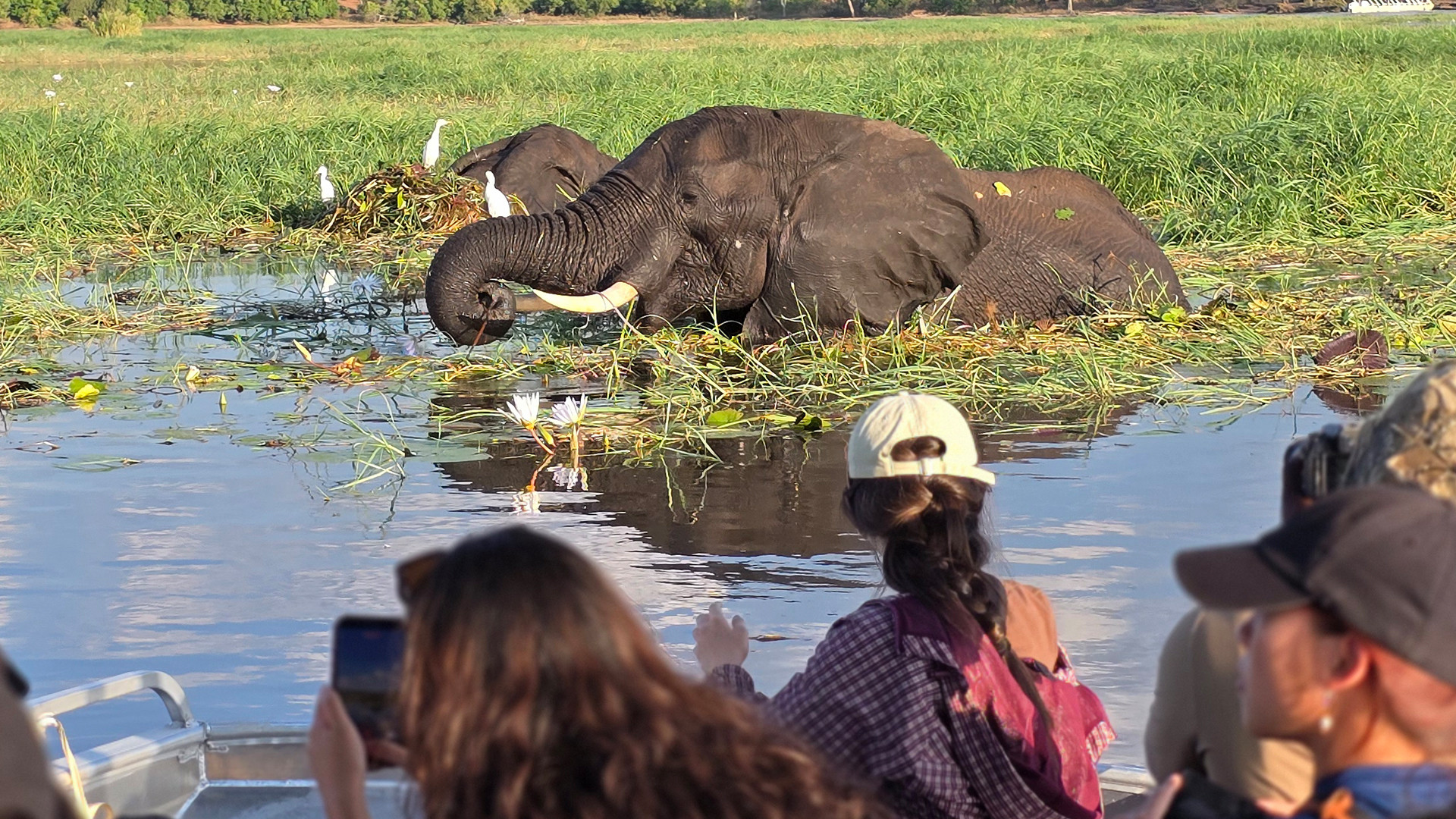
Botswana is best known for its incredible wildlife, but the people who share the same landscape are often able to offer some of the most memorable lessons about conservation.
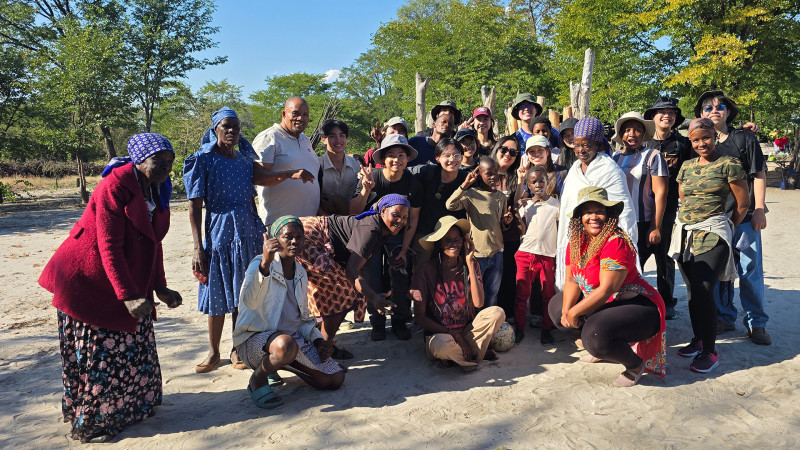
Over two weeks in the towns of Maun and Kasane, 24 students from NUS College of Alice & Peter Tan (CAPT), affectionately known as CAPTains, heard from community leaders, researchers, educators, local organisations and conservation practitioners about the choices and trade-offs involved in protecting the environment while supporting livelihoods and communities. The journey was part of the NUS Global Relations Office’s Study Trips for Engagement and EnRichment (STEER) programme, which gives students first-hand exposure to the diverse sociocultural environments of emerging regions.
For many, the experience challenged assumptions about what conservation looks like on the ground — and revealed how questions of wildlife, livelihoods, tourism and local knowledge are closely intertwined.
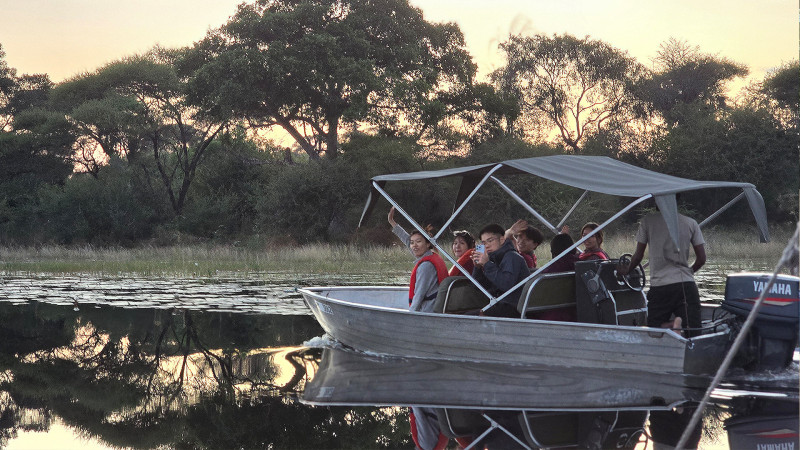
The many sides of the Okavango Delta
These questions came into sharp focus at the Okavango Delta, a UNESCO World Heritage Site and one of the world’s largest inland delta systems.
The Delta offered students a window into the different ways in which the same landscape can be understood. It is an important ecosystem rich in biodiversity, a source of livelihood and tourism, and a place with deep cultural significance for communities who have lived in and around it for generations.
For Year 2 Industrial Systems Engineering and Management student Jayven Koh, the experience changed how he thought about the relationship between conservation and communities.
"What struck me was that the Delta isn't just a wildlife area; it's a vital water source that entire communities depend on. I also realised how important it is to distinguish between local and indigenous communities, because they have different relationships with the land,” he said.
“Without recognising those differences, conservation efforts risk overlooking the knowledge, histories, and needs of the people they aim to support."
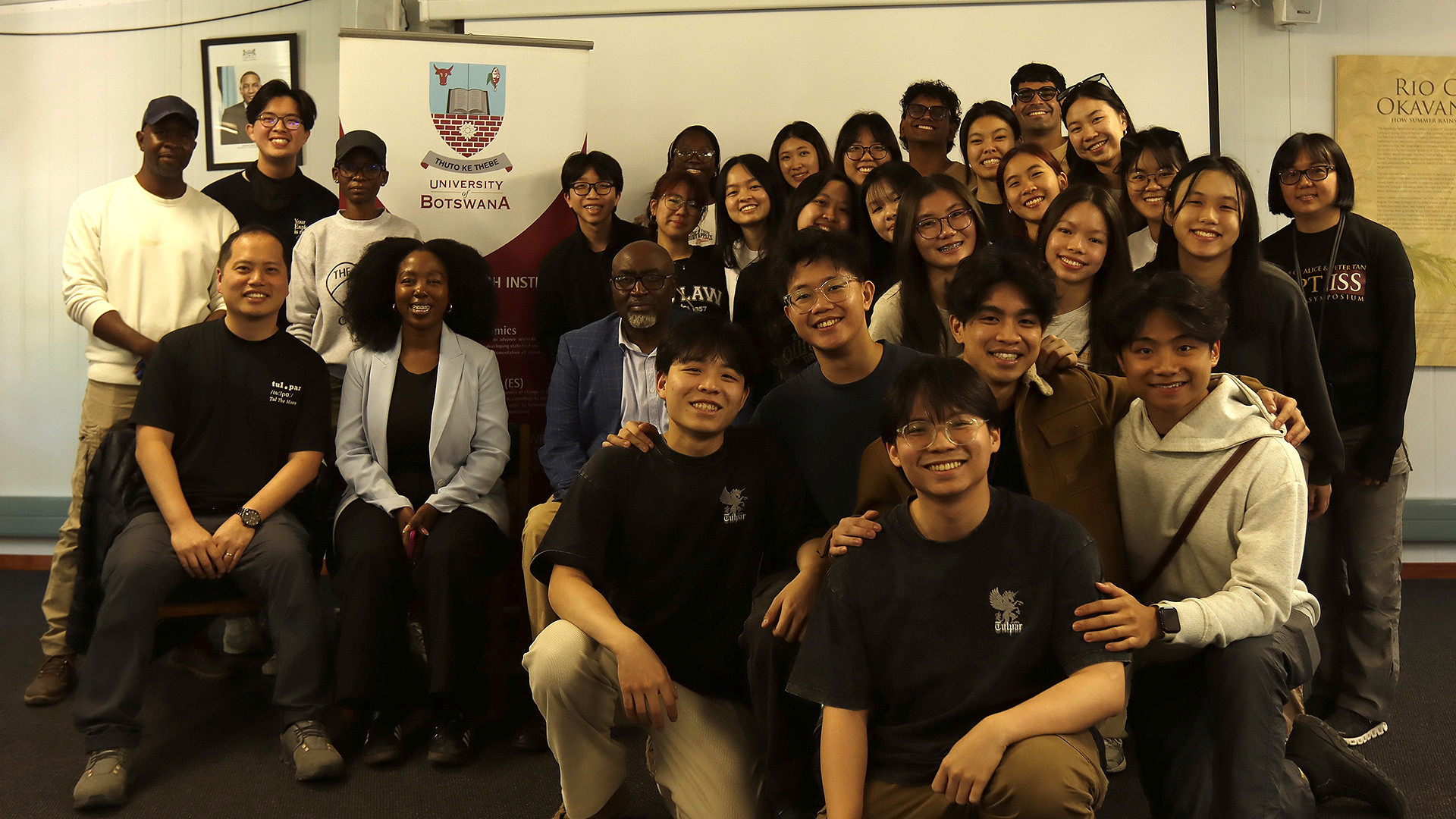
At the Okavango Research Institute, the students learnt how researchers study the Delta’s ecology, water systems and conservation challenges. Conversations with local guides and educators added another dimension: environmental knowledge can also be built through generations of lived experience.
Safari guides, herders and community members, for example, may draw on close observation of seasonal flood patterns, animal behaviour and wildlife movement in their everyday lives.
Encountering these different perspectives underscored that understanding a landscape can require more than one way of seeing it — and that locally grounded knowledge can complement scientific research in shaping approaches to conservation.
Conservation starts with community
Another important lesson emerged from encounters with community organisations: conservation and sustainable development can also depend on whether local people have opportunities to participate and benefit.
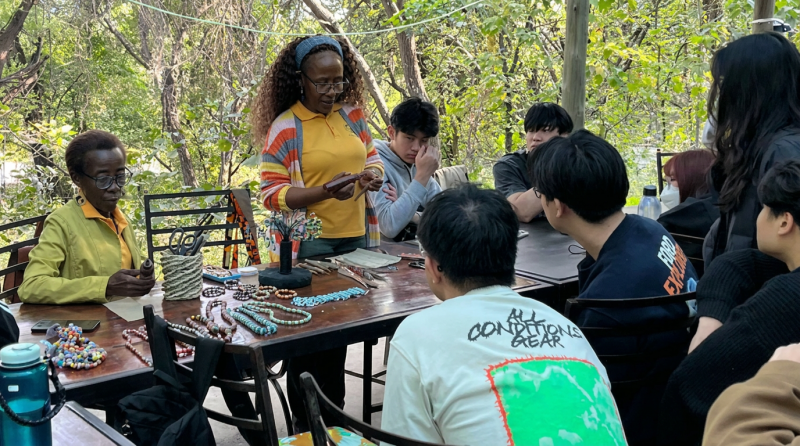
At social enterprise Thari-E-Ntsho Storytellers, the students saw how storytelling, upcycling and cultural tourism could help preserve traditional knowledge while creating income opportunities for women, young people and informal workers.
They also encountered initiatives such as Green Horizons Network, which seeks to make environmental education more accessible and give young people opportunities to engage with conservation.
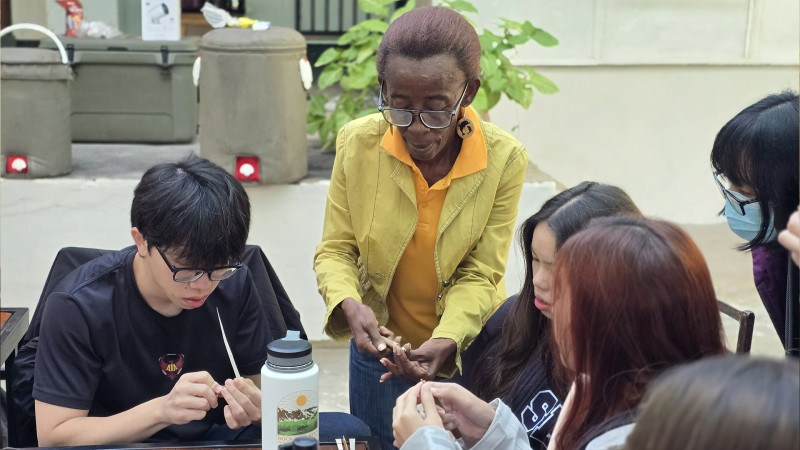
Its upcycling project, which taught women to make affordable bead-making tools and work with readily available scrap materials rather than expensive ready-made supplies, left a lasting impression on Year 1 Psychology student Ravshaan Singh.
“What stayed with me was that in Botswana, community-based work wasn’t just about generating income, it was about making participation possible. This really reflected how inclusion was intentionally built into the project,” he said.
Across their visits, the students saw a recurring emphasis on keeping initiatives accessible, locally appropriate and rooted in the communities they served.
They also learnt about the challenges such organisations face in sustaining their work over the longer term, particularly when programmes depend on donor funding. Some are therefore exploring hybrid models of combining tourism, education and community enterprises to broaden their sources of income and strengthen local ownership.
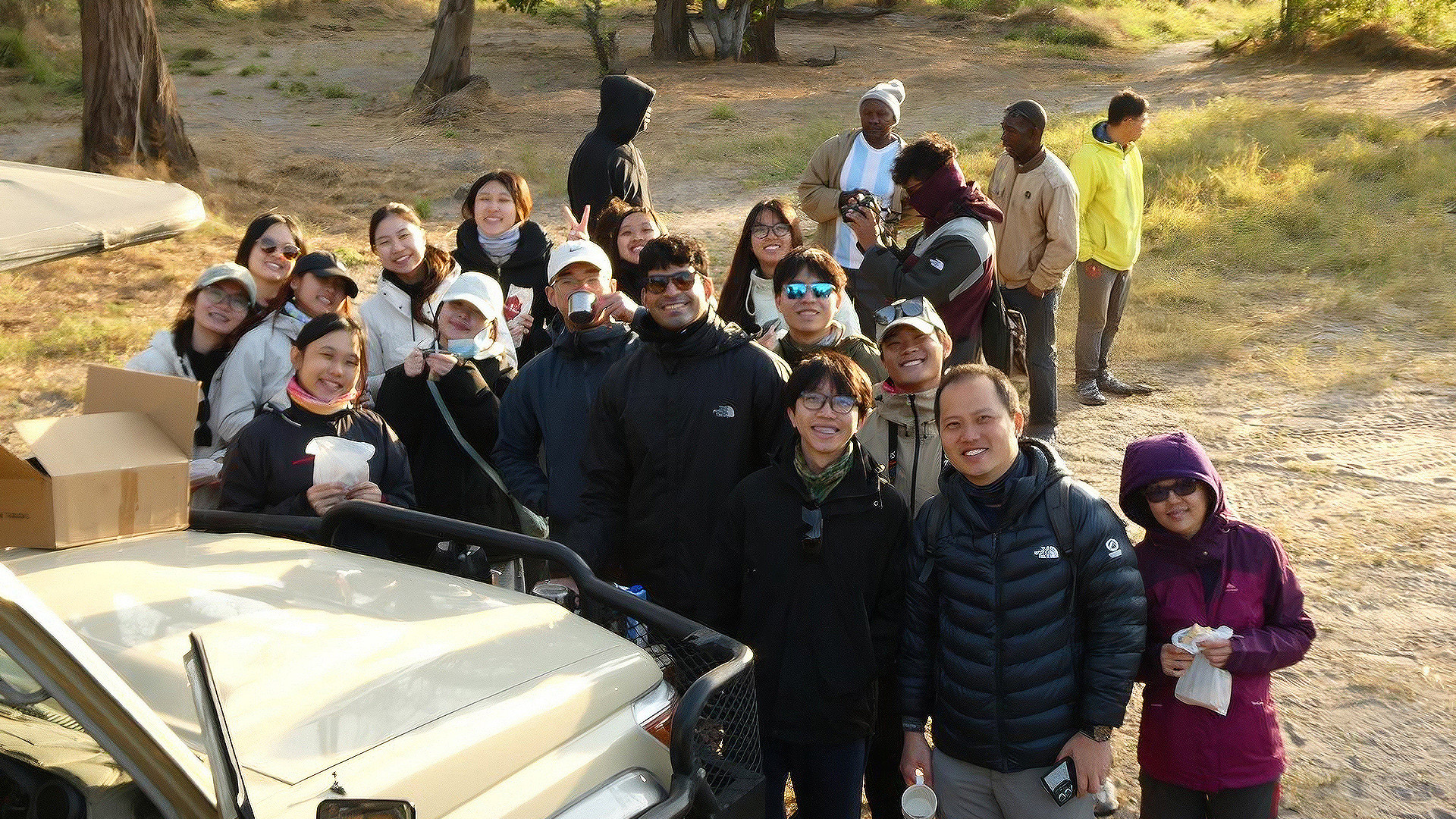
Living alongside wildlife
Perhaps one of the most immediate takeaways from the Delta experience was the everyday negotiation between human and wildlife spaces.
For instance, the students were prompted to think differently about the commonly used term “human-wildlife conflict”.
“Calling it ‘conflict’ puts blame on the animals,” said a trainer from the Botswana Wildlife Training Institute.
Rather than seeing people and animals simply as opposing forces, students were encouraged to consider their coexistence and the overlapping needs and pressures that arise when both depend on the same land and resources. The strategies used to manage these interactions vary widely, from fencing and chilli-based deterrents to reduce elephant crop damage, to compensation schemes and regulated hunting quotas.
One major approach is community-based natural resource management, which seeks to give communities a greater stake in managing and benefitting from the natural resources around them.
This challenged some of the students’ assumption that communities living close to Botswana’s wildlife would naturally want to protect it. What they encountered was far more complex — living alongside wildlife can bring costs as well as benefits, particularly when animals threaten crops, livestock or livelihoods. Conservation therefore depends not simply on an appreciation for wildlife, but also on finding ways for communities and conservation goals to coexist.
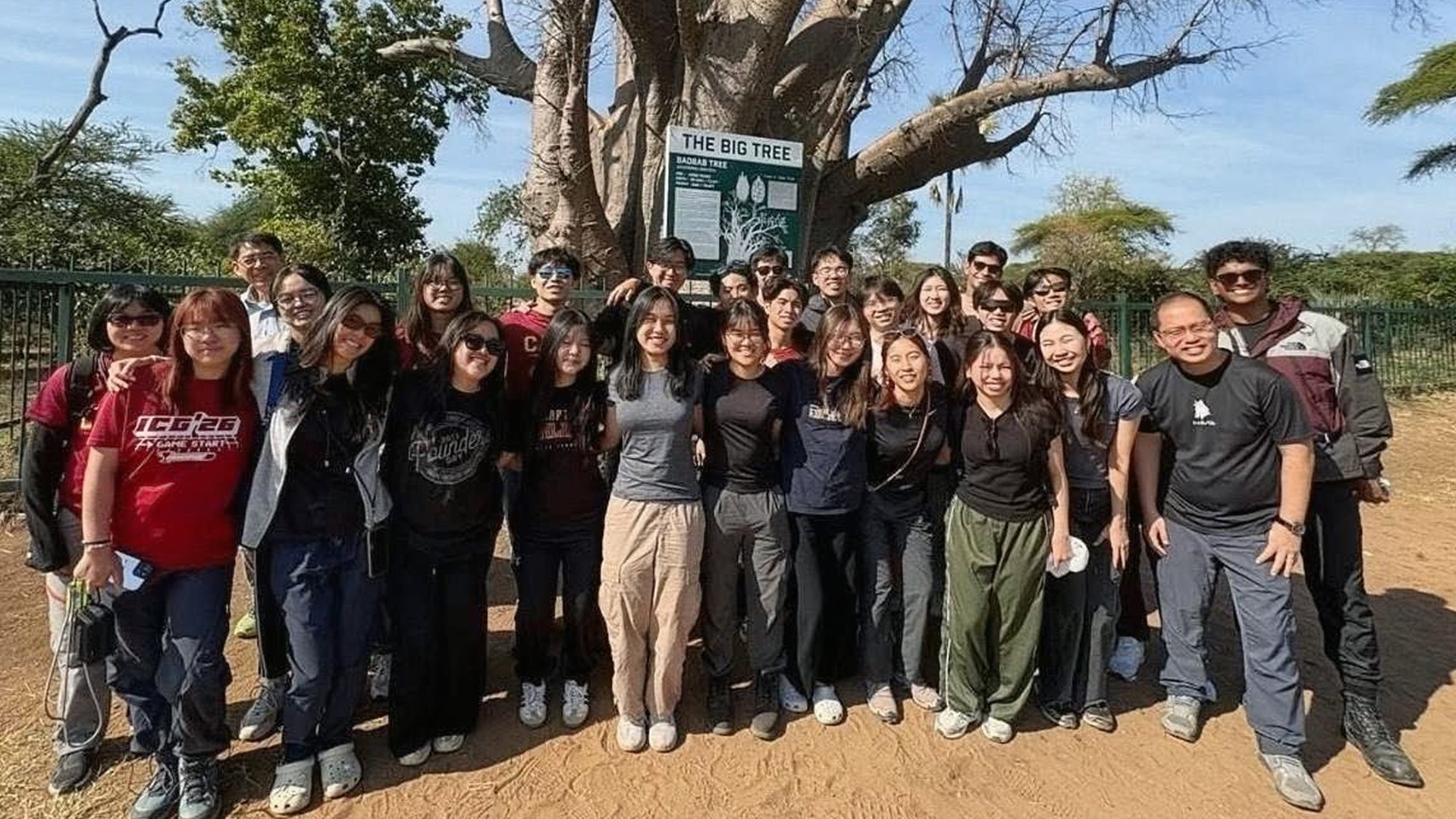
Bringing the lessons home
By the end of the journey, Botswana had given the students more questions to consider than simple answers.
For one, the students’ experiences abroad prompted them to look closer to home. While Singapore and Botswana face very different environmental circumstances, the underlying question remained similar: how can societies protect nature while taking into account the people and communities that live alongside it?
Significantly, such exchanges were made possible by a partnership that CAPT has built and sustained in Botswana for close to a decade.
Dr Toh Tai Chong, Director of Residential Life at CAPT and co-lead of its STEER programme, said: “In 2027, CAPT will mark 10 years of partnership with communities and organisations in Botswana. Their generous support over the years has enabled our students to see issues from different perspectives, deepen their understanding of Botswana, and forge lasting friendships and connections across our communities.”
But perhaps the most enduring lesson from Botswana was this: learning to see conservation not as an isolated environmental issue, but something shaped by people’s livelihoods, cultures, economic realities and relationships with the land.