NUS Geography offers a front-row seat to a world reshaped by climate change, AI and rapid urban transformation
Ranked 1st in the 2026 ShanghaiRanking Global Ranking of Academic Subjects and 4th in the 2026 QS World University Rankings by Subject, NUS Geography is expanding its teaching and research to address emerging global challenges.
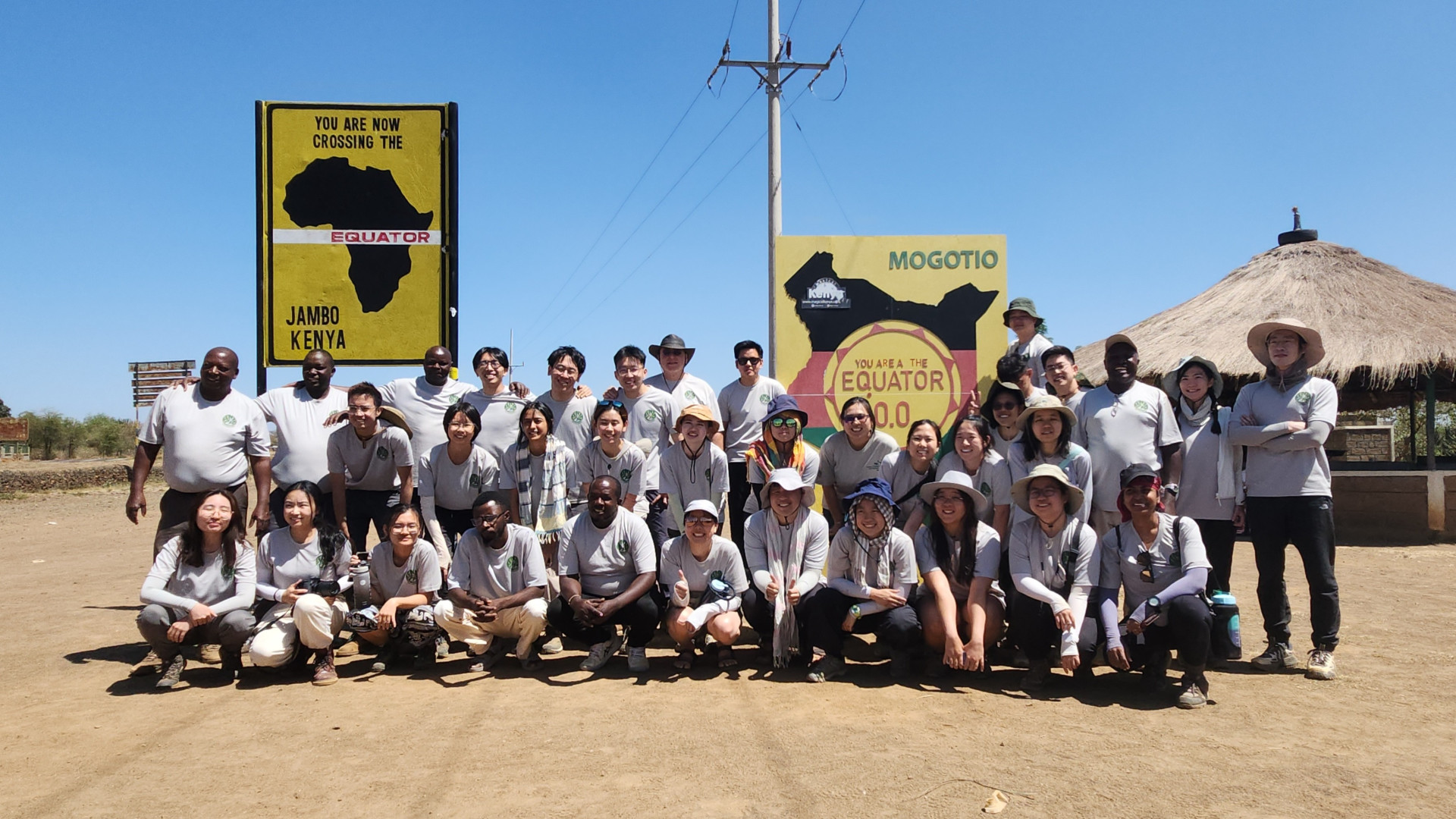
As the challenges of climate change, urbanisation, migration, health and the rise of new technologies become increasingly complex, the study of geography is taking on renewed relevance — helping us understand how our world is changing and how we can respond.
Few are better placed to understand these changes than the Department of Geography at the NUS Faculty of Arts and Social Sciences (NUS Geography), where researchers and students have a front-row seat to the forces reshaping our world.
Research that informs policy in Singapore and shapes debates worldwide has put NUS Geography among the global leaders in the discipline: first in the 2026 ShanghaiRanking’s Global Ranking of Academic Subjects, for the second consecutive year, and fourth in the 2026 QS World University Rankings by Subject.
The results come as the Department continues to evolve both what and how it teaches and the research questions it tackles.
Over the years, the Department has refreshed its curriculum, embraced new technologies and forged connections with other disciplines, while its researchers continue to expand the boundaries of geographic inquiry to address emerging challenges.
“Modern geography sits at the intersection of people, places and the environment, helping us understand not only how the world is changing, but also how these changes affect the way we live, work and shape our communities,” said Professor David Taylor, Head of the Department of Geography.
“The result is a geography education and research that is no longer confined to understanding the world as it is but also helps students explore how it might be shaped in future and how we might best respond in anticipation.
Changing geographies for a changing world
Today, studying geography broadens not just students’ perspectives on global issues, but also their career paths.
Alongside a Geography major, students will have the option to pursue a new Second Major in Environmental Science for Sustainability from January 2027, complementing their geographical understanding of people, places and environments with scientific perspectives on environmental systems, sustainability and change.
Technology is also changing how geography is studied. New interdisciplinary courses launched under the NUS College of Humanities and Sciences cover topics such as clean and just energy (which considers both the environmental and social dimensions of a low-carbon energy transition), earth studies, and the motivations behind environmental decisions.
The Geospatial Intelligence Cross-Disciplinary Programme (GIX), introduced in 2026, is the first bachelor’s degree of its kind in Asia. Offered in collaboration with the School of Computing, the programme allows a pioneer batch of 28 students to explore new frontiers in the field, including geospatial data, computing and artificial intelligence (GeoAI). This enables them to better understand and respond to issues ranging from climate change and smart city design to urban planning and business planning.
At the same time, the Department’s graduate programmes have also expanded into areas like climate change and planetary health where geographical perspectives are increasingly important.
Building on the Master of Science (MSc) in Applied GIS launched in 2015, and the MSc in Climate Change and Sustainability in 2024, the upcoming Master of Social Sciences in Planetary Health and Wellbeing postgraduate programme will explore the connections between human health, wellbeing and the environments in which people live. It is slated for introduction in 2027.
All the Department’s taught Master’s graduate programmes are stackable, offering flexibility to students to take a graduate certificate before building towards a graduate diploma and full Master’s degree incrementally.
Breaking research frontiers
Outside the classroom, research at NUS Geography is tackling complex challenges that have wide-ranging implications for Singapore, from climate issues such as urban heat, rising sea levels and carbon governance; to ageing and migration; and even how changes in finance, money and markets have uneven impacts within communities and across space.
Professor Elaine Ho, for example, has led numerous research projects on ageing and social networks in Singapore. They have contributed significantly to policymaking and infrastructure planning, ensuring that older Singaporeans have opportunities to remain physically mobile and socially connected as the country moves into a super-aged society.
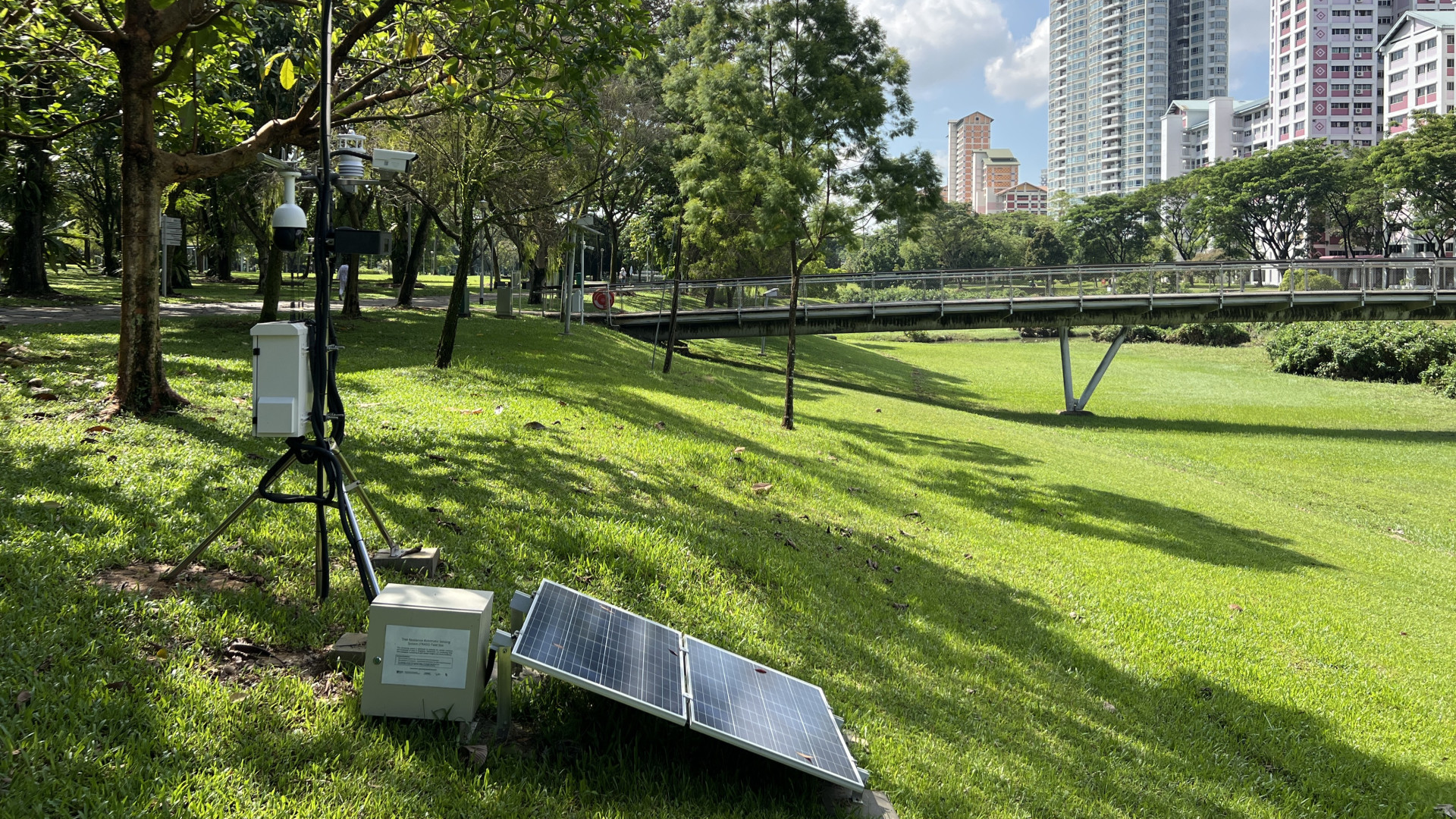
Elsewhere, Dr Remi Luo is leading a project funded by the National Parks Board to monitor Singapore’s green spaces over the long term to generate insights that inform climate-resilient urban planning.
Meanwhile, Professor Matthias Roth, a prominent researcher in urban climatology, is collaborating with the National Environment Agency on research to improve forecasting of weather and climate conditions so that tropical cities such as Singapore can better prepare for extreme weather, reduce risks and strengthen climate resilience.
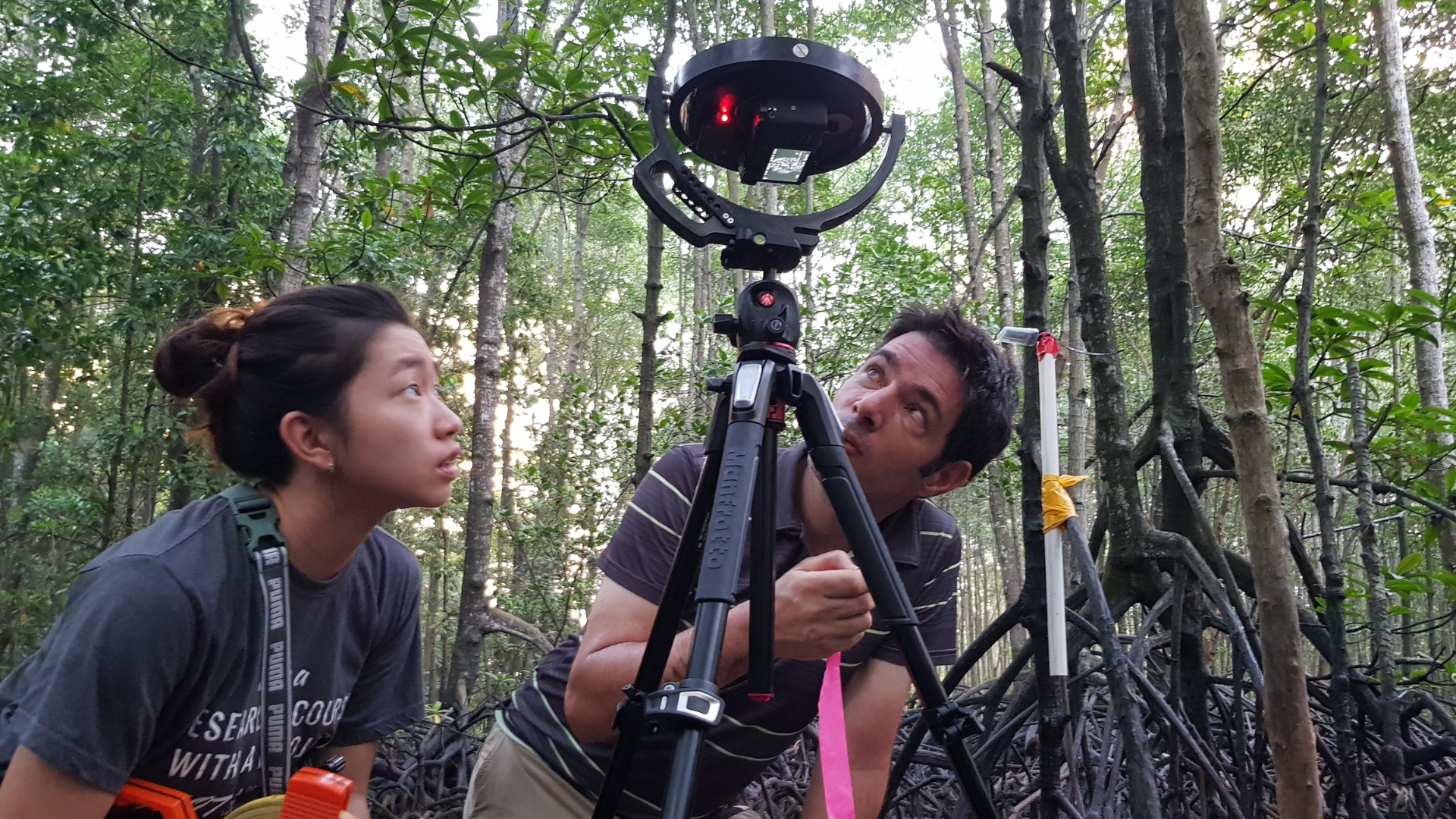
As new frontiers emerge, Geography will continue to ask new questions about the places we inhabit, even as they extend into areas such as outer space and virtual worlds.
For the next generation of geographers — researchers, faculty and students alike — this means engaging with a discipline that is constantly uncovering new questions, new connections and new possibilities, and in doing so matching the skillset of its graduates with the ever-changing requirements of society.